






The Quick Answer Before We Get Into the Details
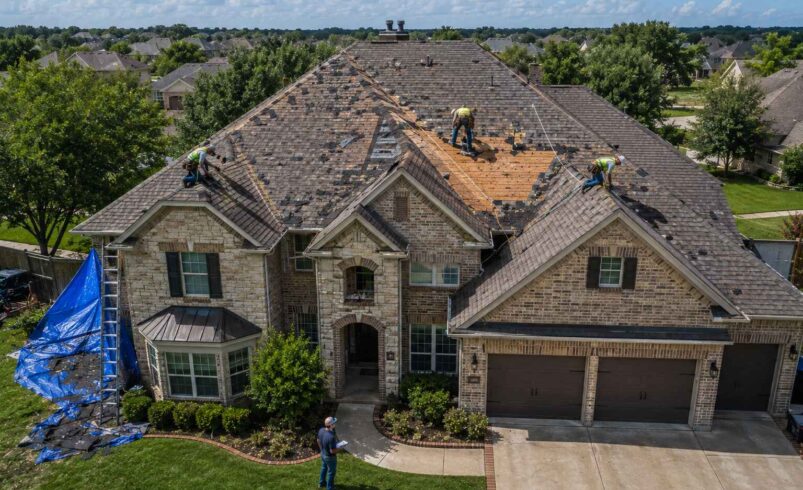
A free roof inspection typically involves a trained roofer walking your entire roof surface, checking flashing, vents, and gutters up close, then looking at your attic from underneath for hidden moisture or damage. The whole process usually takes 30 to 60 minutes, and you should walk away with a clear, honest answer, ideally in writing with photos, on whether your roof needs repair, replacement, or nothing at all right now.
Why Homeowners Hesitate to Book One
Let’s be honest about something. “Free” makes a lot of people nervous, especially when it comes to home improvement services. The worry is usually the same, that a free inspection is really just a foot in the door for a hard sell toward a roof you don’t actually need yet. That skepticism is fair, and honestly, it’s earned, since plenty of companies do operate that way. But a properly run inspection is genuinely useful on its own, whether or not you end up needing any work done.
Step by Step: What a Free Roof Inspection Actually Involves
The Initial Walkaround
Most inspections start at ground level, with the roofer walking the perimeter of your home and looking for anything obviously off, sagging areas, missing shingles, or damaged gutters. This first pass sets the tone for what to focus on once they’re actually up top.
Getting Up on the Roof Itself
This is the part a lot of homeowners never actually see, since it happens above eye level. A thorough inspector walks every accessible slope of the roof, checking for lifted, cracked, or curling shingles, examining flashing around chimneys and vents, and inspecting pipe boots closely, since those are one of the most common places small leaks originate. On steep or particularly high roofs, a drone sometimes gets used instead of walking the surface directly, especially where safety is a concern.
The Attic and Interior Check
The roof’s surface only tells half the story. A proper residential roof inspection includes checking the attic for water stains, damp insulation, or any daylight coming through where it shouldn’t be. Leaks often show up in the attic well before they ever become a visible stain on a ceiling inside the home, which makes this step just as important as the exterior walkaround.
What a Residential Roof Inspection Report Should Include
Photos of Any Damage Found
A trustworthy inspection comes with actual photo documentation, not just a verbal description. Photos matter both for your own peace of mind and as a starting point if you ever need to file an insurance claim related to storm damage.
A Clear Repair vs. Replacement Recommendation
You should walk away knowing specifically what was found, and what it actually means. That’s either “everything looks fine, check back in six months,” a targeted repair recommendation, or, in more serious cases, an honest conversation about replacement, along with the reasoning behind whichever recommendation is given.
A Written Summary, Not Just a Verbal Pitch
A verbal rundown on your driveway is easy to forget or misremember later. A written summary, even a simple one, gives you something concrete to reference, compare against a second opinion if you want one, or hang onto for your own records.
What a Free Roof Inspection Is Not
It’s Not a Sales Trap by Default
A legitimate inspection shouldn’t pressure you into signing anything on the spot. If a company’s entire pitch depends on you deciding immediately, that’s a signal worth paying attention to, since a roof that genuinely needs work today will still need it tomorrow after you’ve had time to think it over.
It’s Not the Same as an Insurance Adjuster’s Visit
An inspection from your roofer and a visit from your insurance company’s adjuster serve different purposes. Your roofer is assessing the actual condition and giving you an honest recommendation, while the adjuster is determining what your policy will cover. Having your own documented inspection beforehand often strengthens your position if the two assessments end up differing.
How Long a Typical Inspection Takes
Most straightforward residential inspections take somewhere between 30 and 60 minutes, though larger homes, steep rooflines, or a drone-assisted inspection can extend that timeline somewhat. It’s a relatively small time investment considering how much it can save you if something’s caught early.
How to Get the Most Out of Your Inspection
Ask questions while the inspector is there. What exactly did they check, what did they find, and if there’s damage, what would happen if it went unaddressed for another year? A good inspector will walk you through their findings patiently rather than rushing through a checklist. It’s also worth asking whether photos and a written report are included as standard practice, since that transparency says a lot about how the company operates overall.
Final Thoughts on Booking Your Next Inspection
A free roof inspection shouldn’t feel like a gamble or a setup for pressure tactics. Done right, it’s simply a chance to get an honest, documented read on your roof’s actual condition, with zero obligation attached to what happens next. According to the International Association of Certified Home Inspectors, a thorough inspection should always include both exterior and interior components of a structure, since limiting the review to just the roof’s surface can miss issues that only show up from inside the attic. If it’s been a while since anyone actually checked your roof, there’s very little downside to getting a real look at where things stand.
Call 346-733-8558 to schedule your free roof inspection and get a clear, written answer on exactly where your roof stands.
Frequently Asked Questions
1. Is a free roof inspection really free, or are there hidden conditions?
A legitimate inspection should have no strings attached beyond the roofer’s time. If a company requires a deposit or contract signature before the inspection even happens, that’s worth questioning.
2. Do I need to be home during a free roof inspection?
It’s not always required for the exterior walkaround, but being home allows access to the attic and lets you ask questions directly once the inspection wraps up.
3. How often should I schedule a residential roof inspection?
Twice a year is a common recommendation, generally spring and fall, plus anytime after a significant storm event regardless of the regular schedule.
4. Will a free roof inspection affect my homeowners insurance in any way?
Not directly. It’s a separate process from your insurer’s own evaluation, though documentation from your own inspection can support a claim if damage is found.
5. What should I do if two different inspections give me different recommendations?
Getting a second opinion is reasonable if recommendations conflict significantly. Compare the written reports and photos from each, and don’t hesitate to ask specific questions about anything that doesn’t add up.