



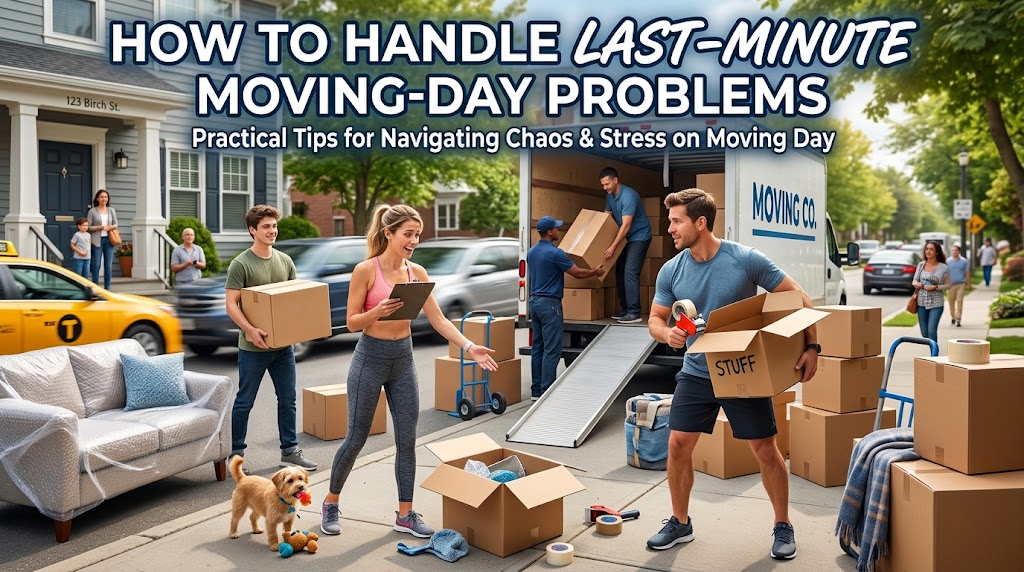

Moving day rarely goes exactly according to plan. Even when you have packed carefully, labeled every box, and prepared a detailed schedule, unexpected problems can still appear. A moving truck may arrive late, furniture may not fit through a doorway, a box of important items may disappear among dozens of others, or bad weather may slow everything down. The key is not to expect a completely problem-free day but to know how to respond when something goes wrong.
If you are working with San Jose movers and packers, having a clear plan for handling surprises can make the day much less stressful. Professional movers can help with many unexpected situations, but you still need to make quick decisions about valuables, important documents, access to the property, and your personal essentials. A calm approach can prevent a small inconvenience from turning into a major moving-day setback.
Start the Day With a Quick Check
Before the first box leaves your home, take a few minutes to inspect the situation. Check the weather, confirm that the moving truck has arrived or is on schedule, and make sure the pathways are clear.
Walk through each room and look for anything that was accidentally left behind. Check closets, cabinets, garages, storage areas, balconies, and other easily forgotten spaces. It is much easier to find a forgotten item before the truck leaves than after you arrive at your new home.
Keep your phone charged and make sure important contact numbers are easily accessible. If you are working with a moving company, keep the driver’s and moving coordinator’s information nearby.
Have a Moving-Day Essentials Bag
One of the most common last-minute problems is accidentally packing something you need immediately. Instead of searching through dozens of boxes, prepare a separate essentials bag before moving day.
Include items such as:
- Identification and important documents
- Phone chargers and power banks
- Medication and personal-care products
- Basic toiletries
- A change of clothes
- Snacks and bottled water
- Basic cleaning supplies
- Important keys
- Small tools
- Pet supplies, if applicable
- Children’s necessities, if you are moving with kids
Keep this bag with you rather than putting it inside the moving truck. The same applies to valuable jewelry, cash, important paperwork, and other irreplaceable belongings.
What to Do If the Movers Are Delayed
A delayed moving truck can quickly disrupt your entire schedule. You may have arranged elevator access, booked parking, coordinated with your landlord, or planned to arrive at the new property at a specific time.
If the movers are running late, contact the company as soon as you realize there is a problem. Ask for a realistic updated arrival time rather than simply waiting without information.
Use the extra time productively. Finish checking rooms, secure loose items, protect floors, and make sure nothing important is left outside. If you have appointments or building restrictions at the destination, notify the relevant person if the delay is likely to affect them.
Most importantly, avoid letting frustration take over. A delay is inconvenient, but staying organized gives you a better chance of recovering the schedule later in the day.
If Your Furniture Does Not Fit
Discovering that a sofa, refrigerator, bed frame, or other large item cannot pass through a doorway is a surprisingly common moving-day problem.
Before forcing anything, stop and assess the situation. Measure the doorway, hallway, staircase, and furniture. Sometimes removing a door from its hinges provides enough additional clearance. In other situations, a piece may need to be rotated at a specific angle.
Experienced movers may be able to identify a safer way to move the item. However, if the furniture genuinely cannot fit, do not force it through a narrow opening. Scratched walls, damaged furniture, or broken fixtures can turn a simple problem into an expensive repair.
If necessary, consider temporarily disassembling the furniture if its construction allows it. Take photographs before removing complicated components so you know how to put everything back together.
Dealing With Bad Weather
Rain, extreme heat, snow, strong winds, or icy conditions can make moving significantly more difficult. Weather-related problems require flexibility because safety should always come before speed.
For rainy conditions, protect floors with mats, towels, cardboard, or plastic floor coverings where appropriate. Keep boxes containing electronics, paperwork, clothing, and other moisture-sensitive items protected from exposure.
During very hot weather, keep everyone hydrated and take regular breaks. Avoid leaving heat-sensitive belongings inside a hot vehicle for extended periods.
If conditions become genuinely dangerous, communicate with the moving company about whether the schedule needs to change. Trying to complete a move during unsafe conditions can lead to injuries or property damage.
When a Box Goes Missing
Sometimes a box appears to be missing simply because it was placed in an unexpected location. Before assuming that something has been lost, check the truck carefully and review your inventory.
This is why labeling matters. Instead of writing only “Kitchen,” consider using labels such as “Kitchen – Cooking Utensils” or “Bedroom – Winter Clothes.” Numbering boxes can make the process even easier if you maintain a simple inventory.
If a box is genuinely missing, document what was inside and notify the moving company promptly. Keep receipts or photographs for valuable belongings whenever possible, especially if you are concerned about a potential claim.
What If Something Gets Damaged?
Even with careful handling, accidents can happen. If an item is damaged, avoid immediately throwing away broken pieces or packaging. Take clear photographs of the damage and preserve relevant documentation.
Check your moving agreement and understand the coverage that applies to your belongings. Different moving arrangements can have different liability terms, so knowing what you agreed to before moving day is important.
Try to handle the situation calmly. Taking photographs, recording details, and communicating clearly will generally be more useful than arguing in the middle of an already stressful move.
If You Run Out of Packing Supplies
Running out of boxes, tape, wrapping paper, or other supplies on moving day can bring the process to a frustrating stop.
First, prioritize what actually needs additional protection. Not everything requires a specialized moving box. Clean towels, blankets, clothing, and other soft materials can sometimes provide temporary padding for appropriate household items.
For urgent supplies, check nearby hardware stores, supermarkets, office-supply stores, or moving-supply retailers. If professional movers are handling the job, ask whether they carry additional packing materials.
Avoid using damaged boxes for heavy or fragile belongings. A weak box may collapse during loading and cause more problems than it solves.
When the New Home Is Not Ready
Another difficult situation occurs when you arrive at the new property and discover that it is not ready for your belongings. Perhaps cleaning has not been completed, a previous occupant has not fully moved out, or a building access issue has appeared.
Contact the appropriate landlord, property manager, seller, or building representative immediately. Find out how long the problem is expected to last and whether there is a temporary solution.
If the movers are already there, explain the situation clearly. Depending on the circumstances, you may need to delay unloading, place belongings temporarily in another approved location, or adjust the moving sequence.
Having a backup plan for short-term storage can be especially helpful for complicated moves.
Keep Important People Informed
Moving-day problems become harder when everyone has different information. If you are moving with family members, assign responsibilities so one person is not trying to manage everything.
One person can communicate with the moving company, another can supervise the old property, and someone else can handle the new home. Clear responsibilities reduce confusion.
If you are running late, experiencing a major delay, or dealing with an access problem, communicate early. People are generally more flexible when they receive timely information rather than discovering a problem at the last minute.
Stay Flexible With Your Schedule
Your original moving-day schedule is a guide, not a guarantee. If one task takes longer than expected, avoid panicking about every activity that follows.
Prioritize the most important tasks first. Getting essential belongings safely transported should take priority over unpacking decorations or organizing every room immediately.
You may also want to postpone nonessential tasks until the following day. Moving into a new home does not require everything to be perfect before you go to bed.
Keep a Small Emergency Kit Nearby
A basic emergency kit can save valuable time when something unexpected happens. Consider keeping a small container with scissors, a box cutter, tape, screwdrivers, cleaning cloths, trash bags, paper towels, markers, and basic first-aid supplies.
You do not need a huge toolkit. The goal is simply to have commonly needed items within reach instead of buried inside a packed box.
Know When to Stop and Reassess
Not every moving-day problem should be solved immediately. If you encounter a major safety concern, property damage, severe weather, blocked access, or an item that could be damaged by forcing it into place, stop and reassess.
Taking ten minutes to find a safer solution can save hours of additional work later. Moving quickly is useful, but moving carelessly can create injuries, damage, and unnecessary expenses.
Conclusion
Last-minute moving-day problems are frustrating, but they do not have to ruin the entire experience. Prepare an essentials bag, keep important contacts accessible, protect valuables, label your boxes clearly, and give yourself enough flexibility to deal with delays or unexpected changes. Most importantly, stay calm and solve one problem at a time rather than allowing several small issues to become overwhelming. With thoughtful preparation and support from experienced professionals such as Brother Movers, you can handle unexpected challenges more confidently and make your transition into your new home considerably smoother.