




A mini excavator can make many construction, landscaping, and excavation jobs easier and faster. Its compact size allows it to work in areas where larger equipment cannot fit. Contractors, landscapers, homeowners, and property developers often rent mini excavators when they need the machine for a specific project without the expense of purchasing one.
However, knowing the mini excavator rental cost before starting a project is important for proper budgeting. The final rental price is not always based on the advertised daily rate. Rental duration, machine size, attachments, delivery, fuel, operating hours, and other charges can affect the total amount.
By understanding these costs in advance, you can choose the right equipment and avoid unexpected expenses.
What Is a Mini Excavator?
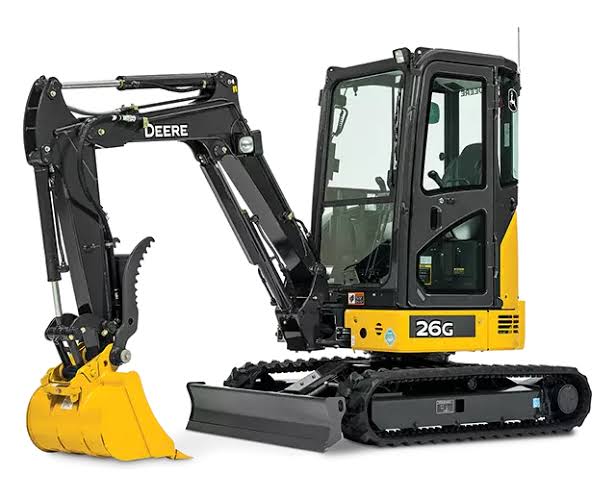
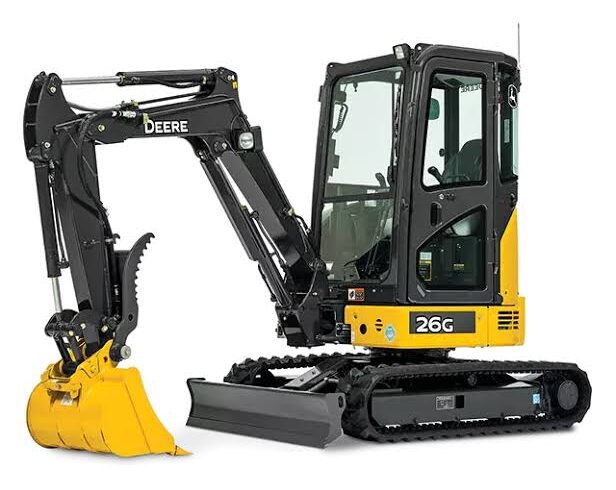
A mini excavator is a compact version of a standard excavator. It normally includes a boom, arm, digging bucket, cab or operator area, and tracked undercarriage.
Mini excavators are commonly used for:
- Trenching
- Landscaping
- Drainage installation
- Small foundation work
- Utility installation
- Pool excavation
- Demolition
- Stump removal
- Site preparation
- Digging around existing structures
Their compact design makes them useful for residential projects, narrow construction sites, and jobs with limited access.
Start With the Rental Period
The rental period is one of the most important factors when estimating mini excavator rental cost. Rental companies usually provide daily, weekly, and monthly rental options.
A daily rental may be suitable for a small job that can be completed quickly. If the project will take several days or weeks, a longer rental period may provide a lower average cost per day.
Before contacting a rental company, estimate how many working days you actually need the machine.
For example, if you expect a project to take five working days, compare the cost of five individual daily rentals with the company’s weekly rental rate. The weekly option may provide better value.
You should also allow some extra time if the project schedule is uncertain. Returning the machine late may result in additional charges.
Consider the Size of the Mini Excavator
Mini excavators are available in different sizes and operating weights. A smaller machine may be cheaper to rent, but it may not have enough digging depth, lifting capacity, or power for your project.
A larger compact excavator may cost more but could complete the job much faster.
When estimating your rental budget, consider:
- Required digging depth
- Soil conditions
- Working space
- Lifting requirements
- Bucket capacity
- Machine width
- Operating weight
- Available engine power
Choosing the correct size can help balance rental price and productivity.
A machine that is too small could increase the rental period, while an unnecessarily large machine may increase your equipment and transportation costs.
Check the Basic Rental Rate
The first price you will usually see is the base rental rate. This may be listed as a daily, weekly, or monthly price.
However, the advertised rate should be treated as the starting point rather than the final project cost.
Ask the rental company what the base price includes. For example, find out whether the standard digging bucket is included, how many operating hours are allowed, and whether maintenance support is part of the rental agreement.
Getting a detailed quote will make it easier to compare different rental companies.
Include Delivery and Pickup Charges
A mini excavator may be smaller than a full-size excavator, but it still requires suitable transportation. Depending on the distance and rental company, delivery and pickup can add to the total rental expense.
When calculating your mini excavator rental cost, ask:
- Is delivery included in the rental price?
- Is equipment pickup included?
- How far does the delivery fee cover?
- Is there an additional charge for difficult access?
- Will the machine be delivered to the exact work area?
If the rental company is located far from your project, transportation costs could make a low rental rate less attractive.
Comparing the complete delivered price is usually more useful than comparing the basic rental price.
Account for Attachments
The standard digging bucket may be enough for many jobs, but some projects require specialized attachments.
Common mini excavator attachments include:
- Augers
- Hydraulic breakers
- Hydraulic thumbs
- Grapples
- Grading buckets
- Trencher attachments
- Rakes
- Compaction wheels
Attachments can improve productivity, but they may increase the rental cost.
If your project requires a breaker for concrete demolition or an auger for post holes, ask whether the attachment is included or rented separately.
It is better to include these charges in your initial budget rather than discovering them after the rental agreement has been signed.
Calculate Fuel Costs
Fuel is another expense that should be included in your estimate. Some rental companies provide equipment with a full tank and expect the customer to return it at the same level.
Others may have different fuel policies.
Fuel consumption depends on the machine’s engine size, workload, operating conditions, and number of working hours. A mini excavator working continuously under heavy load will generally use more fuel than one performing light tasks for short periods.
Ask the rental provider about its fuel policy and include an estimated fuel amount in your project budget.
Check Operating Hour Limits
Some equipment rental agreements include a specific number of operating hours. If the excavator is used beyond the allowed limit, additional hourly charges may apply.
This is especially important when a project requires long work shifts.
Before renting, ask whether the rental price is based on calendar days, operating hours, or both. If the agreement includes an hour limit, estimate how many hours the machine will actually operate.
This simple calculation can help prevent unexpected overtime charges.
Consider Insurance and Damage Protection
Insurance requirements can vary between rental companies. Some providers may require proof of insurance, while others may offer optional damage protection for an additional fee.
Do not assume that insurance is automatically included in the rental price.
Ask the rental company about:
- Required insurance
- Equipment damage coverage
- Theft protection
- Liability coverage
- Deductibles
- Optional protection plans
If additional coverage is required, include it when calculating the total rental budget.
Account for Taxes and Additional Fees
Taxes and service charges can also affect the final amount. The advertised rental price may not always include every applicable fee.
Depending on the rental company and location, you may encounter charges for:
- Sales tax
- Cleaning
- Transportation
- Extra operating hours
- Damage
- Late returns
- Attachments
- Fuel
- Insurance or protection
Ask for a written quote that shows the total expected cost. This makes it easier to compare providers and plan your project budget accurately.
Estimate the Total Working Time
Before renting a mini excavator, break your project into individual tasks.
For example, you might need the machine for:
- Removing existing soil
- Digging a drainage trench
- Preparing a foundation area
- Moving loose material
- Backfilling the excavation
- Basic grading
Estimate how long each task may take. Then add some extra time for site preparation, machine movement, weather delays, and unexpected ground conditions.
This approach can give you a more realistic estimate than simply choosing a rental period without considering the actual work.
Think About Soil and Ground Conditions
Ground conditions can have a major effect on productivity. Soft soil may be relatively easy to excavate, while hard clay, compacted ground, gravel, or rock can take much longer.
If difficult material is present, you may need a more powerful mini excavator or a hydraulic breaker attachment.
This can increase the overall mini excavator rental cost.
If possible, inspect the site before renting and discuss the ground conditions with the equipment provider. An experienced rental company may be able to recommend a suitable machine and attachment.
Compare Several Rental Companies
Getting quotes from multiple rental providers is one of the best ways to estimate the market price.
Do not choose a rental company based only on the cheapest advertised rate. Compare the complete rental package.
Look at:
- Base rental price
- Machine size
- Equipment condition
- Delivery and pickup
- Attachments
- Fuel policy
- Operating-hour allowance
- Insurance requirements
- Additional fees
- Customer support
A slightly higher base rate may provide better value if it includes delivery, a useful attachment, or more operating hours.
Create a Simple Rental Cost Formula
A simple way to estimate your total cost is to add all expected expenses together.
Estimated Mini Excavator Rental Cost = Base Rental + Delivery + Attachments + Fuel + Insurance + Additional Fees + Taxes
For example, if you rent a mini excavator for several days, you should not only multiply the daily rate by the number of days. Add transportation, fuel, attachments, and other applicable expenses to get a more realistic project budget.
The exact figures will vary by rental company, machine type, location, and project requirements.
How to Keep Rental Costs Under Control
There are several practical ways to reduce equipment rental expenses.
First, select a machine that matches the job. Avoid paying for unnecessary size or power.
Second, prepare the worksite before the excavator arrives. A ready site allows you to start working immediately and reduces paid idle time.
Third, plan your tasks carefully so the excavator can complete several related jobs during the same rental period.
Finally, return the equipment on time and in the condition required by the rental agreement. Cleaning the machine and reporting existing damage can also help prevent unnecessary charges.
Should You Rent or Buy a Mini Excavator?
Renting is often a good choice for short-term or occasional projects. It allows you to access useful equipment without paying the full purchase price.
Buying may make more sense for contractors who use mini excavators regularly throughout the year.
When making this decision, consider the purchase price, financing, maintenance, storage, insurance, depreciation, and expected usage.
If the equipment will sit unused for long periods, renting may be a more practical option.
Conclusion
Estimating mini excavator rental cost requires more than checking a daily rental price. The total expense can include rental duration, machine size, transportation, attachments, fuel, operating hours, insurance, taxes, and other fees.
Start by understanding the work your project requires and select a mini excavator that matches those needs. Then request detailed quotes from several rental companies and compare the complete cost.
With proper planning, you can avoid unexpected charges, choose suitable equipment, and keep your construction or landscaping project within budget. A well-planned mini excavator rental can provide the power and flexibility you need without the long-term expense of purchasing heavy equipment.