






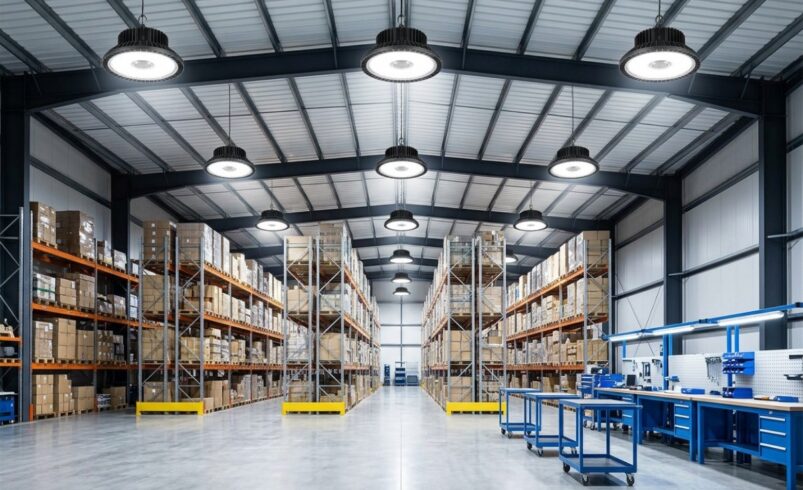
Strip Lighting has become a practical lighting solution for homes, offices, retail stores, hospitality spaces, workshops, and commercial properties. Its slim profile, flexible design, and ability to provide consistent illumination make it useful in areas where traditional fixtures may be difficult to install. Whether used for functional lighting, decorative accents, task illumination, or architectural highlights, strip lighting can transform the appearance and usability of a space.
What Is Strip Lighting?
Strip lighting is a long, narrow lighting system made with multiple light-emitting diodes arranged along a flexible or rigid strip. LED strip lights are commonly available in different lengths, brightness levels, color temperatures, and configurations. They can be installed along ceilings, walls, cabinets, shelves, counters, display areas, and other surfaces.
Unlike bulky traditional fixtures, strip lighting takes up very little space. This makes it especially useful for applications that require a clean appearance or lighting in narrow locations.
Modern LED strip lighting can provide both decorative and practical illumination. Depending on the design, it can serve as accent lighting or as a primary source of light for selected areas.
Why Choose LED Strip Lighting?
One of the main advantages of LED strip lighting is its efficient use of electricity. LED technology can provide substantial illumination while consuming less power than many conventional lighting technologies. This can make strip lighting a useful choice for businesses and property owners looking to manage lighting energy consumption.
The compact design is another important benefit. Because the lighting strip is narrow, it can fit into spaces where conventional fixtures may not be suitable. It can be placed beneath cabinets, around architectural features, inside displays, along shelves, or under counters.
LED strip lighting can also provide a consistent appearance when properly installed. A suitable power supply, spacing, diffuser, and installation surface can help create smooth and attractive illumination.
Common Strip Lighting Applications
Strip lighting can be used in many residential and commercial environments.
Home Lighting
In homes, strip lights are often installed under kitchen cabinets, inside wardrobes, around entertainment units, along staircases, and beneath shelves. They can provide additional illumination while contributing to a modern interior appearance.
Under-cabinet strip lighting can make kitchen work surfaces easier to see. Similarly, wardrobe lighting can help improve visibility without requiring a large ceiling fixture.
Office Lighting
Offices can use strip lighting for work areas, reception desks, shelving, corridors, and architectural features. Properly selected color temperature and brightness can create a comfortable working environment while maintaining a professional appearance.
Strip lighting can also be integrated into modern office furniture and ceiling designs to create clean lines and visually organized spaces.
Retail Stores
Retail businesses often use lighting to improve product visibility. Strip lights can be installed inside display cabinets, beneath shelves, around counters, or within merchandise displays.
Well-positioned lighting can draw attention to products and help customers see details more clearly. The slim profile of strip lighting also allows retailers to illuminate displays without taking attention away from the products themselves.
Restaurants and Hospitality
Restaurants, hotels, cafés, and other hospitality spaces can use strip lighting to create attractive interior environments. Lighting can be installed under counters, along ceilings, behind decorative panels, or around architectural details.
The ability to position strip lighting in discreet locations makes it useful for creating layered lighting designs.
Commercial and Industrial Areas
Strip lighting can also support functional illumination in workshops, storage areas, workstations, and other commercial environments. High-output options can provide useful task lighting where additional visibility is required.
When selecting lighting for industrial applications, it is important to consider factors such as operating conditions, temperature, moisture exposure, installation location, and required brightness.
Choosing the Right Color Temperature
Color temperature plays an important role in the appearance of strip lighting. Common options include warm white, neutral white, and cool white.
Warm white lighting generally creates a softer and more comfortable atmosphere. It can work well in bedrooms, lounges, restaurants, and decorative applications.
Neutral white offers a balanced appearance and can be suitable for offices, kitchens, retail environments, and general-purpose areas.
Cool white provides a brighter and more crisp visual appearance. It can be useful in workspaces, workshops, commercial areas, and locations where clear visibility is important.
The right choice depends on the purpose of the space and the desired visual effect.
Brightness and LED Density
Brightness is another important consideration when selecting strip lighting. Different LED strips are designed for different illumination requirements.
LED density refers to the number of LEDs positioned along a specific length of strip. Higher-density strips can provide more uniform illumination and may reduce visible gaps between individual light sources.
For decorative applications, lower-output strips may be sufficient. For task lighting or functional applications, a brighter strip may be more appropriate.
It is important to match the lighting output to the intended application rather than selecting the brightest available option.
Waterproof and Non-Waterproof Strip Lighting
Strip lighting is available in different protection levels. Standard indoor strips can be suitable for dry locations such as bedrooms, offices, cabinets, and living areas.
Water-resistant or waterproof versions are designed for environments where the lighting may be exposed to moisture. These products can be considered for applications such as bathrooms, outdoor areas, kitchens, and other locations where water exposure is possible.
However, the appropriate protection rating should always be checked before installation. The lighting system, connectors, power supply, and installation method should all be suitable for the environment.
Installation Considerations
Proper installation can significantly affect the performance and lifespan of strip lighting.
The installation surface should be clean, dry, and suitable for the mounting method. Many strip lights include an adhesive backing, while other installations may require clips, channels, brackets, or specialized mounting profiles.
A suitable power supply is also essential. The power supply should match the voltage and total power requirements of the strip. For longer installations, voltage drop can become a consideration, potentially causing the lighting near the end of the strip to appear less bright.
Aluminum channels can be useful in some installations because they provide a secure mounting surface and can help manage heat. Diffusers can also improve the appearance of the finished installation by softening the visible light and reducing harsh points.
Strip Lighting for Architectural Design
Architects and interior designers frequently use linear lighting to emphasize shapes, edges, and structural elements. Strip lighting can be integrated into ceilings, walls, stairs, furniture, niches, and decorative panels.
For example, a strip can be installed along a recessed ceiling edge to create indirect illumination. It can also be placed beneath floating shelves or behind wall panels to produce a subtle glow.
This approach allows lighting to become part of the overall design rather than simply functioning as a separate fixture.
Benefits for Businesses
Businesses can benefit from strip lighting in several ways. Its compact design can provide flexibility when planning interior lighting, while efficient LED technology can support energy-conscious lighting strategies.
Strip lighting can also help businesses create consistent visual branding. Retail displays, reception areas, counters, signage, and architectural features can all use linear lighting to create a recognizable appearance.
Because strips can be cut or configured according to specific installation requirements, they can work well in customized commercial projects.
Maintenance and Longevity
LED strip lighting generally requires relatively little maintenance when correctly selected and installed. However, regular inspection can help identify loose connections, damaged sections, excessive heat, or power supply problems.
Dust and debris should also be removed when necessary, particularly in commercial or industrial environments. Keeping lighting components clean can help maintain their appearance and performance.
For larger installations, it is useful to plan access to power supplies and connection points so that future maintenance can be completed without major disruption.
How to Select Strip Lighting for Your Project
Before purchasing strip lighting, consider several factors:
- Determine where the lighting will be installed.
- Decide whether the purpose is decorative, task, accent, or general lighting.
- Select an appropriate brightness level.
- Choose the right color temperature.
- Check the required strip length.
- Confirm the operating voltage and power requirements.
- Consider whether moisture protection is necessary.
- Select suitable mounting accessories.
- Plan the power supply and electrical connections.
- Consider using channels and diffusers for a cleaner finish.
Taking these factors into account can help prevent installation problems and ensure the lighting meets the needs of the space.
Strip Lighting Trends
Modern lighting design increasingly focuses on clean lines, concealed fixtures, adjustable illumination, and energy efficiency. Strip lighting fits naturally into these trends because it can be integrated into furniture, ceilings, walls, displays, and architectural structures.
Smart lighting systems are also expanding the possibilities of LED strips. Depending on the product, users may be able to control brightness, color temperature, or color through compatible controllers and smart-home systems.
For commercial environments, programmable lighting can provide additional flexibility for displays, work areas, and changing interior designs.
Final Thoughts
Strip lighting offers a flexible way to add practical and attractive illumination to many types of spaces. Its narrow profile allows installation in areas where conventional fixtures may not fit, while LED technology provides an efficient solution for a wide range of applications.
From kitchen cabinets and office furniture to retail displays and architectural features, strip lighting can support both functional and decorative lighting goals. Choosing the correct brightness, color temperature, protection level, power supply, and installation accessories is essential for achieving reliable results.
With thoughtful planning and proper installation, strip lighting can become an effective part of a modern lighting system, providing clean illumination while complementing the design of residential, commercial, and professional environments