
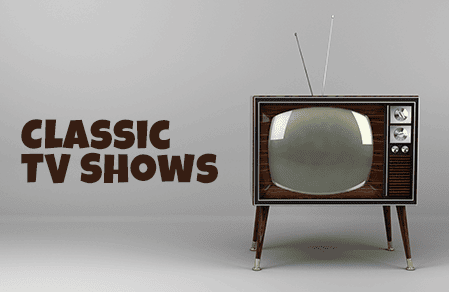




Television has changed dramatically over the past several decades. Viewers once planned their evenings around a network schedule, waited a week for the next episode, and often watched the same programs as millions of other households at the same time. Today, entire seasons can be streamed in a weekend, and thousands of shows are available on demand.
Yet interest in older television has not disappeared. In many ways, it has grown. Classic programs continue to attract longtime fans as well as younger viewers discovering them for the first time. Podcasts have become an especially useful way to revisit these shows because they give listeners something that a streaming library cannot always provide: context, memories, interviews, and the stories behind what appeared on screen.
More Than Nostalgia
It is easy to assume that interest in classic television is driven entirely by nostalgia. That is certainly part of the appeal, but it does not explain everything.
Older programs provide a record of how television developed as an art form and as a business. They show how comedy changed, how dramatic storytelling evolved, and how attitudes toward family, work, politics, and popular culture shifted from one decade to another.
A television episode may last only 30 or 60 minutes, but the circumstances surrounding its production can tell a much larger story. Who created the series? Why were certain actors cast? Which ideas were considered risky at the time? How did audiences originally respond?
Those questions are often where podcasts become valuable.
Bringing Television History Into Conversation
Books and documentaries are important resources for television history, but audio conversations have a different quality. A podcast can give actors, writers, producers, historians, and fans enough time to discuss a subject without reducing everything to a few short quotes.
A good classic TV podcast can connect the program viewers remember with the people and circumstances that made it possible.
That distinction matters. Watching an old episode tells us what reached the screen. Hearing from someone who worked on the production can explain what happened before the cameras rolled, what changed during filming, and why certain decisions were made.
These conversations help turn entertainment history into something more personal and understandable.
Preserving Firsthand Memories
One of the strongest reasons classic television podcasts still matter is that television history is also living history.
Many performers, producers, directors, journalists, and crew members from television’s earlier decades have stories that may never appear in official archives. Their memories can explain how sets operated, how programs were promoted, how networks made decisions, and what relationships were like behind the scenes.
Recording long-form interviews helps preserve those experiences.
Small details can sometimes be just as interesting as major career milestones. An actor may remember an unexpected casting decision. A writer might explain where a famous scene came from. A producer may describe how a network reacted to an unusual idea.
Without interviews, many of these stories could eventually disappear.
Helping New Audiences Discover Older Shows
Classic television podcasts are not only for people who watched the programs during their original broadcasts.
Streaming services, digital channels, clips, and home video have introduced older television to audiences who were not alive when many of these shows first aired. A younger viewer may discover a sitcom from the 1960s or a detective series from the 1970s and want to understand why it was important.
Podcasts provide that bridge.
Instead of simply telling listeners that a program was popular, a good discussion can explain what made it different from other shows of its time. It can also place the program within a wider television landscape, making older material easier to appreciate without requiring the listener to already know the history.
Television Was Often a Shared Experience
Another reason these conversations remain appealing is that television once played a different role in daily life.
Before streaming and hundreds of specialized channels, a successful television program could become a shared cultural event. Families, coworkers, and friends might discuss the same episode the following day because they had all watched it at roughly the same time.
Podcasts can recreate a little of that communal experience.
Listeners hear other people discussing characters, episodes, performers, and moments they remember. Even when the original broadcasts happened decades ago, those conversations can make the programs feel active again rather than simply archived.
Looking Beyond the Famous Episodes
Classic television history is often reduced to famous finales, catchphrases, and a handful of widely remembered stars. Podcasts have enough space to go deeper.
They can examine supporting actors, lesser-known episodes, canceled programs, network changes, writers’ rooms, production techniques, and shows that were influential without becoming enormous hits.
That broader approach is important because television history was not created only by the most famous programs. Thousands of people worked across every part of the industry, and many important ideas appeared in shows that are rarely discussed today.
Long-form audio gives these subjects room to breathe.
Why the Format Continues to Work
The technology surrounding television will continue to change, but curiosity about its past is unlikely to disappear.
Podcasts work particularly well for this subject because listeners can hear detailed conversations while driving, walking, working, or relaxing. The format does not require people to sit in front of another screen, and episodes can spend as much time on a topic as the discussion requires.
For longtime viewers, these programs can revive memories of television they grew up with. For newer viewers, they can provide the background needed to understand why older shows still have devoted audiences.
Most importantly, they help preserve the voices and stories behind television itself.
Classic programs may belong to another era, but the history surrounding them is still being discovered, discussed, and recorded. That is why classic television podcasts continue to have a meaningful place in today’s media landscape.