






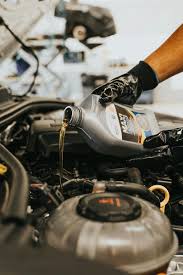
Engine oil is one of the most important fluids in your car. It keeps moving parts smooth, reduces heat, and protects the engine from wear. But over time, oil gets dirty and loses its strength. When that happens, your engine has to work harder than it should.
Many drivers delay oil changes because the car still feels normal. The problem is that engine damage often starts before you notice clear symptoms. A quick oil change is a simple service, but it can make a big difference to your car’s life and performance.
What Engine Oil Actually Does
Engine oil does much more than lubricate parts. It helps reduce friction between metal components, carries heat away from the engine, and collects dirt and tiny particles. It also helps protect against rust and sludge build-up.
When oil is fresh, it flows easily and protects the engine properly. When it becomes old, thick, or dirty, it cannot do its job as well. This can lead to rough running, poor fuel economy, overheating, or long-term engine wear.
That is why booking a regular quick oil change is one of the easiest ways to look after your vehicle.
Signs Your Car May Need an Oil Change
Some signs are easy to notice. Your oil warning light may come on, the engine may sound louder, or the car may feel less smooth when driving. You might also notice dark, dirty oil on the dipstick.
In some cases, your car may burn more fuel than usual. Dirty oil makes the engine work harder, which can affect fuel use. You may also smell burning oil if there is a leak or oil is overheating.
Even if there are no signs, you should still follow your vehicle’s recommended oil change schedule. Waiting for symptoms is not the best approach because engine wear may already be happening.
Why Delaying Oil Changes Can Cost More
Skipping an oil change may save a little money today, but it can cost much more later. Dirty oil can create sludge inside the engine. Sludge blocks oil flow and makes it harder for parts to stay protected.
Over time, this can damage pistons, bearings, camshafts, and other engine components. In serious cases, poor oil maintenance can lead to engine failure. Compared with major engine repair, an oil change is a small and affordable service.
Regular oil changes also help your car last longer. If you plan to keep your car for years, engine care should be a priority.
How Often Should You Change Engine Oil?
The right interval depends on your car, engine type, oil type, mileage, and driving habits. Some cars need oil changes more often, especially if they are used in stop-start traffic, short trips, or heavy driving conditions.
Modern synthetic oils can last longer than older oil types, but they still need replacing on time. Your vehicle manual will give a general guide, but a mechanic can also advise based on your car’s condition.
What Happens During a Quick Oil Change
During an oil change, old oil is drained from the engine and replaced with fresh oil that matches your car’s requirements. The oil filter is usually replaced too. This matters because the filter collects dirt and particles from the oil.
A good garage may also check fluid levels, look for leaks, and inspect basic engine condition. This gives you extra peace of mind.
Final Thoughts
A quick oil change is simple, fast, and important. It helps your engine run smoothly, improves protection, and reduces the risk of expensive repair. If your car is overdue for service or the oil looks dirty, do not wait too long.
Fresh oil is one of the cheapest ways to keep your engine healthy.