


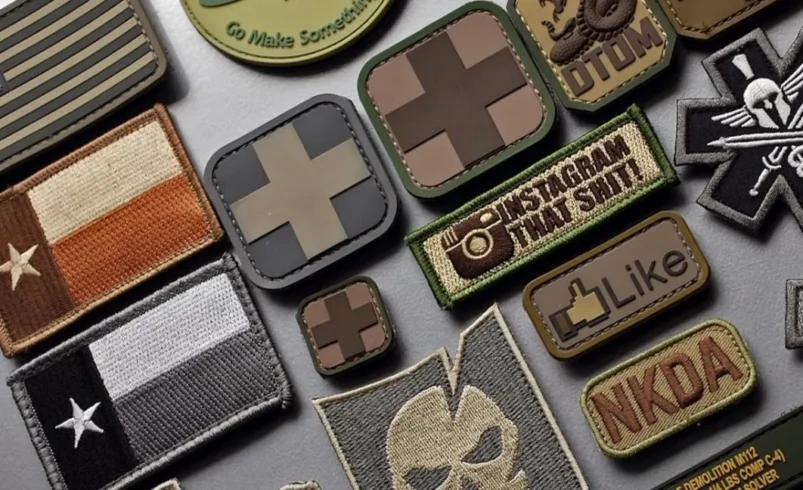
Patches have quietly stuck around in fashion, uniforms, and merchandise for over a century — and they’re not going anywhere. From military insignia to biker jackets to streetwear collabs, a well-made patch does something a printed logo can’t: it adds texture, permanence, and a sense of identity to whatever it’s attached to.
If you’ve ever wondered why brands, clubs, and schools keep coming back to patches instead of simpler options like stickers or printed labels, the answer usually comes down to three things — durability, personalization, and the way a stitched design instantly feels more premium.
The Appeal of a Physical Symbol
In a world where most branding lives on screens, a patch is refreshingly tangible. You can feel the raised embroidery, see the thread catch the light, and know it’ll survive a hundred washes without fading. That’s a big part of why sports teams, motorcycle clubs, workwear companies, and even hobbyist groups treat patches as a badge of belonging rather than just decoration.
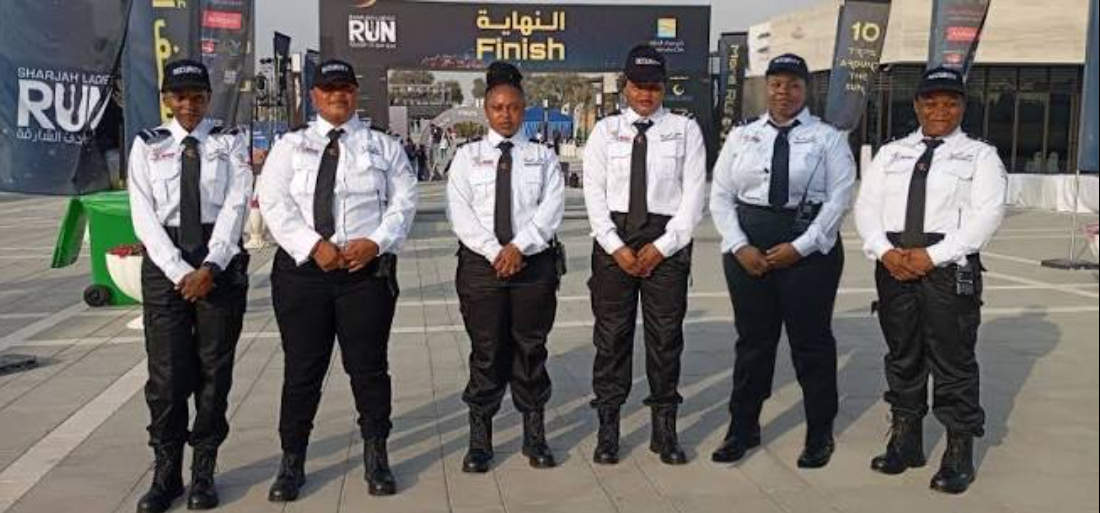
This is also why so many small businesses and organizations look into getting custom patches for uniforms, jackets, or promotional giveaways. A patch on a work shirt communicates professionalism. A patch on a jacket says something about the group you ride, play, or volunteer with.
Choosing the Right Style for Your Project
Not all patches are created equal, and the style you choose changes both the look and the price:
- Embroidered patches — classic, textured, and long-lasting; ideal for uniforms and team gear.
- PVC or rubber patches — waterproof and flexible, great for outdoor or tactical use.
- Woven patches — better for fine detail and small text than standard embroidery.
- Leather patches — a premium option often used on hats and bags.
- Chenille patches — bold, textured, and nostalgic — think varsity jackets.
Picking the right material depends on where the patch will live day-to-day. A patch that sits on a backpack needs different durability than one sewn onto a firefighter’s uniform.
Backing Options Matter More Than People Think
One detail that gets overlooked is how the patch actually attaches. Iron-on backing is fast and convenient for personal projects, but sew-on backing tends to outlast heavy use — think uniforms that get washed weekly. Velcro backing offers flexibility if you want to swap patches in and out, which is popular with tactical gear and some team sports where designs change seasonally.
From Idea to Finished Patch
The process of turning an idea into an actual patch usually follows a similar path regardless of who makes it:
- Sketch or finalize the design (logo, name, or artwork)
- Choose a shape, size, and border style
- Select the material and thread colors
- Decide on the backing type
- Finish the edges to prevent fraying
For anyone who wants a professional result without navigating all of that trial and error alone, it’s often easier to work with a supplier that specializes in it. If you’re at the stage where you’re ready to have patches made rather than DIY it, working with an experienced team can save a lot of guesswork on materials, sizing, and backing choices.
Why Working With Specialists Pays Off
DIY patch-making is a fun hobby, but for anything brand-facing — uniforms, retail merchandise, club gear — quality control matters. A professional shop already has the machinery, thread library, and edge-finishing process dialed in, which means fewer reorders and a more consistent final product across large batches.
That’s really the whole value proposition of using an established patches maker: patches maker is your reference point.
Final Thoughts
Whether you’re outfitting a motorcycle club, branding a small business’s uniforms, or just want a unique patch for your own jacket, the format has stayed relevant because it delivers something screens and prints can’t — a tactile, durable mark of identity. The design possibilities are wide, the durability is proven, and for anyone ready to move from concept to finished product, there’s no shortage of good options to explore.