

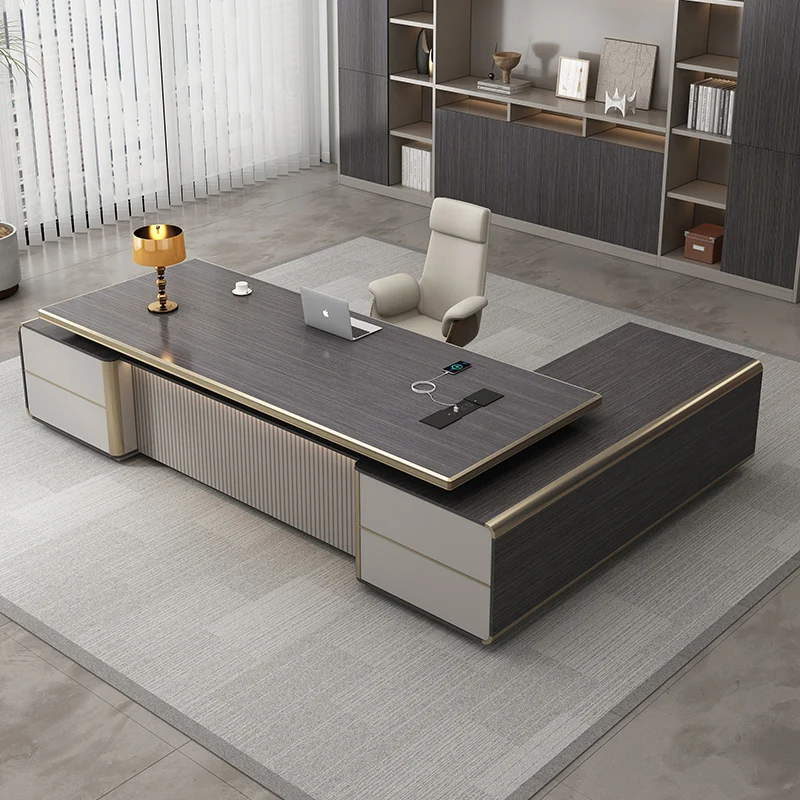

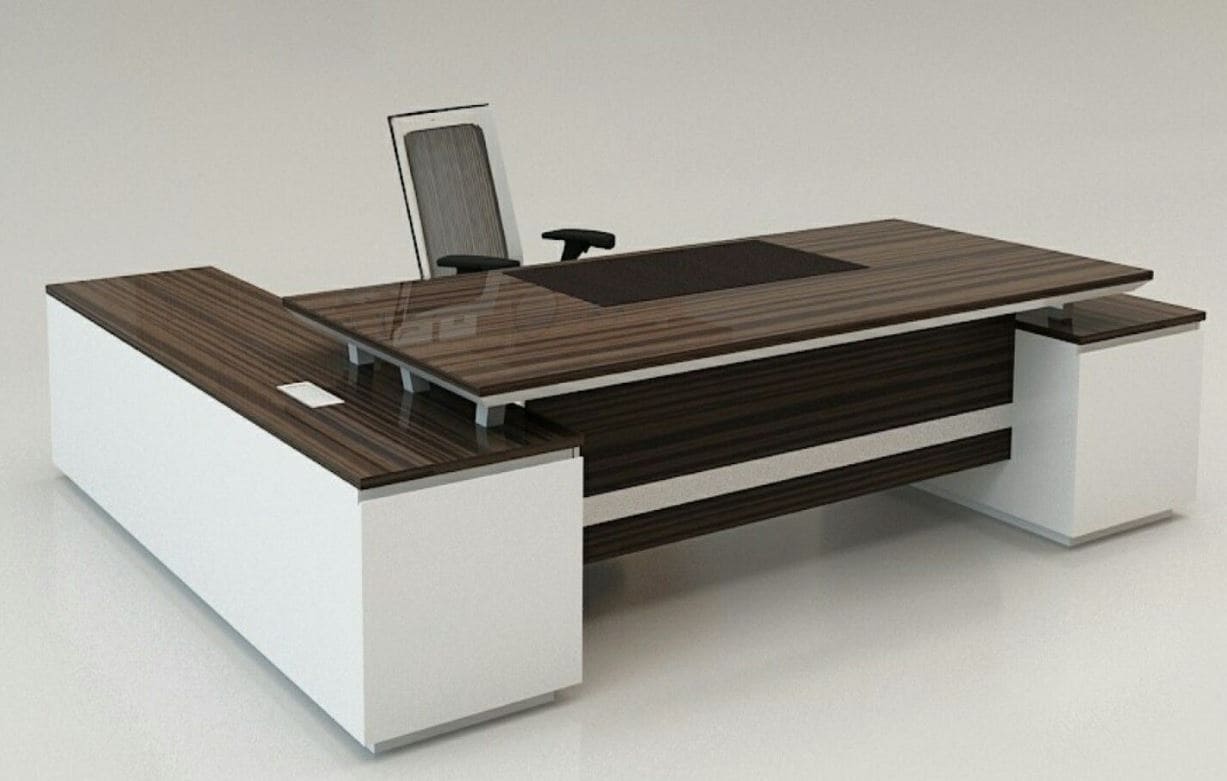
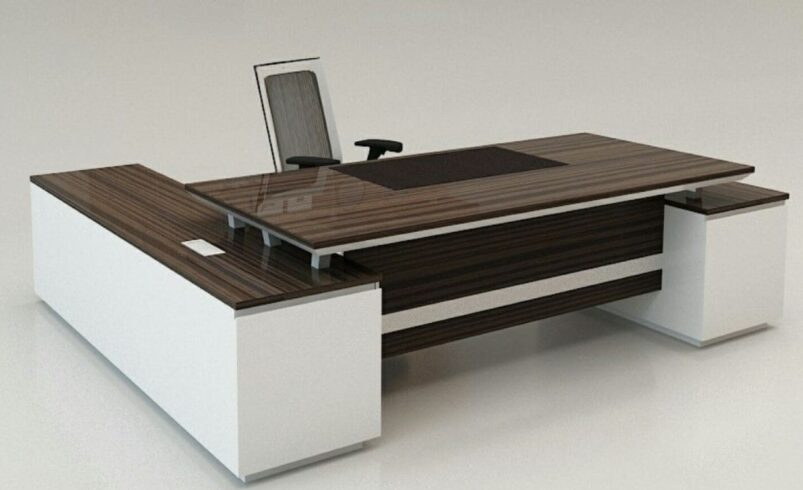
The design of a workplace can affect how employees perform their daily responsibilities and how visitors perceive a business. A well-arranged office gives people enough room to work, communicate, store essential materials, and move around without unnecessary obstacles. Office furniture is at the center of this arrangement because desks, chairs, cabinets, tables, and workstations determine how the available space is used. Philippine companies have different workplace environments, from compact offices in busy commercial districts to spacious corporate facilities. Choosing furniture according to the actual needs of the business can create a setting that is comfortable, practical, and professional.
Begin With The Purpose Of Each Space
Every section of an office usually has a different function. Employees may need dedicated workstations for daily tasks, managers may require private areas, and teams may need rooms for meetings and collaboration. Reception spaces serve visitors, while storage areas hold documents and supplies. Understanding these functions before purchasing furniture makes the planning process more effective. Instead of filling a room with unrelated pieces, businesses can select items that support the purpose of each area. This approach also makes it easier to create a logical flow between different sections of the workplace.
Select Workstations Based On Employee Tasks
The ideal workstation depends on what an employee needs to accomplish. A person who works with multiple screens may need a broad desktop, while someone who mainly uses a laptop may prefer a smaller surface. Employees who handle paperwork can benefit from additional room for documents and stationery. Shared workstation arrangements can be useful for teams that communicate frequently, while individual desks may be better for roles that require greater concentration. By matching workstations to job responsibilities, businesses can provide useful working areas without consuming unnecessary floor space.
Choose Chairs With Everyday Comfort In Mind
Workplace seating should be comfortable enough for regular use. Employees who spend long periods at their desks can benefit from chairs that provide suitable back support and adjustable features. Seat height, backrest position, arm support, and overall construction can influence the user’s experience. A chair should also work well with the height and design of the desk. Businesses should not select chairs only according to appearance because employees interact with them throughout the working day. Comfortable seating can make workstations feel more practical and user-friendly.
Create Enough Personal Workspace
Employees need sufficient room to complete their responsibilities without feeling crowded. Desks should accommodate essential equipment while leaving reasonable space for paperwork and personal items. Workstations should also provide adequate room for employees to move their chairs and access nearby storage. If desks are positioned too closely together, the office can become difficult to navigate. On the other hand, excessive spacing can leave valuable areas unused. A carefully measured arrangement can provide employees with personal working space while maintaining an efficient overall layout.
Improve Storage And Document Management
An office can quickly become untidy when documents and supplies do not have dedicated storage locations. Filing cabinets can keep paperwork organized, while cupboards can accommodate larger items and shared supplies. Pedestals positioned near desks can provide easy access to frequently used materials. Shelving units may also help organize reference documents and office equipment. For sensitive records, businesses can use lockable storage solutions. Effective storage reduces visual clutter and helps employees locate important materials more efficiently.
Give The Reception Area Professional Character
The entrance of an office deserves attention because visitors often form their first opinion of a company there. A well-sized reception desk can provide staff with the necessary working area while maintaining a clean appearance. Waiting chairs should be comfortable and arranged without blocking entrances or walkways. Businesses can also select finishes that complement their brand identity and wider office design. A tidy reception environment can communicate organization and professionalism before a visitor reaches the main workspace.
Design Conference Rooms Around Communication
Conference furniture should support productive conversations. The table should be large enough for the expected number of participants but not so large that it makes the room difficult to navigate. Chairs should provide adequate support during meetings, interviews, presentations, and training sessions. Businesses should also plan where screens, laptops, projectors, and other equipment will be placed. Keeping technology organized can prevent cables from creating visual clutter or becoming obstacles. A flexible conference room can accommodate multiple business activities throughout the week.
Provide Areas For Informal Discussions
Not every conversation requires a formal meeting room. Employees may need a quick space to review a task, discuss an idea, or collaborate on a project. Small tables and comfortable seating can create convenient areas for these interactions. Such spaces can also reduce pressure on conference rooms by providing an alternative for short discussions. A workplace that includes both formal and informal areas can accommodate a wider variety of communication needs.
Make Compact Offices Work Better
Space limitations are common for many businesses, particularly in busy urban locations. Compact offices can remain functional when furniture is selected according to their dimensions. Smaller desks can provide sufficient workspace without taking over the room, while tall storage units can increase capacity without using much floor area. Furniture should be positioned so employees have clear paths between desks and shared facilities. Keeping unnecessary pieces out of small offices can also make the environment feel less congested.
Consider Durability Before Purchasing
Furniture in a busy workplace experiences repeated use every day. Desks are regularly handled, chairs are moved, drawers are opened, and surfaces require frequent cleaning. Businesses should therefore assess construction quality and materials before purchasing. Strong frames, dependable hardware, durable surfaces, and reliable chair mechanisms can contribute to longer service life. Easy-maintenance materials can also make daily cleaning more manageable. Considering durability can help companies avoid replacing furniture sooner than expected.
Coordinate Colors And Materials
The visual appearance of an office can influence its overall atmosphere. Furniture with coordinated finishes can create a more unified interior, even when different types of products are used. Businesses can select simple neutral designs for a professional environment or incorporate selected colors and textures that reflect their identity. The objective should be balance. Furniture should look appealing without making the workplace distracting or difficult to maintain. A consistent style can also make separate areas feel like parts of the same business environment.
Accommodate Computers And Digital Equipment
Modern offices rely on technology, so furniture should be prepared for everyday digital work. Employees may use desktop computers, laptops, multiple monitors, docking stations, phones, and charging equipment. Desks need enough surface area for essential devices, while cable-management features can help maintain a cleaner appearance. Meeting areas may also require power access for participants using laptops or presentation equipment. Considering technology during furniture planning can prevent workstations from becoming overloaded and disorganized.
Design With Visitors In Mind
Businesses that regularly receive clients should make visitor comfort part of their furniture planning. Reception seating should be easy to access, while meeting rooms should provide appropriate chairs and tables for professional discussions. The arrangement should also prevent visitors from entering areas that require employee access. Clear pathways and visible reception points can make navigation easier. A comfortable and organized environment can contribute to a positive experience for clients, suppliers, partners, and job candidates.
Prepare For Changes In Business Size
A company may look very different several years after moving into a new office. Staffing levels can increase, departments can be reorganized, and working practices can change. Furniture that can be moved or reconfigured provides greater flexibility during these transitions. Modular workstations, mobile storage, and adaptable tables can support changing requirements without forcing businesses to replace everything. Considering future growth when purchasing furniture can make the original investment more useful over a longer period.
Separate Quiet Work From Collaboration
A balanced workplace should provide areas for both focused tasks and group interaction. Employees working on detailed assignments may need quieter surroundings, while teams working on projects may require space for conversation. Furniture arrangements can help define these zones. Workstations can be placed in dedicated areas, while collaborative tables can be positioned where discussion is appropriate. This division allows employees to choose environments that suit their tasks without requiring major structural changes.
Make The Most Of Your Furniture Budget
Businesses should evaluate value rather than focusing exclusively on the lowest price. Furniture that is used heavily may require stronger construction and better ergonomic features, while occasional-use items may have simpler specifications. Companies can compare quality, durability, maintenance requirements, warranty coverage, and functionality when assessing different options. Establishing priorities before purchasing helps prevent unnecessary spending and ensures that important workplace needs receive adequate attention.
Keep The Workplace Easy To Maintain
An office should remain practical after the furniture has been installed. Surfaces that are easy to clean, storage that is simple to access, and layouts that do not create difficult-to-reach areas can reduce maintenance effort. Employees should have clear locations for commonly used materials so clutter does not accumulate. Businesses can also review furniture arrangements periodically to determine whether they still suit current workflows. Small adjustments can keep the workplace organized as needs change.
Build A Workplace Around People
Employees are the main users of an office, so their needs should influence furniture decisions. Comfort, accessibility, personal workspace, storage, collaboration, and movement all contribute to the quality of the working environment. Businesses can gather feedback from staff before making major furniture changes to identify common problems. This information can help decision-makers choose solutions that address genuine workplace challenges instead of relying solely on design trends.
Focus On Long-Term Functionality
Good furniture planning considers how products will perform over time. A desk may look excellent when first installed, but its real value depends on whether it continues to support employees as the business develops. Flexible layouts, durable materials, practical storage, and technology-friendly features can make furniture more useful in the long run. Businesses should therefore consider both current requirements and possible future changes before making final selections.
Conclusion
A productive workplace is built through careful attention to the way people use their surroundings. Office furniture can support comfortable working conditions, better organization, efficient movement, collaboration, and a professional company image. Businesses in the Philippines can benefit from evaluating their floor space, employee requirements, storage needs, technology, visitor experience, and future growth before purchasing furniture. When each piece is selected for a clear purpose, the entire office can become easier to use and maintain. Queens arts and trends can also provide inspiration for businesses exploring different workplace styles while keeping functionality at the center of their design decisions.