


A well-equipped office should make daily responsibilities easier while giving employees a comfortable place to work. Office furniture forms the foundation of that environment because desks, chairs, workstations, cabinets, and tables are used throughout the working day. The right choices can improve organization, support smoother movement, and create a professional setting for employees and visitors. Businesses should look beyond basic appearance when selecting furniture and consider how each product will be used. The size of the workplace, number of employees, type of work, storage requirements, and expected growth can all influence the final selection. Careful planning helps companies develop an office that is functional without feeling crowded or unnecessarily complicated.
Assessing The Workplace Before Buying
Furniture selection becomes easier when businesses first understand what their office actually requires. Different departments can have different working patterns, so one furniture style may not be suitable everywhere. Administrative teams may need spacious desks for documents and computers, while creative departments could benefit from larger surfaces and flexible layouts. Managers may require private offices with additional storage, whereas customer-facing teams may need accessible workstations. Businesses should also consider meeting areas, reception spaces, storage rooms, and shared zones. Reviewing these requirements before shopping can help companies spend their budget on products that provide genuine value.
Making Smart Use Of Floor Space
The available floor area should guide furniture dimensions and placement. Large desks can provide generous working surfaces, but they may not be suitable for compact rooms. Smaller desks and efficient storage can help businesses accommodate more employees without making the office difficult to navigate. Workstations should leave sufficient space for chairs to move and employees to walk comfortably. Shared areas should also remain accessible throughout the day. Careful space planning can create a workplace that feels less crowded and allows different departments to function without interfering with one another.
Giving Employees Comfortable Work Areas
Comfort should be considered when planning every employee’s workstation. A suitable chair should provide dependable support and allow adjustments that help users find a comfortable position. The desk should offer enough room for the employee’s primary equipment and frequently used materials. Computer screens, keyboards, and other accessories should be arranged so that employees do not have to work in awkward positions. Comfortable work areas can make long working sessions more manageable and contribute to a better daily experience. Businesses that pay attention to these details can create workstations that are both practical and employee-friendly.
Selecting Desks For Different Roles
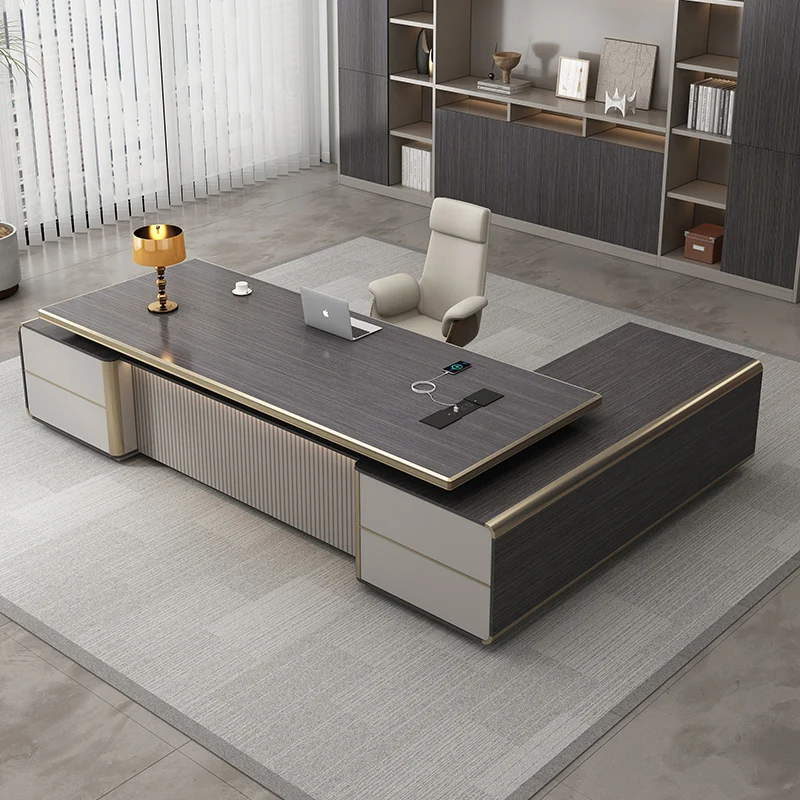
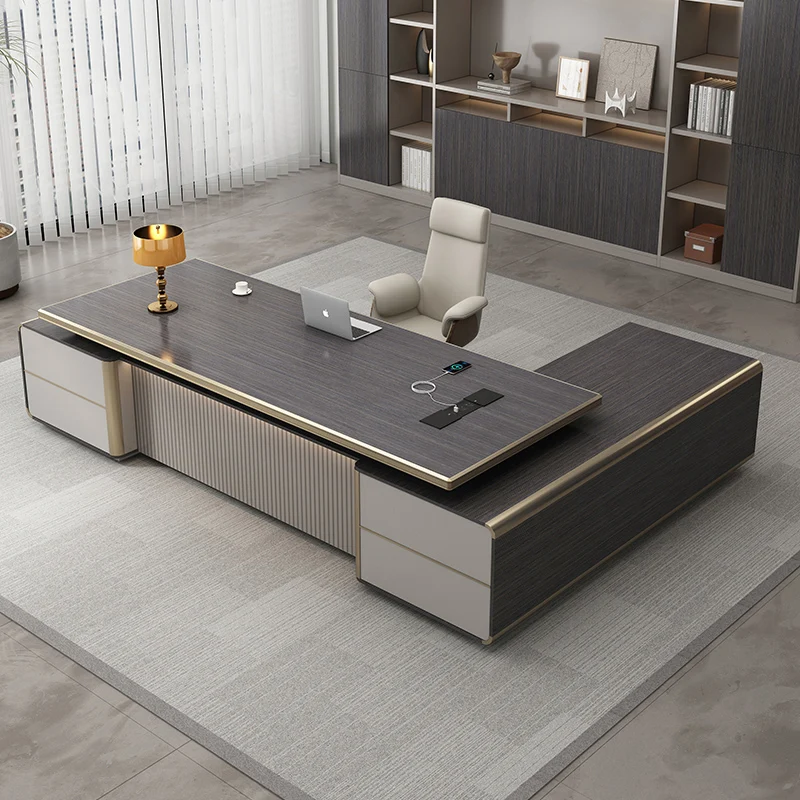
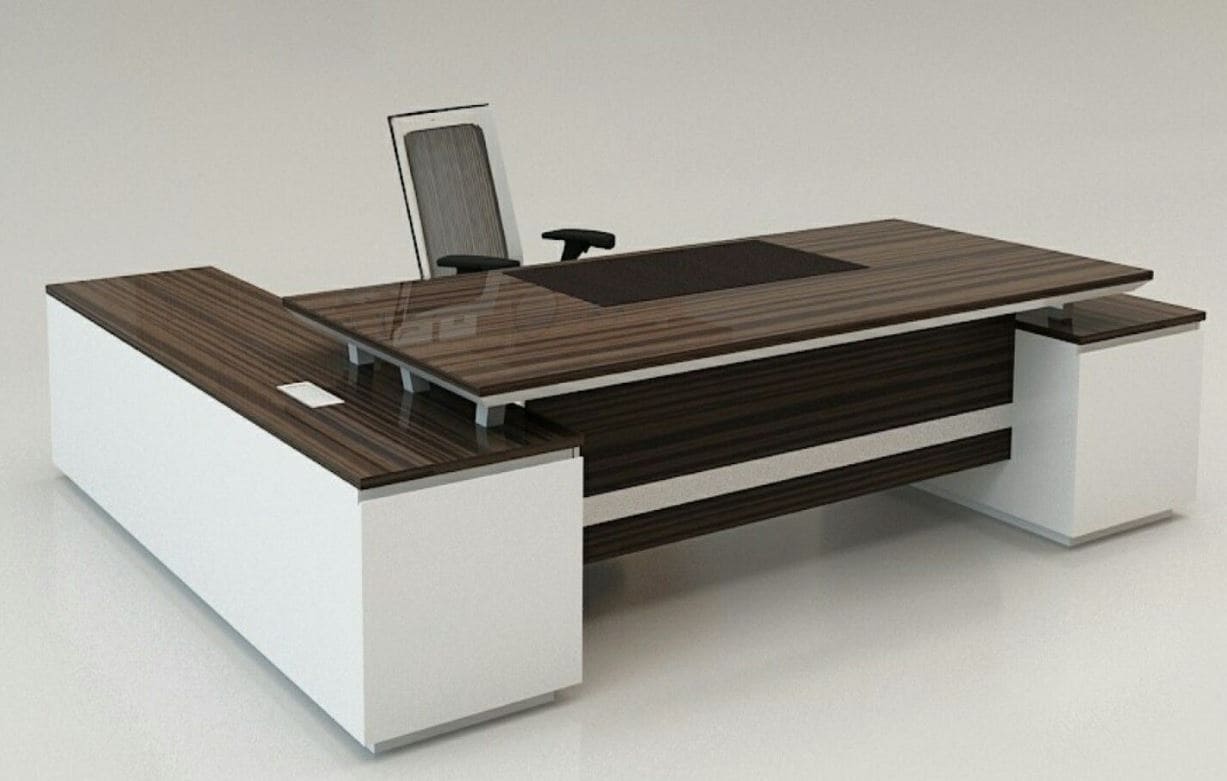
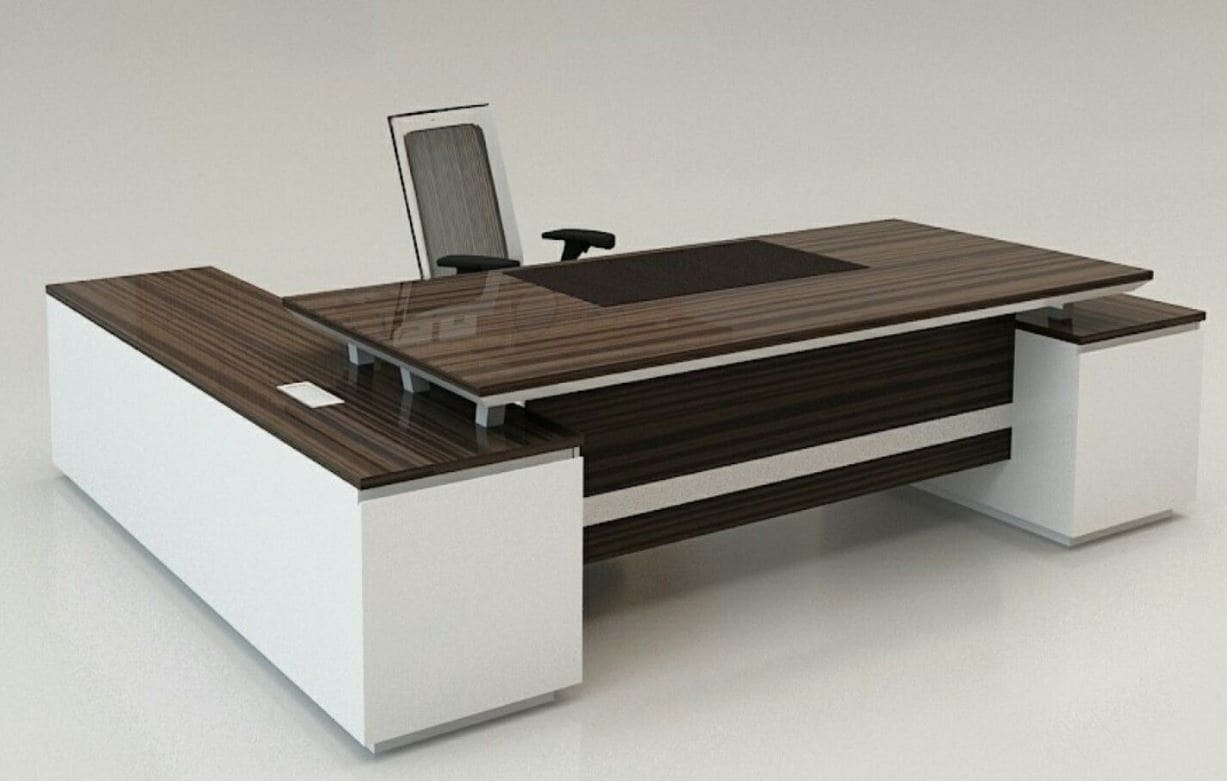
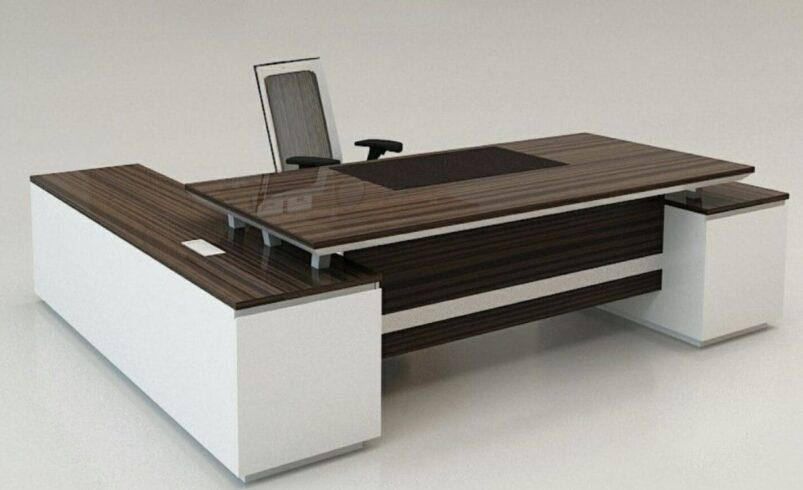
The ideal desk depends on the responsibilities performed at that location. A basic workstation can meet the needs of employees who primarily work with a computer, while larger desks may be necessary for workers who handle paperwork, multiple monitors, or specialized equipment. Executive desks can combine presentation with additional storage, while shared tables may work better for collaborative teams. Reception counters need to provide practical working space while maintaining a polished appearance. Selecting desk designs based on actual usage helps employees work more efficiently and prevents businesses from occupying valuable floor space with unnecessary furniture.
Improving Team Communication Through Layout
Furniture arrangement can influence how easily employees communicate and collaborate. Teams that work closely together may benefit from shared workstation layouts that allow quick interaction. Employees who require quiet concentration can be positioned in areas with fewer interruptions. Partitions can create a degree of separation without completely isolating workers from their colleagues. Businesses should think about team relationships when planning workstation placement. Arranging departments according to their workflow can reduce unnecessary movement and make everyday communication more convenient.
Organizing Files And Office Supplies
Storage is an essential part of a functional office because employees need places for documents, equipment, and supplies. Filing cabinets can keep important records organized, while shelves and cupboards can accommodate shared materials. Pedestals placed near individual workstations can provide convenient personal storage. Businesses should determine how much storage each department needs before selecting cabinets and other units. Secure options may also be required for confidential information. An organized storage system can reduce desk clutter and make important materials easier to locate when they are needed.
Creating An Inviting Reception Area
A reception area should be functional for employees and comfortable for visitors. The reception desk should provide adequate working space while maintaining a clean and organized appearance. Seating should be positioned so guests can wait comfortably without obstructing entrances or walkways. Furniture style should complement the rest of the office so visitors experience a consistent environment. Since reception is often the first physical point of contact with a company, thoughtful furniture choices can contribute to a positive impression and reinforce the professional character of the business.
Improving Meeting And Collaboration Areas
Meeting rooms need furniture that supports productive conversations. Tables should be appropriately sized for the number of people who regularly attend meetings, and chairs should provide enough comfort for longer discussions. There should be room for laptops, documents, notebooks, and presentation equipment. Businesses can also create smaller collaboration areas for quick conversations that do not require a formal meeting room. Flexible furniture can allow one room to serve several functions, making it particularly useful for offices with limited space. A practical meeting setup can support internal discussions as well as meetings with customers and business partners.
Choosing Materials For Regular Workplace Use
Furniture in a busy office needs to withstand repeated use. Desks, chairs, cabinets, and tables should be constructed from materials appropriate for their expected workload. Businesses should examine the stability of frames, quality of surfaces, reliability of drawers and fittings, and overall construction before making a purchase. Easy-to-clean materials can also be beneficial because workplace furniture requires regular maintenance. Products that remain functional and presentable over time can provide better value than options that need frequent replacement.
Maintaining A Consistent Interior
Furniture can contribute to the visual character of a business. Coordinating desks, chairs, storage, reception units, and meeting furniture can create a more unified appearance. Companies can choose finishes and designs that reflect their brand without sacrificing practicality. The office does not need to look overly formal to appear professional. A balanced combination of useful furniture and carefully selected design elements can create a comfortable atmosphere. The key is to ensure that the appearance of the workplace supports rather than interferes with everyday activities.
Preparing For Expansion And Change
Companies often change as they grow. Employee numbers can increase, departments may move, and working methods can develop. Furniture that can be rearranged or expanded can make these changes easier to manage. Modular workstation systems are particularly useful because they can often be configured according to changing team sizes. Movable storage and adaptable tables can also provide additional flexibility. Businesses should think about possible future requirements when purchasing furniture, especially when investing in a complete office setup. Flexible choices can reduce the need for major replacements when circumstances change.
Keeping Furniture In Good Condition
Regular care can extend the useful life of workplace furnishings. Employees should have appropriate storage so desks and shared surfaces do not become overloaded. Cleaning routines should be suitable for the materials used on furniture. Damaged components should be repaired before small problems become more serious. Chairs, drawers, hinges, and workstation fittings may require occasional inspection in busy offices. Proper maintenance helps preserve functionality and appearance while reducing unnecessary replacement expenses. A clean and well-maintained office also provides a better environment for employees and visitors.
Evaluating Long-Term Value
Businesses should consider more than the initial purchase price when comparing furniture options. Durability, comfort, maintenance, functionality, and expected lifespan all affect the overall value of a product. An inexpensive chair that quickly becomes uncomfortable may cost more in the long run than a reliable chair that remains useful for several years. The same applies to desks, storage units, and workstations. Companies can make better decisions by comparing products according to their intended use and expected performance. This approach helps businesses manage their budgets while still creating a dependable workplace.
Building A More Functional Business Environment
An effective office combines comfortable work areas, sensible layouts, useful storage, and spaces that support communication. Office furniture should contribute to these objectives instead of simply filling available rooms. Every product should have a purpose and fit naturally into the overall workplace arrangement. Businesses that plan carefully can create an environment where employees have the tools and space required for their responsibilities. A practical setup can also make visitors feel more comfortable and help establish a stronger professional image.
Making The Workplace Ready For Tomorrow
The best office setup is one that works well today while remaining adaptable for future needs. Companies should review their workspace regularly and determine whether furniture continues to support employee requirements. As teams expand or working patterns change, desks, seating, storage, and collaborative areas may need to be adjusted. Office furniture selected for comfort, functionality, durability, and flexibility can provide lasting benefits. Businesses in Cebu seeking suitable workplace solutions can consider Cebu office furniture den when planning a professional environment that supports employees, accommodates business activities, and makes effective use of available space.