






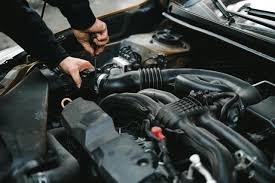
A head gasket is a small part of the engine, but it has a very important job. It seals the area between the engine block and cylinder head. This helps keep coolant, oil, and combustion pressure in the right places.
When the head gasket fails, your engine can quickly develop serious problems. Some signs may look small at first, but a faulty head gasket can lead to overheating, coolant loss, oil contamination, and expensive engine damage.
Why the Head Gasket Matters
The engine works under high heat and pressure. The head gasket keeps everything sealed while the engine runs. If that seal breaks, fluids can mix or escape into areas where they should not be.
Coolant may enter the cylinders. Oil and coolant may mix. Combustion gases may enter the cooling system. Any of these problems can affect engine performance and cause long-term damage.
If you suspect a problem, getting professional head gasket repair early can help protect the engine before the damage spreads.
Common Signs of a Failing Head Gasket
One major warning sign is engine overheating. If your car keeps overheating even after topping up coolant, the head gasket could be part of the problem.
Another sign is white smoke from the exhaust. This can happen when coolant enters the combustion chamber and burns with the fuel. You may also notice coolant levels dropping without a clear leak.
Milky or creamy oil is another serious sign. This can mean coolant has mixed with engine oil. When oil becomes contaminated, it cannot protect the engine properly.
Bubbles in the coolant tank or radiator may also point to combustion gases entering the cooling system. Poor engine performance, rough running, or loss of power can also happen.
Why You Should Not Keep Driving
Driving with a blown or damaged head gasket is risky. The engine may overheat again and again. Overheating can warp the cylinder head, damage pistons, and cause complete engine failure.
If oil and coolant mix, the engine’s internal parts may not get proper lubrication. This can cause metal parts to wear faster. The longer the issue continues, the more expensive the repair becomes.
If your temperature gauge rises quickly or steam appears from under the bonnet, stop safely and get help. Continuing to drive can make the problem much worse.
How Mechanics Diagnose Head Gasket Issues
A mechanic may check coolant levels, oil condition, exhaust smoke, and engine temperature. They may also perform pressure tests, compression tests, or chemical tests to detect gases in the cooling system.
Proper diagnosis is important because some symptoms can be caused by other issues, such as a faulty thermostat, radiator leak, water pump problem, or coolant hose damage. A professional inspection helps confirm the real cause.
What Head Gasket Repair Involves
Head gasket repair can be a detailed job. The mechanic may need to remove the cylinder head, clean the surfaces, check for warping, and install a new gasket. In some cases, the cylinder head may need machining to make sure it seals properly again.
The cooling system and oil system may also need flushing if fluids have mixed. Fresh oil, coolant, and related parts may be needed depending on the damage.
Final Thoughts
A head gasket problem is not something to ignore. Overheating, white smoke, coolant loss, or milky oil should always be checked quickly. Early diagnosis can save your engine from bigger damage and help you avoid a much higher repair bill.
When it comes to head gasket issues, acting early is always better than waiting.