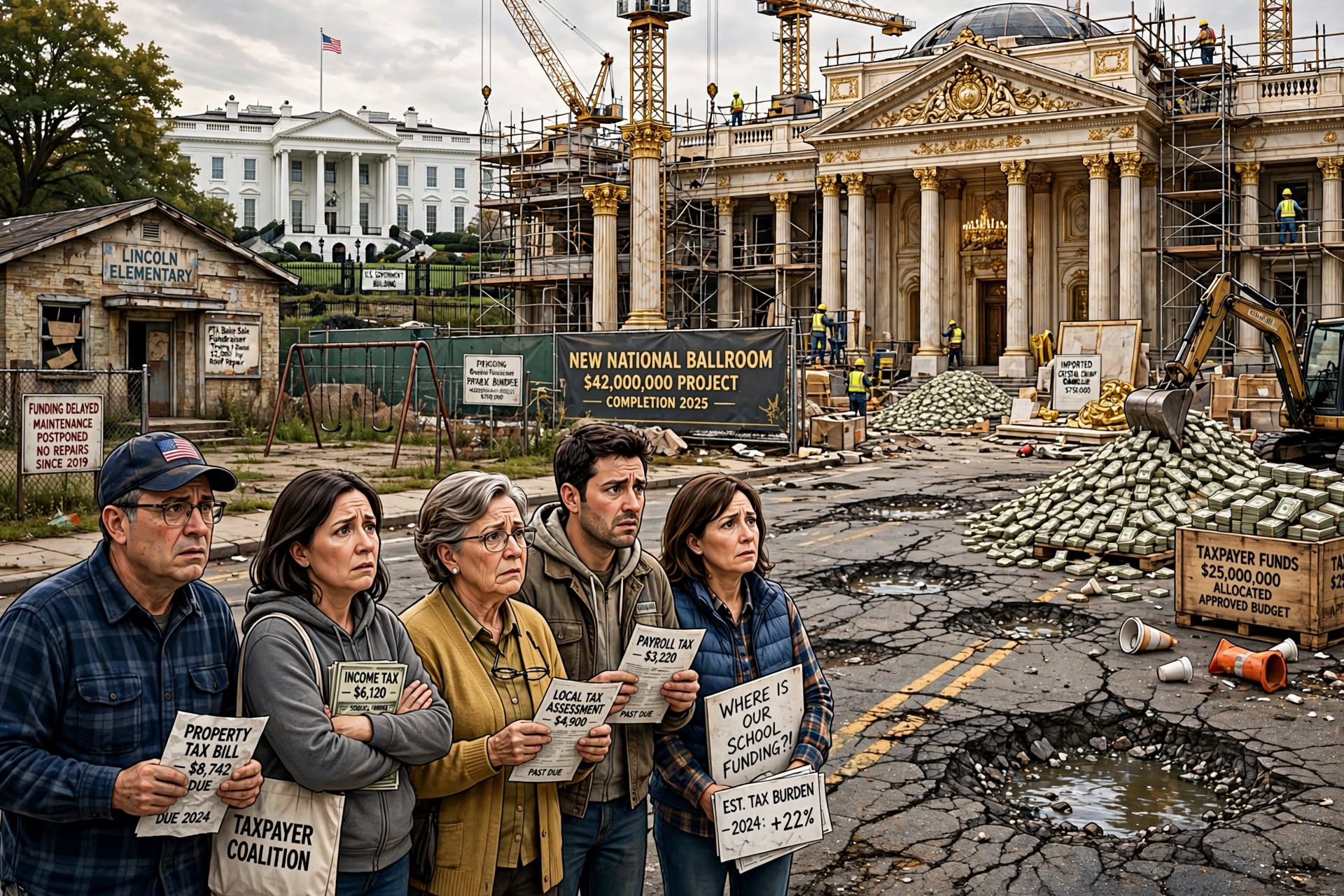
Government construction projects often spark heated discussions about public priorities, financial responsibility, and political accountability. From transportation infrastructure and public schools to government offices and ambitious architectural developments, these projects can require substantial taxpayer funding. While some investments provide long-term benefits, others raise questions about whether public money is being spent wisely.
The debate becomes especially interesting when government construction projects involve luxury features, expensive additions, or buildings designed to make political statements. Should taxpayers automatically support these developments, or should elected officials demonstrate why such spending is necessary? Understanding both sides can help citizens make informed decisions about government budgets and public resources.
1. Understanding the Purpose of Government Construction Spending
Governments invest in construction for several important reasons. Roads, bridges, hospitals, schools, public transportation systems, and emergency facilities contribute to community development and economic stability.
Well-planned construction projects can create employment opportunities, improve public services, attract businesses, and strengthen local infrastructure. These investments may also reduce future maintenance costs and improve residents' quality of life.
However, not every construction project delivers equal public value. A necessary hospital expansion serves a different purpose from an extravagant government building addition. Before approving major expenses, officials should explain how a project benefits the public and why its cost is justified.
2. The Problem With Spending Public Money Without Transparency
One major concern surrounding government construction is transparency. Taxpayers deserve to understand where their money goes, how contractors are selected, and whether project costs reflect reasonable market values.
Large construction budgets can become controversial when expenses increase unexpectedly, deadlines are repeatedly extended, or project details remain unclear. Without independent oversight, taxpayers may struggle to determine whether their money is being used efficiently.
Public accountability should include accessible budget information, competitive bidding, independent audits, and regular progress reports. These safeguards help discourage wasteful spending and encourage government officials to make responsible financial decisions.
3. Essential Infrastructure Versus Political Luxury Projects
The central question in the government spending debate is not whether governments should build things. It is whether individual projects deserve public funding.
Investments in bridges, schools, public safety facilities, and healthcare infrastructure generally have identifiable community benefits. Luxury additions and expensive architectural projects require a different level of scrutiny, particularly when communities face more urgent financial needs.
For example, citizens may reasonably question expensive government renovations when roads need repairs, schools lack resources, or public services require additional funding.
This is where political satire can become a powerful way to express public frustration. A message printed on the White House ballroom T-shirt can turn a complicated discussion about government priorities into an accessible conversation about accountability and spending decisions.
4. How Political Satire Encourages Public Discussion
Political satire has always played an important role in democratic societies. Humor, sarcasm, and provocative messages can encourage people to question government decisions and examine issues that might otherwise receive limited attention.
Clothing featuring political commentary gives individuals a visible way to communicate their opinions. It can also create opportunities for conversations among people with different perspectives.
For people interested in expressing criticism through fashion, this political satire apparel offers a conversation-starting approach to a familiar political issue. Rather than presenting a detailed policy argument, satirical clothing uses humor to highlight concerns about government priorities, public spending, and political accountability.
The value of satire is not that it provides every answer. Its strength lies in encouraging people to ask better questions.
5. Finding a Balance Between Public Investment and Fiscal Responsibility
Responsible government spending requires balancing immediate community needs with long-term development goals. Not every expensive project is wasteful, and not every controversial project lacks public value.
Officials should evaluate construction proposals according to measurable benefits, realistic budgets, environmental considerations, maintenance requirements, and alternative uses of public funds.
Citizens also have a role to play. Attending public meetings, reviewing budget reports, contacting elected representatives, and participating in local discussions can help ensure that public investments reflect community priorities.
A government spending debate shirt can symbolize this broader conversation by encouraging people to think critically about how public resources are allocated.
6. Why Taxpayers Should Have a Voice in Major Projects
Ultimately, taxpayers provide the financial foundation for many government construction projects. Their interests should remain central throughout the planning, approval, and construction process.
Public officials are responsible for explaining major expenditures and demonstrating that proposed investments serve legitimate public purposes. Citizens, meanwhile, should have meaningful opportunities to question decisions and demand accountability.
Government construction can deliver enormous benefits when projects are necessary, affordable, and properly managed. However, public funding should never be treated as an unlimited resource for unnecessary extravagance.
The real issue is not simply whether taxpayer money should fund large construction projects. It is whether those projects deliver enough public value to justify the expense. That question deserves attention, open discussion, and a healthy dose of political skepticism.