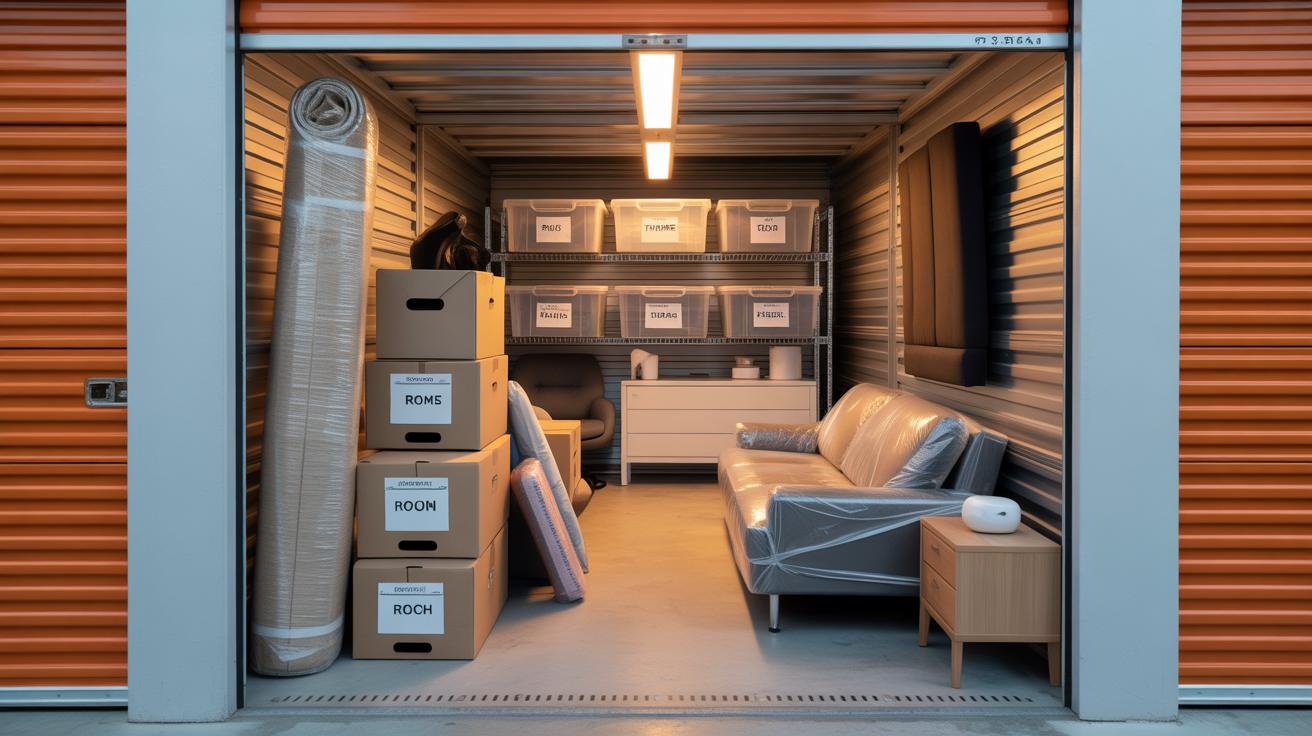
Moving to a new home involves more than packing boxes and arranging transportation. One of the biggest challenges is figuring out where to keep your belongings when your moving dates do not line up perfectly or your new home does not have enough space. Renting a storage unit can make the transition easier, but choosing the right size is essential. A unit that is too small may leave you struggling to fit everything, while a unit that is too large can mean paying for unused space.
Understanding how much storage space you need before moving helps you plan your budget, organize your belongings, and avoid unnecessary stress. Whether you are relocating across town or moving to another city, a little preparation can make the process much smoother. Here is how to estimate your storage requirements and choose a practical solution.
1. Start by Taking Inventory of Your Belongings
Before choosing a storage unit, make a complete list of the items you plan to store. Walking through your home room by room is an effective way to understand how much space your belongings will require.
Start with larger furniture pieces, such as beds, sofas, dining tables, wardrobes, dressers, and bookshelves. Then account for smaller belongings, including kitchen appliances, electronics, seasonal decorations, clothing, and packed boxes.
Divide your inventory into three categories:
Large items: Furniture, mattresses, appliances, and bulky equipment.
Medium items: Chairs, cabinets, small tables, and storage containers.
Small items: Moving boxes, suitcases, clothing, books, and household supplies.
You should also identify anything you do not intend to move into your new home. Selling, donating, or discarding unnecessary belongings can significantly reduce the amount of storage space required.
A detailed inventory gives you a realistic starting point instead of relying on guesswork.
2. Measure Furniture and Estimate Box Quantities
Once you have your inventory, measure the larger items. Knowing their dimensions makes it easier to estimate how much floor space they will occupy inside a storage unit.
Measure the length, width, and height of furniture pieces. Remember that some items can be disassembled to save room. For example, removing table legs, taking apart bed frames, and separating shelving units can make furniture easier to stack and transport.
Next, estimate how many moving boxes you will need. Standard moving boxes come in different sizes, so consider the approximate dimensions of each box when calculating your requirements.
A useful approach is to group boxes according to their sizes:
Small boxes for books, kitchenware, and heavier belongings.
Medium boxes for clothing, toys, and general household items.
Large boxes for lightweight items such as bedding and pillows.
Keep in mind that boxes should be packed securely without becoming too heavy to lift. Consistent box sizes also make stacking easier and help you use available vertical space more effectively.
3. Understand Common Storage Unit Sizes
Storage facilities typically offer several unit sizes to accommodate different moving and household needs. Understanding the approximate capacity of each option can help narrow your choices.
Here are some common storage unit sizes and their typical uses:
5 x 5 feet: Similar to a small closet, this size may accommodate several boxes, small household items, and seasonal decorations.
5 x 10 feet: Often suitable for the contents of a small room, including boxes, a mattress, a desk, and a few smaller furniture pieces.
10 x 10 feet: A popular option for storing the contents of a one-bedroom apartment, depending on furniture dimensions and packing arrangements.
10 x 15 feet: This size may accommodate belongings from a larger apartment or multiple rooms, including furniture, appliances, and numerous boxes.
10 x 20 feet: A larger option that may hold the contents of a multi-room home, depending on the quantity and size of belongings.
These measurements are general guidelines rather than guarantees. Actual capacity depends on furniture dimensions, stacking arrangements, access requirements, and the shape of the items being stored.
When exploring North Tonawanda storage solutions, compare available unit dimensions with your inventory rather than selecting a unit based only on its advertised size.
4. Calculate Your Storage Needs Based on Moving Circumstances
The amount of storage space you need also depends on your moving situation. Not every move requires the same storage arrangement.
For example, someone moving from a small apartment may only need temporary storage for a few pieces of furniture and several boxes. A family relocating from a larger house may need considerably more space for bedroom furniture, kitchen appliances, outdoor equipment, and personal belongings.
Consider these common moving situations:
Temporary housing: If you are staying somewhere temporarily before moving into your permanent home, you may need to store most of your household belongings.
Downsizing: Moving into a smaller property often means keeping furniture and belongings that will not immediately fit into your new home.
Renovation delays: If your new home requires repairs or renovations, storage can protect furniture and household items until the property is ready.
Moving between locations: When your moving dates do not match, a storage unit provides a convenient place to keep belongings until transportation or access to your new property is arranged.
People looking for moving storage in North Tonawanda, NY, should consider both the quantity of their belongings and how long they expect to need storage. These factors can influence the most practical unit size and rental arrangement.
5. Make the Most of Your Available Storage Space
Choosing the correct unit size is only part of the process. How you organize your belongings can make a significant difference in how much space you actually use.
Start by placing large, heavy furniture items along the walls or toward the back of the unit. Store lighter boxes on top of sturdy furniture where appropriate, making sure everything remains stable and safe.
Here are a few practical space-saving tips:
Disassemble furniture whenever possible.
Use uniform boxes to create stable stacks.
Fill empty spaces inside furniture with lightweight items.
Store mattresses and furniture according to manufacturer recommendations.
Label boxes clearly so you can identify their contents.
Keep frequently needed belongings near the entrance.
Leave a small walkway if you expect to access your belongings regularly.
Avoid stacking heavy boxes on fragile belongings or creating unstable piles. If you are storing items that require special handling, follow the manufacturer's storage instructions.
Good organization not only maximizes available space but also makes unpacking much easier when you reach your new home.
6. Compare Storage Options and Allow Room for Flexibility
After estimating your belongings and reviewing available unit sizes, compare storage options before making a final decision.
Look beyond the advertised dimensions. Consider accessibility, security features, cleanliness, rental terms, and whether the facility offers the type of storage your belongings require.
It is also wise to leave a little extra room in your estimate. Moving inventories often change as packing progresses. You might discover additional belongings in the garage, basement, attic, or closets that were not included in your original calculations.
However, avoid renting a significantly larger unit simply because you are uncertain about your requirements. A careful inventory and consultation with the storage facility can help you find a suitable balance.
If you are considering North Tonawanda storage solutions, discussing your estimated inventory with the facility can help you understand which available unit sizes may work best for your move.
Make Your Next Move Easier with the Right Storage Space
Estimating your storage requirements before moving can save time, money, and unnecessary frustration. By creating a household inventory, measuring large furniture, calculating box quantities, and understanding common storage unit sizes, you can make a more informed decision.
Whether you are downsizing, waiting for your new home to become available, or managing a complicated moving schedule, the right storage arrangement can make the transition more manageable.
Planning ahead is the key to a smoother relocation. Take the time to evaluate your belongings, compare your options, and choose a storage space that meets your needs without paying for more room than necessary.