Custom apparel is more than a way to put your company logo on a shirt. It helps employees look professional, creates a consistent brand identity, and makes your business recognizable wherever your team works. However, when employees wear branded clothing regularly, appearance is only part of the equation. The garments must also withstand frequent washing, long working hours, daily movement, and changing workplace conditions.
Choosing the wrong materials or printing method can lead to faded logos, stretched fabric, loose stitching, and uncomfortable uniforms. These problems can increase replacement costs and make your business look less professional over time.
Whether you need uniforms for office employees, retail staff, field workers, or promotional teams, selecting the right apparel requires careful consideration. Here are six important factors to help you choose durable, comfortable, and professional business clothing.
1. Choose Fabrics That Match Your Work Environment
Fabric quality is one of the most important factors when selecting custom business apparel. A garment may look attractive when new, but poor-quality material can quickly lose its shape, become uncomfortable, or show signs of wear.
Start by considering where and how employees will use their clothing. Office teams may prefer lightweight cotton or cotton-blend shirts because they offer comfort and a neat appearance throughout the day. Employees working in warehouses, outdoor environments, or physically demanding roles may benefit from stronger fabrics designed to handle regular movement and repeated washing.
Cotton is popular because of its softness and breathability. Polyester offers useful advantages such as wrinkle resistance, quick drying, and shape retention. Cotton-polyester blends combine several of these benefits, making them a practical option for many everyday uniforms.
Also consider fabric weight and construction. Heavier materials can provide a substantial feel, but they are not always the best choice for warm environments. Look for tightly constructed fabrics that balance durability, comfort, and breathability.
The right fabric should support employees throughout their working day without making them feel restricted or uncomfortable.
2. Select Printing and Embroidery That Last
The decoration method plays a major role in how long branded apparel maintains its professional appearance. A high-quality garment can still look worn out if its logo cracks, peels, or fades after repeated washing.
Screen printing is a popular choice for businesses ordering multiple garments with consistent designs. It produces vibrant colors and can provide excellent durability when the correct inks, application techniques, and curing processes are used. It works particularly well for company T-shirts, promotional clothing, and team uniforms.
Embroidery is another excellent option, especially for polo shirts, jackets, caps, and professional uniforms. Because the design is stitched directly into the garment, it creates a textured and polished finish. Embroidered logos are particularly suitable for businesses that want a refined appearance.
When selecting durable custom printed apparel, consider the design complexity, garment material, expected washing frequency, and intended use. Ask your supplier about the best decoration method for your specific requirements.
Proper application and following garment-care instructions are just as important as choosing the right printing technique.
3. Prioritize Comfort, Fit, and Everyday Functionality
Employees wear work clothing for several hours at a time, so comfort should never be overlooked. Even the most attractive uniform will not serve its purpose if it feels restrictive, causes irritation, or makes everyday tasks difficult.
Think about the different activities employees perform during their shifts. Office staff may need comfortable shirts with a structured appearance, while delivery teams and outdoor workers may require flexible garments that allow greater movement.
Pay attention to sizing, sleeve length, collar construction, and garment flexibility. Offering a suitable range of sizes helps employees feel comfortable and confident in their uniforms.
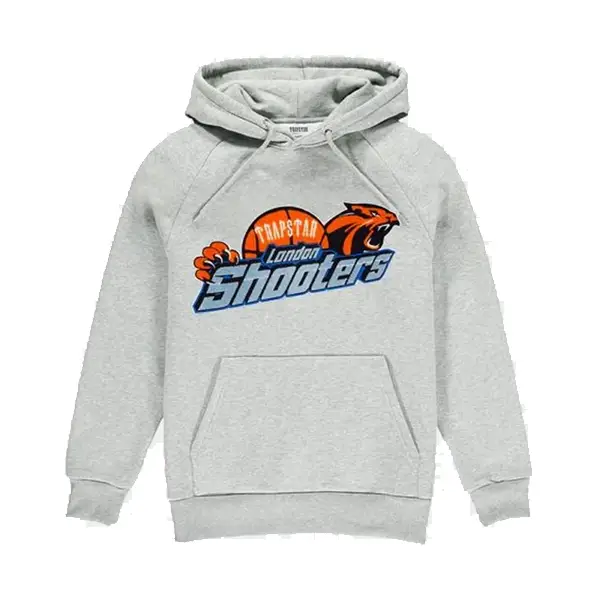
It is also useful to consider seasonal requirements. Lightweight shirts may work well during warmer months, while hoodies, sweatshirts, and jackets provide additional coverage in colder conditions.
For custom clothing for company teams, consistency does not mean every employee must wear exactly the same garment. You can maintain a unified appearance through matching colors, logos, and design elements while offering different garment styles for different roles.
A comfortable uniform encourages employees to wear it regularly and helps create a more positive impression of your business.
4. Evaluate Stitching, Construction, and Overall Quality
Fabric and decoration are important, but the overall construction of a garment determines how well it handles everyday use.
Start by examining the stitching around high-stress areas, including shoulder seams, underarms, side seams, cuffs, and collars. These sections experience repeated movement and are more likely to show wear when construction quality is poor.
Double-stitched seams, reinforced stress points, and well-finished edges can improve garment longevity. Check whether buttons, zippers, and other fastenings feel secure and function properly.
For jackets and outerwear, examine pocket construction, zipper quality, lining, and closures. For frequently worn T-shirts and polos, pay attention to collar shape and whether the fabric is likely to stretch or twist after washing.
If you are ordering a large quantity, request a sample garment before approving the full order. Wear it, inspect its construction, and follow the recommended washing instructions to see how it performs.
This small quality check can help prevent larger problems and ensure that your investment delivers reliable everyday performance.
5. Maintain a Professional and Consistent Brand Identity
Business apparel should represent your company clearly and professionally. A consistent uniform design helps customers recognize employees, reinforces brand awareness, and creates a more organized appearance across different departments.
Begin with your official brand colors, logo, and preferred garment styles. Choose colors that complement your existing branding while remaining practical for everyday use. Darker shades can help conceal minor stains, while lighter colors may create a clean and approachable appearance.
Logo placement also deserves attention. Chest embroidery is a popular choice for polo shirts and work shirts because it provides clear brand visibility without overwhelming the garment. Larger printed designs may work better on the back of T-shirts, jackets, and promotional apparel.
Keep artwork simple enough to remain recognizable at the intended size. Avoid unnecessarily small lettering or overly complicated graphics that may become difficult to reproduce.
When selecting professional business workwear, consider how all garments will look together. Employees in different roles should still share recognizable design elements, even when their clothing styles differ.
A well-planned apparel program makes your team look coordinated and strengthens your company's professional image.
6. Consider Maintenance, Replacement Costs, and Long-Term Value
The initial purchase price does not always reflect the true cost of business apparel. Cheaper garments may require frequent replacement, while better-quality options can provide more reliable performance over time.
Consider how often the clothing will be washed, whether employees work indoors or outdoors, and how much wear the garments are expected to receive. Check care labels for washing temperatures, drying instructions, and any special requirements for printed or embroidered designs.
Avoid harsh washing conditions when possible, and follow the decoration provider's recommendations to protect logos and fabric quality. Turning garments inside out before washing can also help reduce friction on printed surfaces.
It is worth creating a simple replacement plan for your business. Keep records of garment styles, sizes, colors, and approved artwork so future orders remain consistent. Ordering a few additional pieces can also help accommodate new employees or unexpected replacements.
Compare suppliers based on material quality, decoration standards, available sizing, turnaround times, and customer support rather than focusing only on the lowest price.
Thinking about long-term value helps businesses make smarter purchasing decisions and maintain a professional appearance without constantly replacing their uniforms.
Conclusion
Selecting durable custom apparel for everyday business use requires more than choosing attractive colors and adding a company logo. Fabric quality, decoration methods, comfort, construction, branding, and maintenance all influence how well garments perform over time.
By evaluating these factors before placing an order, you can choose clothing that supports your employees, represents your business professionally, and offers better long-term value.
The right custom clothing for company teams should feel comfortable, maintain its appearance, and withstand the demands of regular use. With quality materials and suitable printing or embroidery, your business can create workwear that employees feel confident wearing every day.