

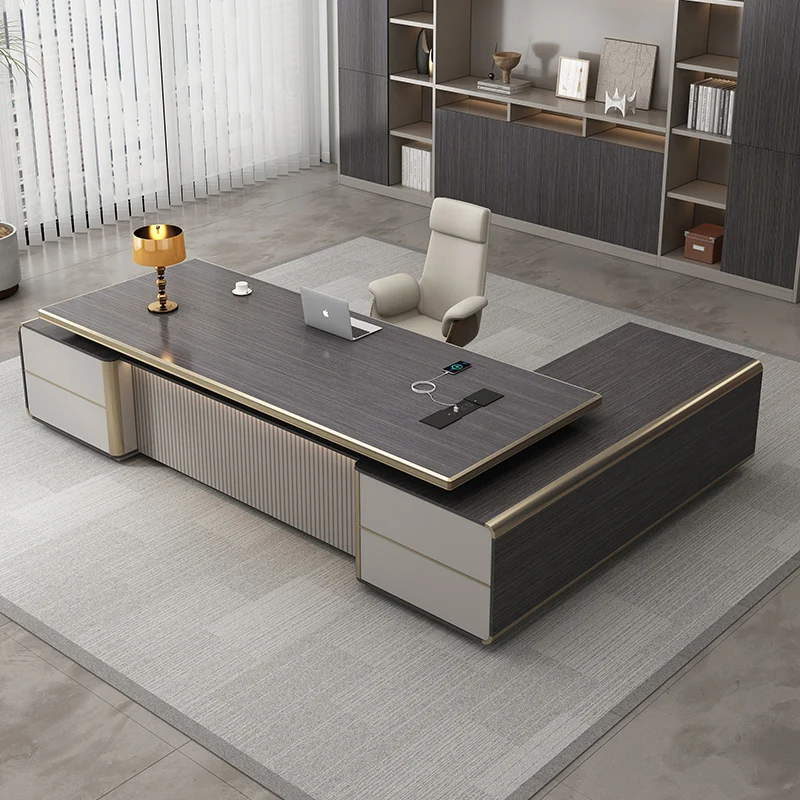

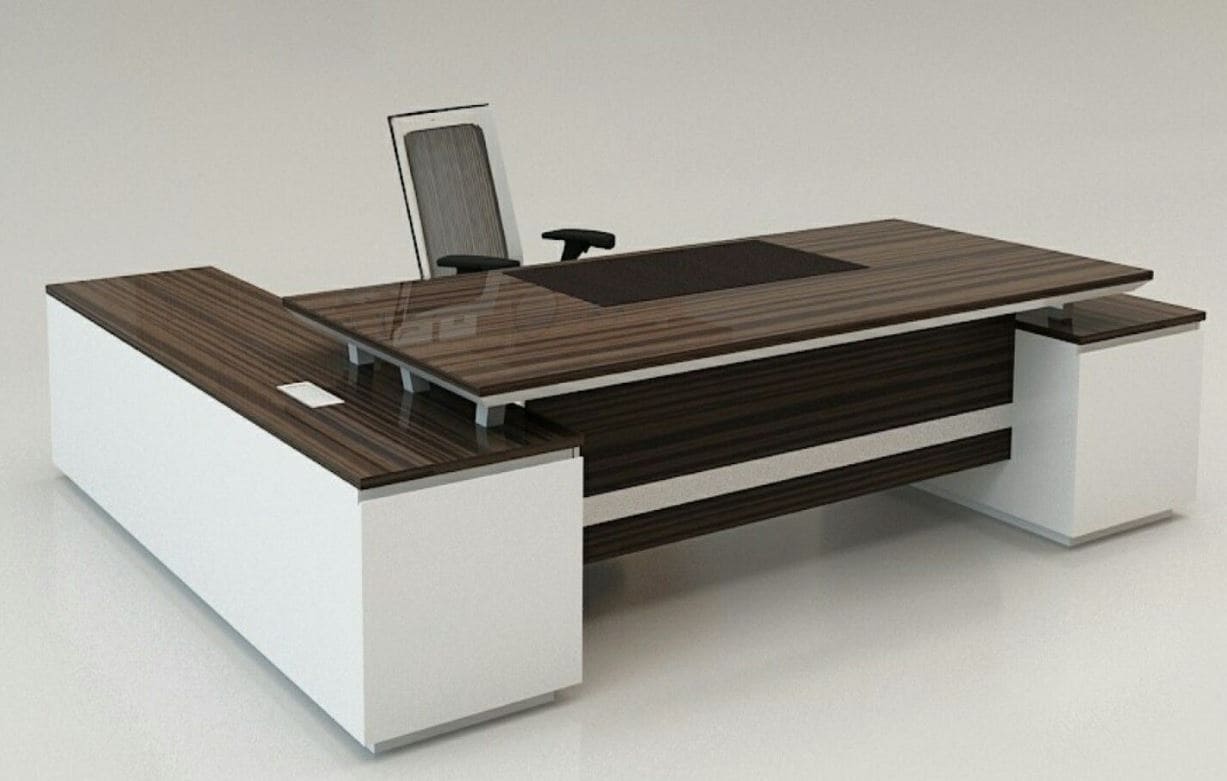
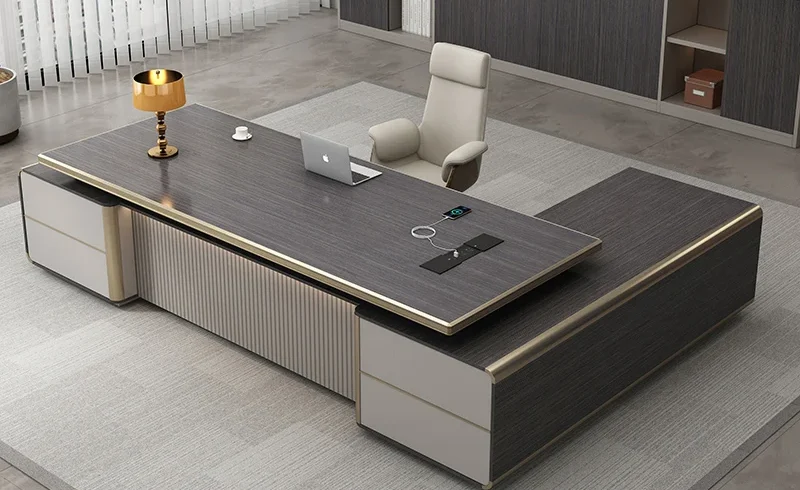
A well-planned workplace can influence productivity, communication, comfort, and employee satisfaction. Office cubicles provide a practical way to organize a busy workspace while giving employees a defined area for focused work. Unlike traditional open layouts where desks may be placed without clear separation, cubicles create individual work zones that help employees manage their daily responsibilities with greater concentration. They can also make better use of available floor space, which is especially important for businesses operating in growing commercial areas. From small startups to established corporate offices, a carefully planned cubicle arrangement can support different work styles while maintaining a professional appearance.
Modern workplaces require flexibility because employees rarely perform the same type of work throughout the day. Some tasks require quiet concentration, while others involve teamwork, meetings, calls, or collaboration. A suitable cubicle layout can accommodate these different requirements without making the office feel crowded. Businesses can select configurations based on the number of employees, available floor area, department requirements, and desired level of privacy. This makes cubicles more than simple workstation dividers. They can become an important part of workplace planning, helping companies create an environment where employees can work comfortably and efficiently.
Better Use of Available Office Space
Space management is one of the most important considerations when designing an office. Every square meter needs to serve a purpose, particularly when businesses want to accommodate more employees without making the environment uncomfortable. Cubicles can help organize workstations in a structured manner, allowing businesses to create clear pathways and defined employee areas. Instead of placing individual desks randomly across a room, a planned cubicle arrangement can provide a consistent layout that makes the office easier to navigate.
Different configurations can be selected according to the available space. Straight workstation layouts may work well in narrow rooms, while clustered arrangements can encourage communication between employees who frequently collaborate. Corner configurations can make practical use of areas that might otherwise remain unused. Companies can also combine workstations with storage units, pedestals, filing solutions, and shared tables to create a more complete workspace. Thoughtful planning ensures that employees have sufficient working room while the business makes efficient use of its office footprint.
Supporting Employee Privacy and Concentration
Open offices can encourage interaction, but they can also create distractions. Frequent conversations, movement, phone calls, and surrounding activity may make it difficult for employees to focus on tasks that require attention. Office cubicles provide a degree of visual separation without completely isolating workers from the rest of the team. This balance can be particularly useful for departments that spend much of the day working on computers, handling documents, managing customer information, or communicating with clients.
The height and design of workstation panels can influence the amount of privacy provided. Lower panels can maintain a more open atmosphere, while higher partitions can create greater visual separation. Businesses should consider the type of work being performed before selecting a particular configuration. Employees who regularly participate in calls or handle confidential information may benefit from more privacy, while creative or collaborative teams may prefer a more open arrangement. Choosing the right balance helps the workplace support concentration while preserving opportunities for communication.
Creating A Professional Business Environment
The appearance of an office can influence how employees, customers, and business partners perceive an organization. A disorganized workplace may appear inefficient, while a coordinated workstation arrangement can create a more professional impression. Cubicles are available in different materials, finishes, colors, shapes, and configurations, making it possible to develop an appearance that matches the company’s identity.
A professional office does not necessarily need to look formal or rigid. Contemporary designs can combine clean lines, practical storage, comfortable work surfaces, and attractive finishes. Businesses can select neutral tones for a traditional corporate environment or use subtle accent details to create a more distinctive appearance. Consistency is important because matching workstations and storage solutions can make the entire office feel planned rather than assembled piece by piece.
Choosing Materials That Suit Daily Use
Durability should be considered when selecting workplace furniture. Office workstations are used every day and need to withstand regular movement, computer equipment, paperwork, and general workplace activity. High-quality materials can help furniture maintain its appearance and functionality for longer periods.
Work surfaces should be large enough for the equipment employees regularly use. Computer monitors, keyboards, documents, stationery, and other accessories should fit comfortably without leaving the employee with an overcrowded desk. Panels should also provide suitable separation while supporting the overall stability of the workstation. Easy-to-maintain surfaces can be especially useful in busy offices because they allow cleaning teams to keep work areas presentable with minimal effort.
Storage is another important consideration. Employees often need space for files, office supplies, personal belongings, and documents. Integrated storage, mobile pedestals, overhead cabinets, and filing solutions can reduce clutter around the workstation. When frequently used items have dedicated storage spaces, employees can keep their desks organized and maintain a cleaner working environment.
Flexible Layouts for Growing Businesses
Business requirements can change quickly. A company may add employees, reorganize departments, introduce new teams, or change the way employees work. Furniture that can adapt to these changes offers greater long-term value. Modular workstation systems can often be rearranged when the office layout needs to change, helping businesses avoid replacing their entire furniture setup.
For growing companies, this flexibility can be particularly valuable. A business may initially require a small number of workstations but eventually need additional seating. A modular design can make expansion easier because new units can be incorporated into an existing layout. Similarly, when departments are moved, workstations can potentially be reconfigured instead of discarded. This approach can help businesses manage furniture investments more effectively over time.
Designing Workstations Around Different Teams
Not every department has the same workplace requirements. A finance team may need substantial storage and quiet work areas, while a sales department may require frequent communication and easy access to shared spaces. Human resources teams may need more privacy because they handle sensitive employee information. IT teams may require additional equipment space and convenient access to power and networking connections.
A successful office design considers these differences instead of applying one layout to every department. Workstation dimensions, panel heights, storage requirements, and seating arrangements can be adjusted according to each team’s responsibilities. This approach creates a workplace that feels purposeful and helps employees access the resources they need throughout the day.
Comfort Should Be Part of Workspace Planning
Furniture selection should not focus only on appearance. Employee comfort can affect how people experience the workplace during long working hours. Workstations should provide adequate legroom, suitable desk height, and enough surface area for normal tasks. Office chairs should also provide appropriate support and adjustment options.
Lighting deserves attention as well. A workstation positioned incorrectly in relation to windows or overhead lighting may create glare on computer screens. Planning the placement of desks and partitions can help reduce these issues. Adequate circulation space is equally important because employees should be able to move around their work areas without feeling restricted.
A comfortable office can create a more pleasant working environment and support employees throughout their daily routines. Combining appropriate furniture dimensions with thoughtful space planning allows businesses to address practical requirements without sacrificing visual appeal.
Combining Privacy With Collaboration
Modern offices need both individual focus and teamwork. A cubicle-based environment does not have to prevent collaboration. Shared meeting tables, breakout areas, discussion spaces, and collaborative zones can be positioned near workstation clusters. Employees can then move between focused work and group activities according to their responsibilities.
This combination can be especially effective for organizations with hybrid or flexible working practices. Individual workstations can provide dedicated areas for concentrated tasks, while shared spaces support meetings and team discussions. The result is a workplace that accommodates different activities without requiring every employee to work in the same type of environment throughout the day.
Planning A Cubicle Layout Before Buying Furniture
Careful planning can prevent common office design problems. Businesses should measure the available floor area and identify doors, windows, columns, electrical outlets, emergency exits, and other fixed features before finalizing a furniture arrangement. Employee numbers and departmental requirements should also be considered.
It is useful to think about future growth rather than designing only for current requirements. A layout that works perfectly today may become difficult to manage after several employees are added. Leaving appropriate circulation areas and considering modular configurations can make future changes easier.
Budget is another factor, but businesses should look beyond the initial purchase price. Durable furniture, efficient layouts, practical storage, and adaptable configurations may provide better long-term value than cheaper solutions that need frequent replacement. The goal should be to create a workspace that balances quality, functionality, appearance, and operational needs.
Building A Workplace Ready for the Future
The modern workplace continues to change as businesses adopt new technologies, flexible schedules, collaborative practices, and evolving employee expectations. Furniture needs to support these changes rather than restrict them. Well-planned cubicles can provide structure while allowing companies to adapt their workspace as requirements develop.
A successful office is not simply a collection of desks and chairs. It is an environment designed around the people who use it. From privacy and storage to communication and comfort, every element contributes to how effectively employees can perform their responsibilities. When workstation planning is approached strategically, businesses can create a workplace that looks professional while remaining practical for everyday use.
For organizations looking to create an organized, comfortable, and adaptable workspace, Modern desks and office cubicles can be considered when planning furniture solutions that balance functionality with contemporary workplace requirements. The right selection and layout can help businesses make better use of available space, support employee needs, and create a professional environment prepared for future growth.