


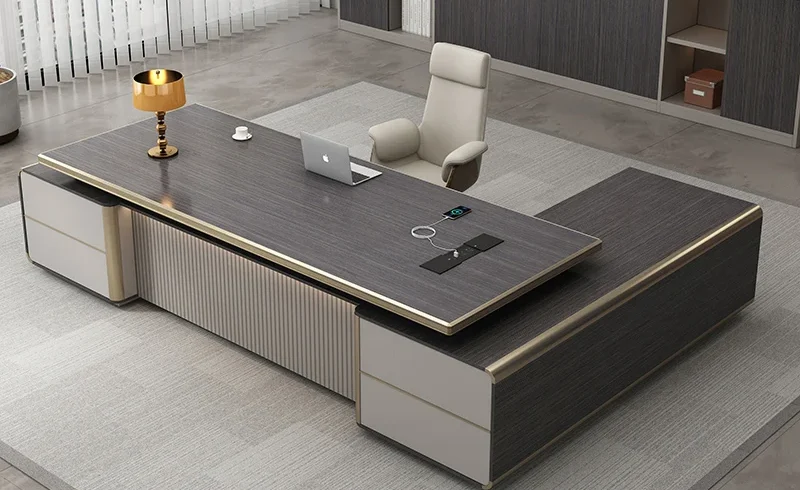
A productive office starts with a space that allows people to work comfortably and move through their daily responsibilities with ease. Office furniture is a central part of this process because it determines how employees use their work areas, where materials are stored, and how teams communicate. A suitable furniture arrangement can make an office feel organized while providing enough room for focused tasks and group activities. Businesses should consider the size of their workplace, the number of employees, the nature of their operations, and the expectations of visitors before choosing furniture. From individual desks and ergonomic chairs to storage cabinets and conference tables, every piece should contribute to a useful and well-planned environment.
Understand How Your Office Operates
Furniture selection should begin with an understanding of everyday business activities. Employees may need private areas for concentrated work, shared spaces for teamwork, and comfortable rooms for meetings. Reception staff require an accessible counter and suitable storage, while managers may need larger work surfaces for documents and equipment. Businesses should also consider which departments interact most often and how employees move between different areas. This information can help determine where desks, tables, storage units, and seating should be placed. A workplace designed around actual activities is usually easier to manage and more comfortable to use.
Choose Desk Designs Carefully
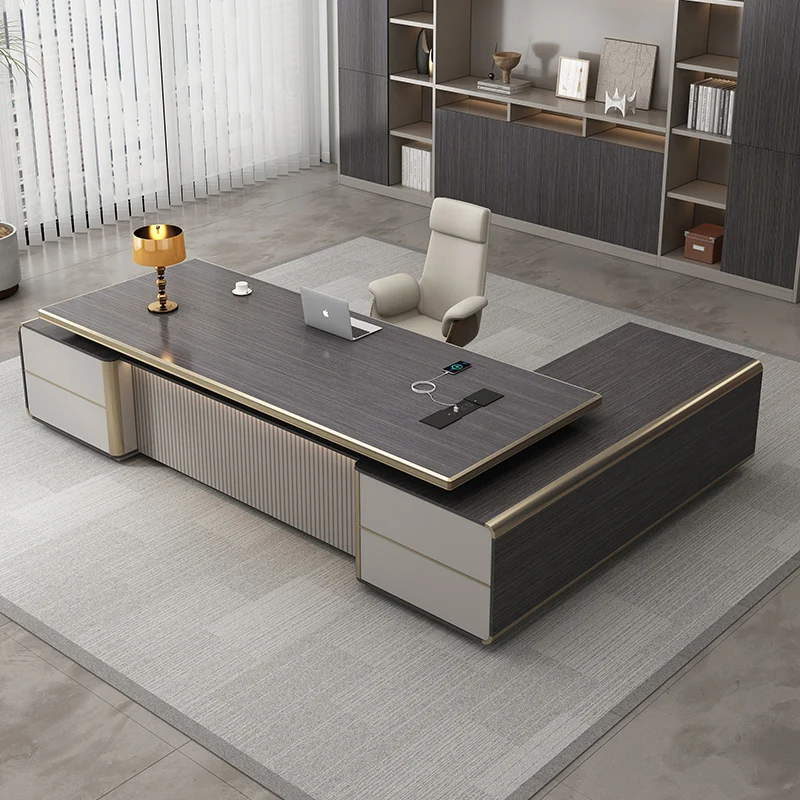
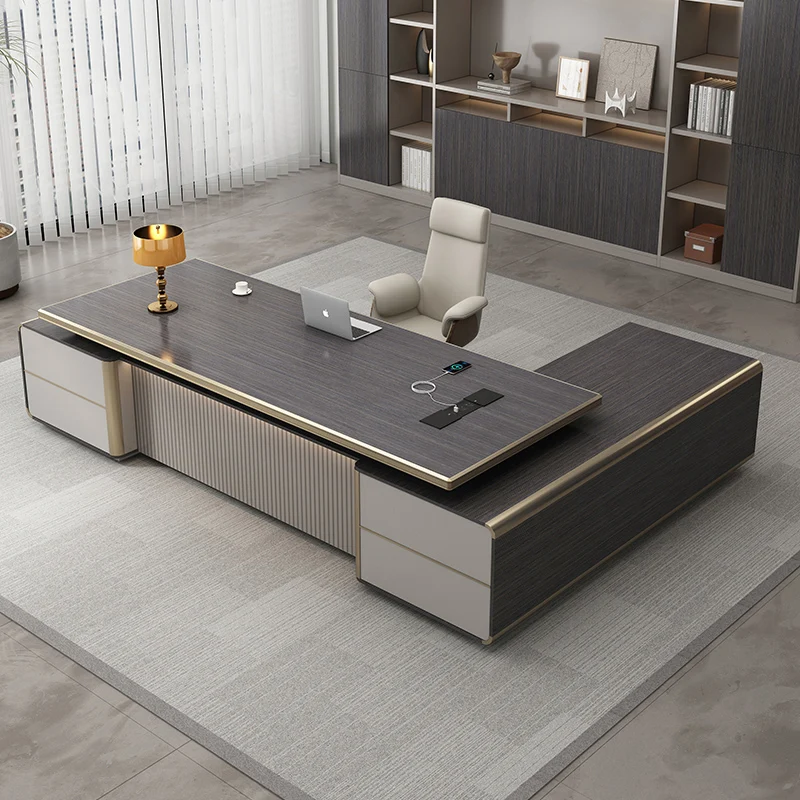
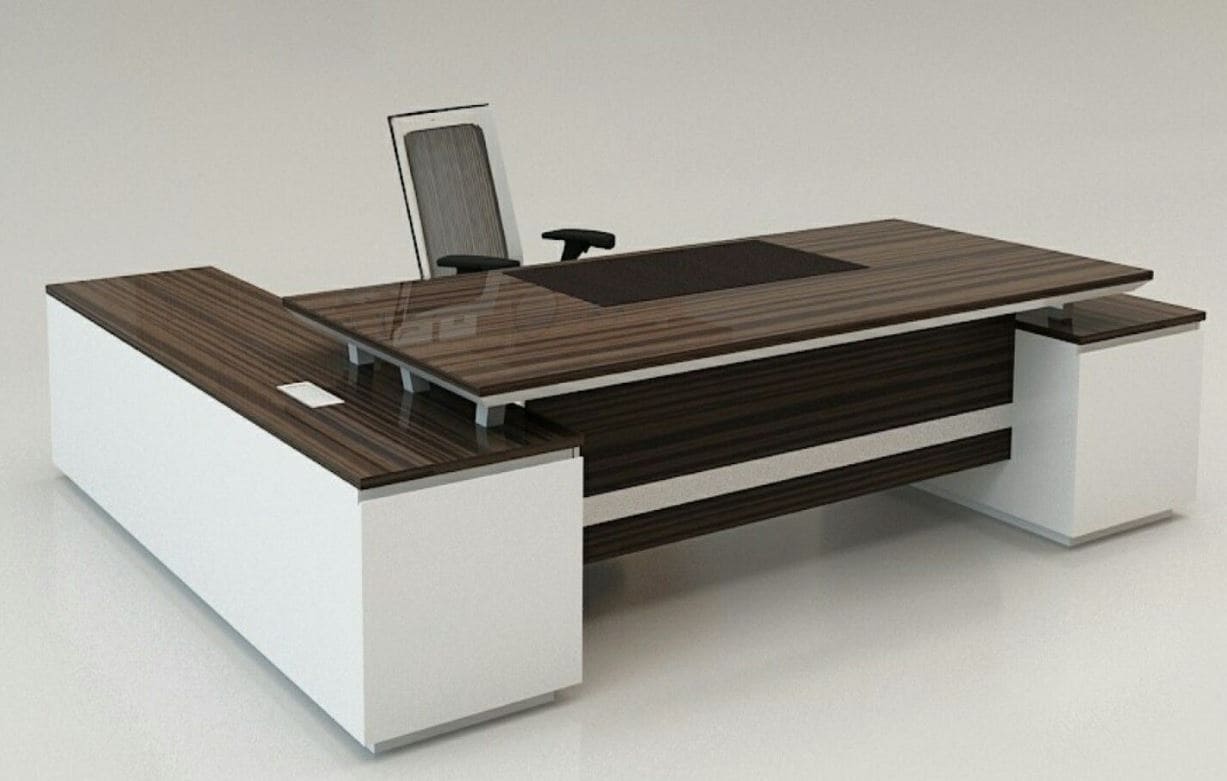
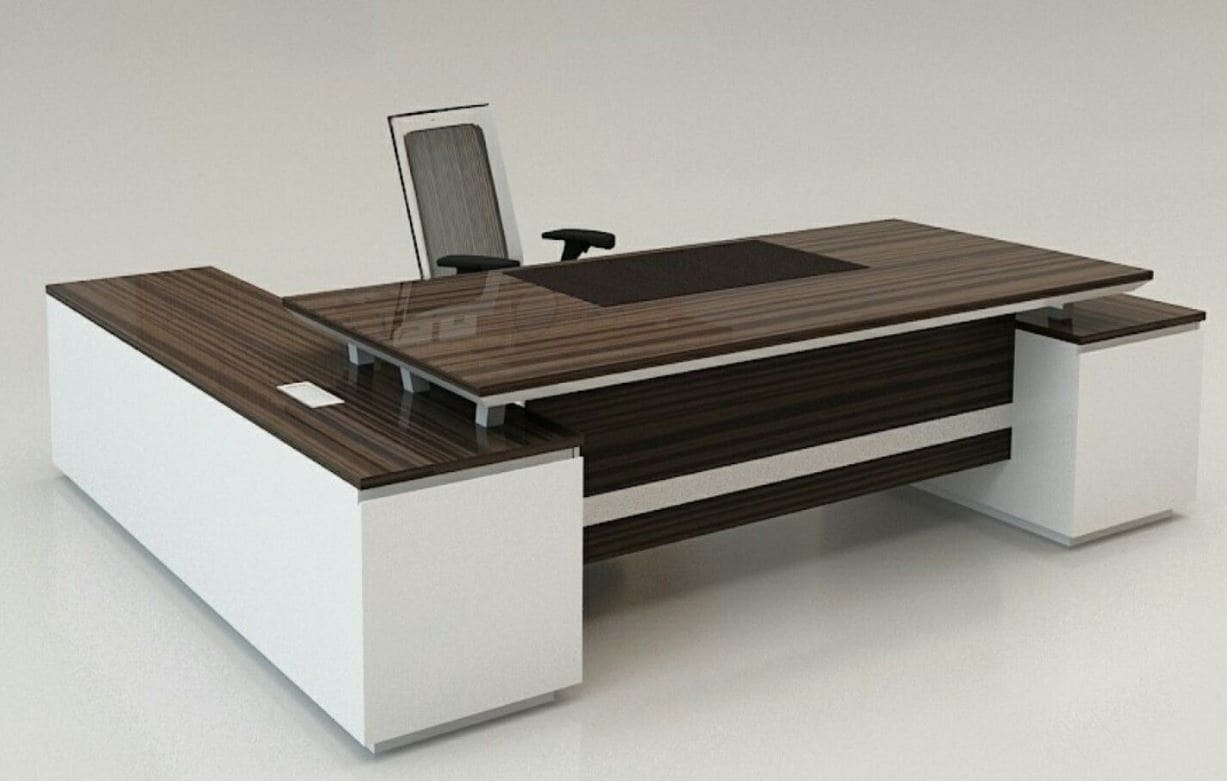
Desks are among the most frequently used items in an office, so their size and design should match employee requirements. A suitable desk should accommodate computers, monitors, paperwork, and other necessary equipment without leaving the workstation unnecessarily cramped. Employees with limited equipment may work well with compact desks, while creative or administrative roles may need larger surfaces. L-shaped desks can make use of corners, while shared workstation arrangements can support departments that communicate regularly. Selecting desks according to the tasks performed at them can improve both organization and available floor space.
Invest In Comfortable Workplace Seating
Seating has a direct effect on the everyday experience of employees and visitors. Task chairs should provide suitable support and allow employees to adjust their position when needed. Comfortable seating can be particularly important for workers who remain at their desks for extended periods. Meeting rooms should also provide chairs that remain practical during longer discussions. Reception seating should be welcoming while fitting naturally within the available space. Businesses can create a more comfortable environment by choosing seating based on the purpose of each area instead of using one chair style everywhere.
Arrange Furniture Around Natural Movement
The placement of furniture can influence how easily people move around the office. Employees should have clear routes between workstations, meeting rooms, storage areas, entrances, and shared facilities. Desks and cabinets should not create unnecessary bottlenecks. Furniture should also be positioned so that frequently accessed storage and equipment are easy to reach. Maintaining suitable circulation space can make a workplace feel more open and reduce interruptions during the working day. Even when floor space is limited, thoughtful positioning can create a more practical layout.
Improve Storage Across Work Areas
An effective storage system can help prevent paperwork and supplies from taking over desks and shared surfaces. Businesses can use filing cabinets for documents, pedestals for personal workstation storage, and cupboards or shelving for shared materials. Storage requirements may differ between departments, so businesses should consider what each team needs to keep nearby. Items used regularly should be easy to access, while archived or rarely used materials can be stored in less active areas. Proper storage can make cleaning easier and help maintain a more orderly workplace.
Create Dedicated Spaces For Team Discussions
Employees often need areas where they can exchange ideas without interrupting colleagues who are working independently. A dedicated collaboration space can support informal conversations, brainstorming, project planning, and quick team meetings. Small tables can work well for short discussions, while larger conference furniture can support formal gatherings. Comfortable chairs and flexible tables can allow the same space to serve different purposes. Giving teamwork its own area can create a better balance between collaborative activity and individual concentration.
Consider The Workplace Appearance
Furniture contributes significantly to the overall look of an office. Businesses should choose designs that complement their professional identity while maintaining practical functionality. Matching or coordinating desk finishes, storage units, chairs, and tables can make the environment feel more consistent. Modern workplaces may prefer simple forms and clean surfaces, while other businesses may choose warmer materials or more traditional designs. The most suitable style depends on the company, but appearance should always work alongside comfort and usability rather than replacing them.
Select Durable Furniture Materials
Everyday office use can place considerable pressure on furniture. Desks are used continuously, drawers are opened repeatedly, and chairs may be adjusted and moved throughout the day. Businesses should therefore pay attention to construction quality and material durability. Surfaces should be suitable for regular use, while hardware should operate reliably. Furniture that is easy to clean can also be valuable in shared environments. Investing in durable products can reduce the need for frequent replacement and help maintain a consistent office appearance over the years.
Make Small Offices Work Better
Compact workplaces require careful furniture planning because every square meter matters. Businesses can use appropriately sized desks, vertical storage, mobile pedestals, and multifunctional furniture to maximize available space. Corner areas can sometimes accommodate useful workstations, while movable tables can allow rooms to serve different purposes. Large furniture pieces should be avoided when they restrict movement or make the office appear crowded. A smaller workplace can still feel professional and comfortable when each piece is selected according to the room’s dimensions.
Plan A Practical Executive Office
An executive office often needs to accommodate working, storage, and private discussions in one area. A suitably sized desk can provide room for computers and documents, while cabinets can keep important materials organized. Guest chairs or a small meeting table can provide comfortable spaces for conversations. The furniture should fit the dimensions of the room rather than dominating it. A balanced arrangement can create an executive environment that looks professional while remaining practical for everyday business activities.
Give Attention To Reception Areas
Reception is one of the most visible areas of a business and should be both functional and welcoming. The reception desk needs to provide enough room for staff to handle their responsibilities while maintaining an organized appearance. Visitor chairs should be comfortable and positioned where guests can wait without blocking entrances or pathways. Storage can help keep supplies and documents out of sight. Thoughtful furniture selection can make the entrance feel professional and create a positive experience for clients, applicants, suppliers, and other visitors.
Design Meeting Rooms For Better Communication
A meeting room should support conversation without making participants feel restricted. The conference table should provide enough space for the expected number of people and allow room for laptops, documents, and other materials. Chairs should be comfortable during extended meetings, while sufficient clearance should remain around the table. The furniture arrangement should also allow participants to see and communicate with one another easily. A well-designed meeting room can support presentations, interviews, planning sessions, training, and client discussions.
Keep Future Business Changes In Mind
Workplace requirements rarely remain exactly the same for many years. Companies may add employees, reorganize teams, or change the way departments use their space. Flexible furniture can make these changes easier to manage. Modular workstations, movable tables, and mobile storage can be rearranged when requirements change. Businesses should consider future possibilities before finalizing their furniture purchases. Planning for adaptability can help protect the value of the investment and reduce the need for a complete office redesign later.
Support Different Ways Of Working
Employees may perform different tasks throughout the day, including focused computer work, group discussions, presentations, and informal conversations. A workplace with several types of furniture can provide suitable settings for these activities. Individual workstations can support concentration, while shared tables can encourage teamwork. Comfortable seating areas can provide alternative spaces for informal discussions. Creating variety within the office can give employees more suitable environments for different responsibilities without requiring a large increase in floor space.
Focus On Practical Workplace Organization
A professional office should remain easy to maintain after the furniture has been installed. Furniture placement, storage access, desk organization, and clear pathways all contribute to this goal. Employees should have convenient locations for the materials they use regularly. Shared storage should be clearly organized, while individual workstations should provide enough space for daily equipment. When furniture supports good organization, maintaining a neat workplace becomes easier and employees can spend more time concentrating on their responsibilities.
Think Beyond The Initial Purchase
Furniture should be evaluated according to its long-term usefulness rather than only its initial cost. Businesses should consider how well each product meets current needs, how durable it is, how easy it is to maintain, and whether it can remain useful if the workplace changes. A slightly higher initial investment may provide better value when the furniture lasts longer and performs reliably. Careful comparison can help companies avoid purchasing products that look appealing but do not provide the functionality needed for daily operations.
Create A Workplace Built For Productivity
A well-planned workplace brings together comfort, organization, accessibility, and professional design. Office furniture should support employees at every stage of their working day, from focused individual tasks to meetings and collaborative projects. Businesses that select furniture based on actual space and operational needs can create offices that are easier to use and maintain. Proper planning also allows companies to prepare for future growth while keeping the environment visually consistent. For organizations searching for practical furniture solutions, Office furniture express can be considered when developing a workplace that combines usability, comfort, and a professional business atmosphere.