





If you travel more than a few times a year, you eventually stop caring about flashy luggage trends. What matters is whether the bag survives baggage belts, airport rushes, rain, rough handling, and those moments when someone stuffs it into an overhead bin like they’re solving a puzzle.
That’s usually when people start paying attention to polycarbonate trolley bags.
A lot of travelers begin with cheaper luggage. Maybe fabric-based options, maybe basic hard cases that look premium online but crack after two trips. In practice, frequent flying exposes every weakness in a suitcase very quickly. Wheels loosen. Zippers fail. Corners dent. Handles wobble.
And honestly, airports are not gentle places anymore.
Why Frequent Flyers Usually Move Toward Hard Shell Luggage
There’s a reason seasoned travelers often prefer a good Hard body Trolley bag over softer luggage options. It’s mostly about protection and reliability.
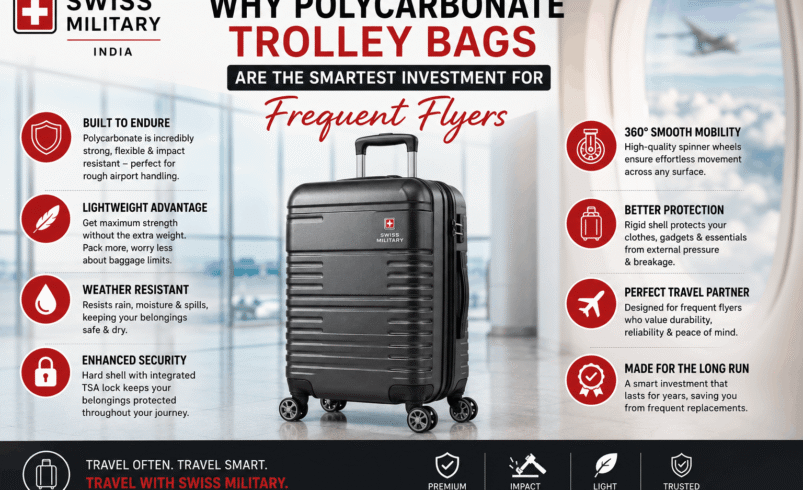
Polycarbonate, specifically, has changed the game a bit. Unlike older hard-shell materials that felt stiff and brittle, polycarbonate is flexible while still being strong. That combination matters more than people realize.
You can drop it. Stack weight on it. Drag it across uneven surfaces. It bends slightly instead of cracking immediately.
What surprises many first-time buyers is how lightweight modern polycarbonate luggage actually feels. People still assume “hard shell” means bulky and heavy. That used to be true years ago, not so much now.
For someone constantly catching flights, weight matters. Airlines keep getting stricter with baggage limits, and even one extra kilogram becomes annoying after a while.
Soft Bags Sound Convenient… Until the Travel Gets Rough
Now, to be fair, soft trolley bags still have advantages.
They’re flexible. They usually come with extra pockets. Some travelers love having quick-access compartments for chargers, documents, or snacks. If you travel mostly by car or train, they can work perfectly fine.
But airports are different.
Checked luggage goes through conveyor systems, gets stacked under pressure, dragged, tossed, and sometimes left out in unpredictable weather. That’s where soft shell trolley bags start showing their limitations.
Fabric absorbs moisture more easily. Corners wear out faster. Sharp objects inside can create pressure points. And after repeated use, soft luggage tends to lose its shape.
A polycarbonate shell handles that kind of stress better. Especially for electronics, fragile souvenirs, cameras, or even neatly packed clothes that you don’t want crushed by arrival.
People often notice this after international trips. Domestic travel is one thing. Long-haul airport handling is another level entirely.
Durability Isn’t Just About Surviving One Trip
This is the part many buyers overlook.
A suitcase isn’t really “durable” because it survives one vacation. The real question is how it performs after 20 flights.
Cheap luggage can look perfectly fine at first. Smooth wheels, decent zippers, glossy finish. But repeated travel exposes the quality differences very quickly.
Polycarbonate trolley bags tend to age better because the material absorbs impact instead of resisting it too rigidly. That flexibility helps reduce cracking.
You’ll still see scratches eventually, of course. No luggage stays perfect forever. But surface scratches are different from structural damage.
And honestly, frequent flyers usually stop caring about cosmetic scratches after a while. A scratched suitcase that still rolls smoothly is more valuable than a shiny one with broken wheels.
The Wheel Situation Matters More Than People Think
Nobody talks enough about luggage wheels until one stops working in an airport.
Then suddenly it becomes the only thing you can think about.
Frequent travelers spend a surprising amount of time pulling luggage through terminals, hotel lobbies, sidewalks, parking lots, and train stations. Poor wheels turn every journey into unnecessary effort.
Most premium polycarbonate trolley bags now come with 360-degree spinner wheels, and the difference is noticeable immediately.
The bag moves beside you instead of dragging behind you. Less strain on your shoulder. Less frustration in crowded airports.
In practice, this becomes one of those features you can’t really go back from once you experience it.
Weather Resistance Makes a Bigger Difference Than Expected
Travel rarely goes exactly as planned.
You land during rain. Your luggage sits on the tarmac longer than expected. Someone spills coffee nearby. Airport floors are wet. Things happen.
Soft shell trolley bags offer some resistance, but fabric eventually absorbs moisture. Over time, that can lead to odors, stains, or weakened material.
Polycarbonate hard-shell luggage handles wet conditions more confidently. Water doesn’t seep in as easily, which gives some peace of mind if you carry gadgets, documents, or important clothing.
Especially during monsoon travel or international layovers, that extra protection becomes useful.
Security Feels Better With Hard Shell Bags
There’s also a psychological factor people don’t mention often.
Hard-shell luggage simply feels more secure.
The rigid structure makes tampering harder compared to fabric bags with exposed pockets and softer surfaces. Many polycarbonate trolley bags also come with TSA-approved locks integrated into the design, which frequent international travelers appreciate.
Does that make them theft-proof? Of course not.
But they generally feel sturdier and more dependable in crowded airports where your luggage changes hands multiple times.
Are Polycarbonate Bags More Expensive? Usually, Yes
And this is where some buyers hesitate.
A good-quality Hard body Trolley bag costs more upfront than many soft luggage options. That part is true.
But frequent flyers often end up spending more replacing damaged cheaper bags every couple of years anyway.
It becomes one of those “buy once properly” situations.
If someone flies once every three years for vacations, maybe the investment doesn’t matter much. But if you travel regularly for work, family visits, business trips, or even short weekend flights, quality luggage starts paying for itself.
Not dramatically. Just practically.
Less repair. Less replacement. Less annoyance.
Choosing the Right One Still Depends on Your Travel Style
That said, there isn’t one perfect suitcase for everybody.
Some travelers genuinely prefer soft trolley bags because they like exterior storage and flexible packing space. Others prioritize lightweight designs above everything else.
But for frequent flyers — especially air travelers dealing with regular check-ins — polycarbonate luggage usually offers the better long-term balance between durability, protection, mobility, and weight.
It’s not really about looking premium.
It’s about reaching your destination without worrying whether your luggage survived the journey too.
And after enough airport experiences, that becomes surprisingly important.