





When a car starts losing power, burning more fuel, or making strange engine noises, many drivers quickly assume the worst. The first thought is usually engine replacement, which can be expensive and stressful. However, in many cases, the smarter option is engine reconditioning.
Engine reconditioning is a practical way to restore performance, improve reliability, and extend the life of a vehicle without replacing the full engine. For UK drivers, especially those using cars, vans, taxis, or work vehicles daily, it can be a cost-effective solution when handled by experienced professionals.
Understanding Engine Reconditioning
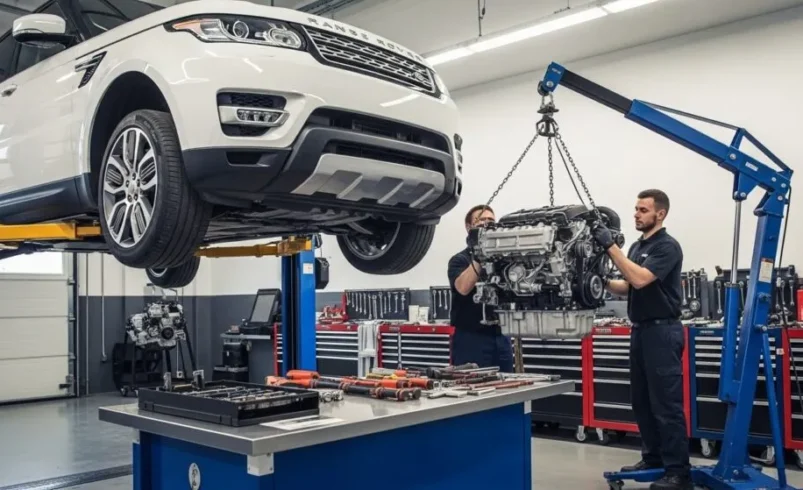
Engine reconditioning involves inspecting, repairing, cleaning, and replacing worn engine components so the engine can perform properly again. Instead of removing the entire engine and fitting a new one, specialists focus on restoring the existing engine where possible.
This may include work on pistons, valves, cylinder heads, bearings, gaskets, seals, and other important parts. The goal is to bring the engine back to a strong working condition while avoiding unnecessary replacement costs.
For drivers who want a deeper understanding of the process, this guide on professional engine reconditioning repair services in the UK explains why expert diagnosis and proper repair methods matter.
Common Signs Your Engine Needs Attention
Most engine problems do not appear suddenly. They usually start with small warning signs. The earlier these issues are checked, the better the chance of avoiding major damage.
Common signs include:
- Knocking or tapping sounds from the engine
- Smoke from the exhaust
- Oil leaks under the vehicle
- Rough idling or engine shaking
- Poor fuel economy
- Loss of power while driving
- Warning lights on the dashboard
- Repeated overheating
Ignoring these symptoms can turn a repairable issue into a serious engine failure. This is why many mechanics recommend checking problems early instead of waiting until the vehicle breaks down completely.
You can also learn more about how to spot engine problems early and what signs to watch for before the damage becomes more expensive.
Why Reconditioning Can Be Better Than Replacement
A full engine replacement can be costly, especially for modern vehicles with complex systems. Reconditioning allows drivers to keep the usable parts of the engine and repair only what is damaged or worn.
This makes it a sensible option for:
- Older vehicles still in good condition
- Commercial vans used for daily work
- Taxis and high-mileage cars
- Family cars with engine wear
- Vehicles where replacement parts are costly
In many cases, the bodywork, gearbox, suspension, and interior of the vehicle may still be in good shape. Reconditioning helps owners avoid replacing the entire vehicle just because the engine has developed problems.
Improved Performance and Reliability
A properly reconditioned engine can feel much smoother on the road. Drivers may notice better acceleration, reduced engine noise, improved fuel efficiency, and more reliable daily performance.
This is especially important for people who depend on their vehicle for work. A poorly running engine can lead to breakdowns, missed jobs, and unexpected repair bills. Reconditioning helps restore confidence in the vehicle and reduces the risk of repeated engine issues.
A Cost-Effective Option for Business Vehicles
For small businesses, delivery drivers, tradespeople, and fleet owners, vehicle downtime directly affects income. Replacing a vehicle or engine is not always realistic, especially when several vehicles are involved.
Engine reconditioning gives business owners a practical middle ground. It helps keep vehicles on the road longer while controlling repair costs. For vans and commercial vehicles, this can make a big difference in long-term running expenses.
Better for the Environment
Engine reconditioning is also a more sustainable choice. Instead of throwing away large engine components that can still be repaired, reconditioning gives them a second life.
This reduces waste, limits the need for new manufacturing, and helps drivers make a more responsible repair decision. For vehicle owners who care about both cost and environmental impact, reconditioning offers a balanced solution.
Choosing the Right Engine Specialist
The success of engine reconditioning depends heavily on the skill of the mechanic or repair centre. A proper inspection should be carried out before any work begins. The specialist should identify the root cause of the problem, explain the repair options clearly, and only recommend reconditioning when it makes sense.
A trusted engine specialist will not simply replace parts without diagnosis. They will check compression, leaks, overheating causes, oil condition, and overall engine health before suggesting the best solution.
Final Thoughts
Engine problems can feel worrying, but replacement is not always the only answer. For many UK vehicle owners, engine reconditioning offers a reliable, affordable, and practical way to restore performance and extend the life of a vehicle.
By acting early, choosing experienced professionals, and understanding the warning signs, drivers can avoid unnecessary costs and keep their vehicles running smoothly for longer.