






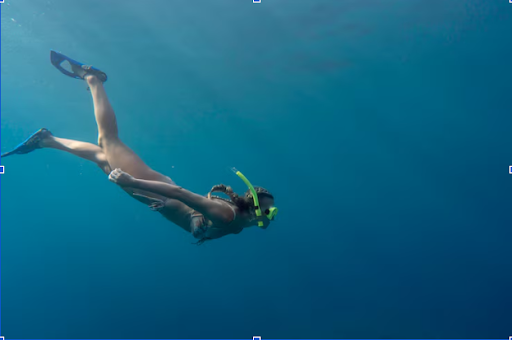
Koh Tao’s underwater world is one of the most celebrated in Southeast Asia — warm, clear water, healthy coral, and marine life dense enough to make every dive worthwhile. But the ocean around the island also carries risks that aren’t always well communicated to visitors, and one of the most important concerns jellyfish. Not all species are dangerous, but knowing the difference — and knowing when and where to be most cautious — is essential information for anyone getting in the water.
The presence of box jellyfish in Koh Tao waters has been documented, and while encounters aren’t an everyday occurrence, the consequences of a sting from certain species can be serious enough to warrant genuine attention.
Understanding the Species
Not all jellyfish sting equally. The moon jellyfish, common in Thai waters, produces a mild sting that causes temporary discomfort for most people. The box jellyfish — a name that covers a family of cnidarians rather than a single species — is a different matter entirely.
Box jellyfish are named for their distinctive cube-shaped bell and are regarded by marine biologists as among the most venomous animals on the planet. Their tentacles contain nematocysts capable of delivering venom that can cause intense pain, skin necrosis, cardiovascular complications, and in severe cases involving large envenomation, death. The Irukandji jellyfish, a small box jellyfish species found in Thai waters, is particularly concerning because its small size makes it nearly invisible in the water.
Research published in the journal Toxicon has documented the distribution of box jellyfish across the Gulf of Thailand, confirming their presence in the waters surrounding Koh Samui, Koh Phangan, and neighbouring islands including Koh Tao.
When Is the Risk Higher?
Box jellyfish sightings around Koh Tao tend to increase during certain months, typically during and after the monsoon season — between October and January. Calm, shallow waters near beaches are higher-risk environments than open ocean dive sites, and night swimming significantly increases the likelihood of contact because jellyfish are harder to spot.
Wind direction, rainfall, and ocean currents all influence jellyfish movement, which makes precise predictions difficult. However, paying attention to local conditions and recent sightings reports from dive operators is a practical first step.
How to Reduce Your Risk
There are sensible precautions anyone swimming or snorkelling around Koh Tao should consider:
-
Wear protective clothing. A full-length rash vest or wetsuit dramatically reduces the surface area exposed to tentacle contact. Most dive operators will already have you suited, but snorkellers should consider it too.
-
Avoid night swimming at the beach. Shallow water, low visibility, and warmer temperatures near shore create conditions that attract jellyfish.
-
Ask at your dive shop before entering the water. Local operators track sightings and are your best source of current information.
-
Shuffle your feet in shallow water. While primarily advice for stingrays, the habit of moving slowly and deliberately in low-visibility conditions applies broadly.
What to Do If You’re Stung
If you or someone in your group is stung, the response depends on the severity:
For a mild sting: rinse the affected area with seawater (not fresh water, which can trigger unfired nematocysts), remove any visible tentacle material without rubbing the skin, and apply a cold compress for pain relief.
For a suspected box jellyfish sting with significant pain, spreading redness, difficulty breathing, or cardiovascular symptoms: this is a medical emergency. Get out of the water immediately, keep the person calm and still, and seek medical attention as quickly as possible. Vinegar has historically been recommended to deactivate nematocysts, though recommendations vary by species; medical staff should be involved as quickly as possible.
Don’t Let This Put You Off
This information isn’t meant to discourage anyone from getting in the water. The vast majority of dives and snorkelling trips around Koh Tao pass without incident, and the island’s reefs are genuinely spectacular. The goal is to go in informed rather than surprised.
Dive operators who know the local waters well are your best resource for both advice and current conditions. For a thorough introduction to the marine environment — including what to watch for and how to stay safe — the team at koh tao jellyfish La Bombona Diving has current guidance based on what’s actually being seen in the water.
Conclusion
Jellyfish are part of the ocean ecosystem, and box jellyfish are a real presence in the Gulf of Thailand. The risk around Koh Tao is manageable with the right knowledge — understanding the species, the seasonal patterns, and the basic precautions turns a potential hazard into something you can prepare for rather than stumble into. Go in with eyes open, dress appropriately, and ask the locals. The reef is absolutely worth it.