






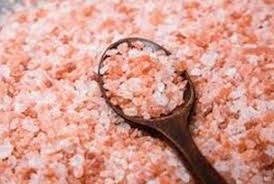
Rising Popularity of Himalayan Pink Salt Worldwide
Himalayan pink salt has become one of the most recognized natural products exported from Pakistan. Its attractive pink appearance and mineral-rich composition have made it highly popular in homes, restaurants, and wellness industries across the world. As more consumers shift toward organic and natural products, the demand for pink salt has increased significantly. This strong market demand has played a major role in shaping the pink salt price in Pakistan and has strengthened the country’s position in the global salt industry.
Geological History and Natural Mineral Benefits
Pink salt was formed millions of years ago through natural geological activity beneath the earth’s surface. Large reserves of this salt are mainly located in the Punjab region, particularly within the famous Khewra salt ranges. The salt contains trace minerals that give it a unique pink color and distinctive texture. Because of its natural purity and rare appearance, many buyers consider it a premium alternative to ordinary table salt, which contributes to its growing commercial value.
Mining Operations and Production Expenses
The extraction of pink salt involves complex mining activities that require proper planning, labor, and machinery. Workers carefully remove salt blocks from underground layers while preserving their natural quality. Mining companies also spend on equipment maintenance, transportation systems, and worker safety measures. These operational costs create the initial pricing structure before the product moves toward processing facilities and commercial markets.
Processing Methods and Product Refinement
After extraction, pink salt undergoes different processing stages depending on its intended purpose. Raw crystal salt generally remains the most affordable option because it requires limited handling. However, refined salt prepared for cooking use is cleaned, crushed, and packaged, which increases production expenses. Some products are also processed according to export standards and quality certifications. These extra procedures directly influence the pink salt price in Pakistan across different product categories.
Transportation and Supply Chain Challenges
Transportation is another major factor that affects market prices. Since mining areas are located in specific regions, pink salt must be distributed across Pakistan through large transportation networks. Fuel prices, logistics planning, storage facilities, and delivery systems all contribute to rising costs. Once the product reaches wholesalers and retailers, additional profit margins increase the final retail price for consumers in urban markets.
Packaging and Branding Influence on Prices
Packaging has become an important part of the pink salt industry because it affects both presentation and customer trust. Loose pink salt sold in traditional markets is often cheaper because it involves minimal packaging expenses. In contrast, branded products come in sealed containers or premium packets with labels and certifications. These packaging features improve product appearance and hygiene standards but also increase manufacturing costs, making branded products more expensive than unbranded varieties.
Regional Price Variations Across Pakistan
The price of pink salt differs between regions due to transportation expenses and local market demand. Areas located near mining sites usually offer lower prices because delivery costs remain minimal. However, major cities such as Lahore, Karachi, and Islamabad often experience higher prices due to additional logistics and retail expenses. Urban consumers also have access to premium-quality products with advanced packaging, which further increases the overall price range in these cities.
Export Demand and International Market Pressure
Pakistan exports large quantities of pink salt to countries in Europe, Asia, and North America. International consumers often view Himalayan pink salt as a luxury natural product, which creates strong global demand. When export orders increase, more supply is directed toward foreign markets, reducing availability within Pakistan. This export pressure can significantly increase the pink salt price in Pakistan as domestic markets compete with international buyers.
Expanding Applications Beyond Kitchen Use
Pink salt is no longer used only for food preparation. It has gained popularity in wellness and decorative industries as well. Products such as bath salts, spa items, skincare treatments, and salt lamps have created additional demand for this natural mineral. These products require further shaping, polishing, and packaging processes, which raise production costs and contribute to the increasing market value of pink salt.
Consumer Awareness and Shopping Trends
Modern consumers are becoming more aware of product quality, packaging standards, and price comparisons. Many buyers now research products online before making purchasing decisions. This growing awareness has increased competition among brands and retailers, encouraging better quality control and pricing strategies. However, attractive packaging and trusted brand names still strongly influence customer choices, especially among urban buyers seeking premium products.
Future Outlook for Industry Growth and Stability
The future of the pink salt industry in Pakistan appears promising due to rising international demand for natural and organic products. Improvements in mining technology and transportation systems may help reduce operational costs in the future. However, factors such as inflation, fuel prices, and export regulations will continue influencing market trends. Industry experts expect steady growth as global demand for Himalayan pink salt continues to rise.
Final Perspective on Market Dynamics and Product Value
In conclusion, the pink salt price in Pakistan is shaped by multiple factors including mining operations, processing methods, transportation costs, packaging quality, and export demand. Every stage in the supply chain adds value to the final product, making refined and branded varieties more expensive than raw crystal salt. Understanding these market dynamics helps consumers make informed purchasing decisions while recognizing the economic significance of Pakistan’s globally admired pink salt industry.