






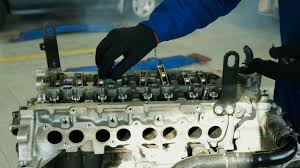
Transmission problems can make a car feel weak, rough or unsafe. The transmission is responsible for sending power from the engine to the wheels, so when it starts to fail, you usually feel it while driving. Gear changes may become slow. The car may jerk. You may hear whining or grinding noises. Sometimes, the first sign is simply that the car does not feel as smooth as it used to.
The important thing is not to wait too long. Gearbox faults often become more expensive when ignored. If your car is slipping gears, leaking fluid or struggling to change smoothly, booking a transmission repair service can help find the issue before serious damage happens.
What Does the Transmission Do?
The transmission controls how engine power reaches the wheels. In a manual car, this works with the clutch and gear lever. In an automatic car, it uses fluid pressure, sensors and internal parts to change gears for you.
Whether manual or automatic, the transmission needs clean fluid, healthy parts and correct adjustment. If one part starts to fail, the whole driving feel can change.
Slipping Gears
Gear slipping means the car cannot stay in the correct gear. In an automatic, the engine may rev but the car does not accelerate properly. In a manual, the car may jump out of gear or feel like it is not holding power.
This can be caused by low fluid, worn clutch parts, internal gearbox wear or electronic faults. Slipping should always be checked quickly because it can create more heat and wear inside the system.
Rough or Delayed Gear Changes
A healthy transmission should change gears smoothly. If your car jerks, clunks or hesitates when changing gear, something may be wrong.
Automatic cars may take too long to move from park to drive. Manual cars may feel stiff when selecting gears. These signs may be caused by worn parts, dirty fluid, clutch issues or gearbox damage.
The sooner you get it checked, the better your chances of avoiding a major repair.
Transmission Fluid Leaks
Transmission fluid is vital. It lubricates, cools and helps the gearbox work properly. If you see red, brown or oily fluid under the car, do not ignore it.
Low fluid can cause overheating and internal damage. Even a small leak can become serious if the fluid level drops too far. Fixing a leak early is often much cheaper than repairing a damaged gearbox.
Strange Noises From the Gearbox
Whining, humming, grinding or clunking noises can all point to transmission trouble. The sound may happen when changing gear, accelerating or driving at certain speeds.
Noise can come from worn bearings, damaged gears, low fluid or other internal parts. A professional inspection can help identify the source before the problem spreads.
Warning Lights and Fault Codes
Modern vehicles often store fault codes when the transmission is not working properly. Some cars show a gearbox warning light, while others may only show a general engine warning light.
A diagnostic scan can help find electronic faults, sensor issues, pressure problems or control module errors. This is especially useful for automatic transmissions.
Repair or Replacement?
Not every transmission problem means the gearbox needs replacing. Some issues can be solved with fluid service, leak repair, sensor replacement, clutch work or smaller mechanical fixes.
Replacement or rebuild may only be needed when internal damage is serious. A good garage will inspect the fault first and explain your options clearly.
Why You Should Act Early
Transmission repairs can become expensive if ignored. A leak, worn mount or minor shifting issue may be manageable at the start. Left too long, it can damage internal parts and increase the final cost.
A faulty transmission can also affect safety. Hesitation at junctions, slipping during acceleration or sudden gear changes can make driving risky.
Final Thoughts
Your transmission plays a major role in how your car drives. If you notice slipping gears, rough changes, leaks, warning lights or strange noises, take action early.
A proper inspection can separate small faults from serious ones and help you choose the right repair before the gearbox suffers more damage.