





A productive office requires furniture that supports employee comfort, organization, and professional appearance. The right Office table design can improve the way people work by creating a structured environment where employees can focus on their responsibilities. Businesses today understand that office furniture is not only about appearance but also about creating functional spaces that encourage efficiency and better performance.
An office table is one of the most important elements in any workplace because employees use it throughout the day for various activities. From managing documents and operating computers to attending online meetings and completing daily assignments, a properly designed table helps make work easier and more organized.
Modern workplaces require furniture that matches changing business needs. Companies are choosing designs that offer flexibility, durability, and comfort while maintaining an attractive office appearance. Whether the goal is to design a corporate office, startup workspace, or professional home office, selecting suitable tables can create a more effective working atmosphere.
Selecting Office Tables According to Workplace Requirements
Every business has different furniture needs based on its industry, office size, and employee structure. Choosing the right office table requires understanding how the workspace will be used and what features are necessary for daily operations.
A well-planned office table should provide enough room for essential items such as computers, monitors, notebooks, and other workplace accessories. It should also support proper organization so employees can keep their work areas clean and efficient.
Businesses should consider the available office space before selecting furniture. Large offices may require complete workstation arrangements, while smaller workplaces may benefit from compact designs that maximize available space. The right choice helps create a comfortable layout without making the office feel crowded.
Customized office tables have become a popular option for businesses because they offer solutions based on specific requirements. Companies can select dimensions, storage options, materials, and finishes that match their workplace design and operational needs.
Exploring Different Office Table Designs for Professional Spaces
Office furniture comes in various styles, and each design serves a different purpose. Selecting the right table type can improve workplace functionality while enhancing the overall interior appearance.
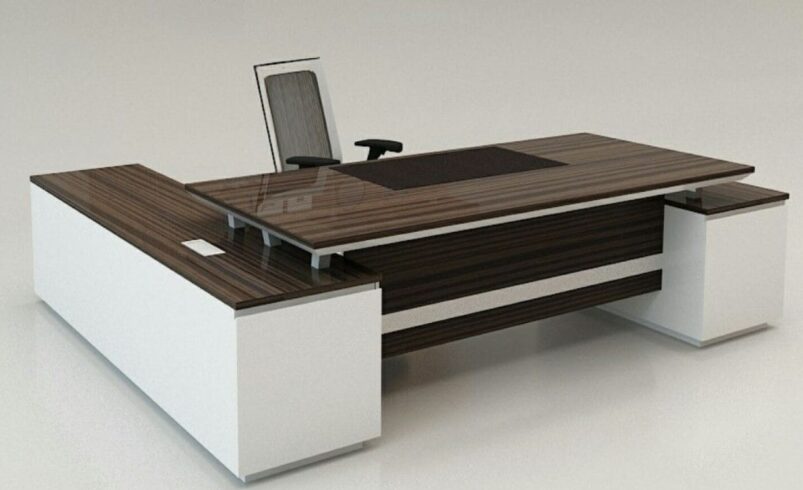
Executive tables are commonly used in management offices and professional spaces. They provide a sophisticated look and offer enough surface area for administrative work, meetings, and important discussions. Their premium appearance helps create a strong professional impression.
Workstation tables are suitable for offices where employees work in teams. These tables help organize multiple employees within a shared environment while maintaining personal workspace. Many modern workstation designs include practical features such as cable management, partitions, and storage solutions.
Conference tables are important for meeting rooms where business discussions and presentations take place. A comfortable and stylish meeting table creates a professional environment for communication between employees, clients, and business partners.
Collaborative office tables are also becoming popular in modern workplaces. They support teamwork, creativity, and group discussions, making them suitable for companies that value cooperation and flexible working methods.
Why Ergonomic Office Tables Matter in Modern Workplaces
Employee comfort has become a major focus for businesses because workplace conditions directly influence productivity. Spending long hours at an uncomfortable desk can affect concentration and overall work performance.
An ergonomic office table provides a comfortable working position by offering suitable height, enough workspace, and proper support for office equipment. These features allow employees to maintain better posture and complete their tasks more comfortably.
A thoughtfully designed workstation can also improve employee satisfaction. When workers have furniture that supports their daily activities, they are more likely to remain focused and productive.
Adjustable office tables are gaining attention because they allow employees to personalize their workspace. These designs provide flexibility and help create healthier working habits by allowing users to adjust their preferred working position.
Choosing Strong and Attractive Materials for Office Tables
The material used in an office table affects its durability, appearance, and long-term value. Businesses should select materials that provide strength while matching the desired office style.
Wooden office tables remain a popular choice because they create a professional and welcoming atmosphere. They are available in different finishes and designs, making them suitable for various office interiors.
Metal office tables are preferred for their durability and reliable performance. They are ideal for workplaces that require strong furniture capable of handling frequent use.
Modern office designs often include glass and mixed-material tables to create a stylish appearance. These options are commonly used in meeting rooms and executive areas where businesses want to create an elegant impression.
The finishing quality of office furniture also plays an important role. High-quality surfaces and well-designed structures improve the overall appearance and help maintain a professional workspace.
Creating Efficient Office Layouts Through Smart Planning
Office furniture placement has a major impact on workplace efficiency. Even high-quality tables cannot provide maximum benefits if the layout is not planned properly.
Businesses should evaluate their available space before arranging office tables. A good layout should allow employees to move comfortably while providing easy access to shared areas and essential facilities.
Flexible furniture arrangements are becoming increasingly important because businesses often experience growth and change. Modular office tables allow companies to adjust their workspace according to new requirements without completely replacing their furniture.
Storage organization is another important consideration. Tables with drawers, cabinets, and cable management features help reduce clutter and create cleaner workstations.
A well-organized office layout improves communication, saves space, and creates a more comfortable environment for employees and visitors.
Improving Company Image Through Professional Office Furniture
Office furniture represents the identity and professionalism of a business. The design and quality of workplace furniture can influence how clients and visitors perceive a company.
A carefully selected office table design can complement the interior style and create a consistent workplace appearance. Businesses can choose simple designs for modern offices or more elegant options for formal corporate environments.
Furniture also affects employee experience. Attractive and comfortable workspaces can encourage creativity, improve teamwork, and create a positive workplace culture.
A professional office setup demonstrates that a company values quality and pays attention to important details. Investing in suitable furniture helps create a workplace that supports both employees and business goals.
Future Developments in Office Table Design
Office furniture trends continue to change as businesses adopt new technologies and flexible working methods. Future office tables will focus on smart features, adaptability, and sustainable materials.
Modern tables are increasingly being designed with technology support, including charging options and improved cable organization. These features help employees manage digital devices more effectively.
Sustainable furniture choices are also becoming more important as companies look for environmentally responsible solutions. Durable materials and long-lasting designs provide better value while supporting responsible business practices.
Flexible office furniture will continue to grow in popularity because businesses need workspaces that can adapt to changing requirements. Tables that support multiple working styles will remain an important part of modern office planning.
Conclusion
Choosing the right office table requires careful consideration of design, comfort, functionality, and workplace needs. A quality table improves organization, supports employee productivity, and creates a professional office environment. Businesses searching for reliable furniture options can explore Modern office table designs to develop workspaces that combine style with practical performance.
The right office furniture investment helps companies build better working environments where employees feel comfortable and motivated. With proper planning and suitable designs, office tables can become an essential part of creating successful, efficient, and modern workplaces.