






Energy efficiency has become a critical priority for industries, commercial buildings, and infrastructure projects seeking to reduce operating costs and improve electrical performance. One of the most effective ways to achieve this is through intelligent power factor control. Poor power factor can lead to higher energy losses, increased demand charges, and unnecessary stress on electrical equipment. Modern power factor correction technologies automatically optimize reactive power compensation, helping facilities operate more efficiently. By combining intelligent control systems with reliable electrical infrastructure, organizations can enhance power quality, lower energy expenses, and support long-term sustainability goals.
Understanding Power Factor
Power factor is a measure of how effectively electrical power is being used. It compares the useful power consumed by equipment with the total power supplied by the electrical system.
A low power factor typically results from inductive loads such as:
- Motors
- Transformers
- Compressors
- Pumps
- HVAC systems
- Industrial machinery
When the power factor is low, the system draws additional reactive power, increasing current flow and creating avoidable energy losses.
Why Power Factor Correction Matters
Improving power factor provides several operational and financial benefits.
Key advantages include:
- Lower electricity costs
- Reduced line losses
- Improved voltage stability
- Increased system capacity
- Reduced equipment heating
- Better overall power quality
Facilities that maintain a high power factor often experience more efficient electrical distribution and improved equipment performance.
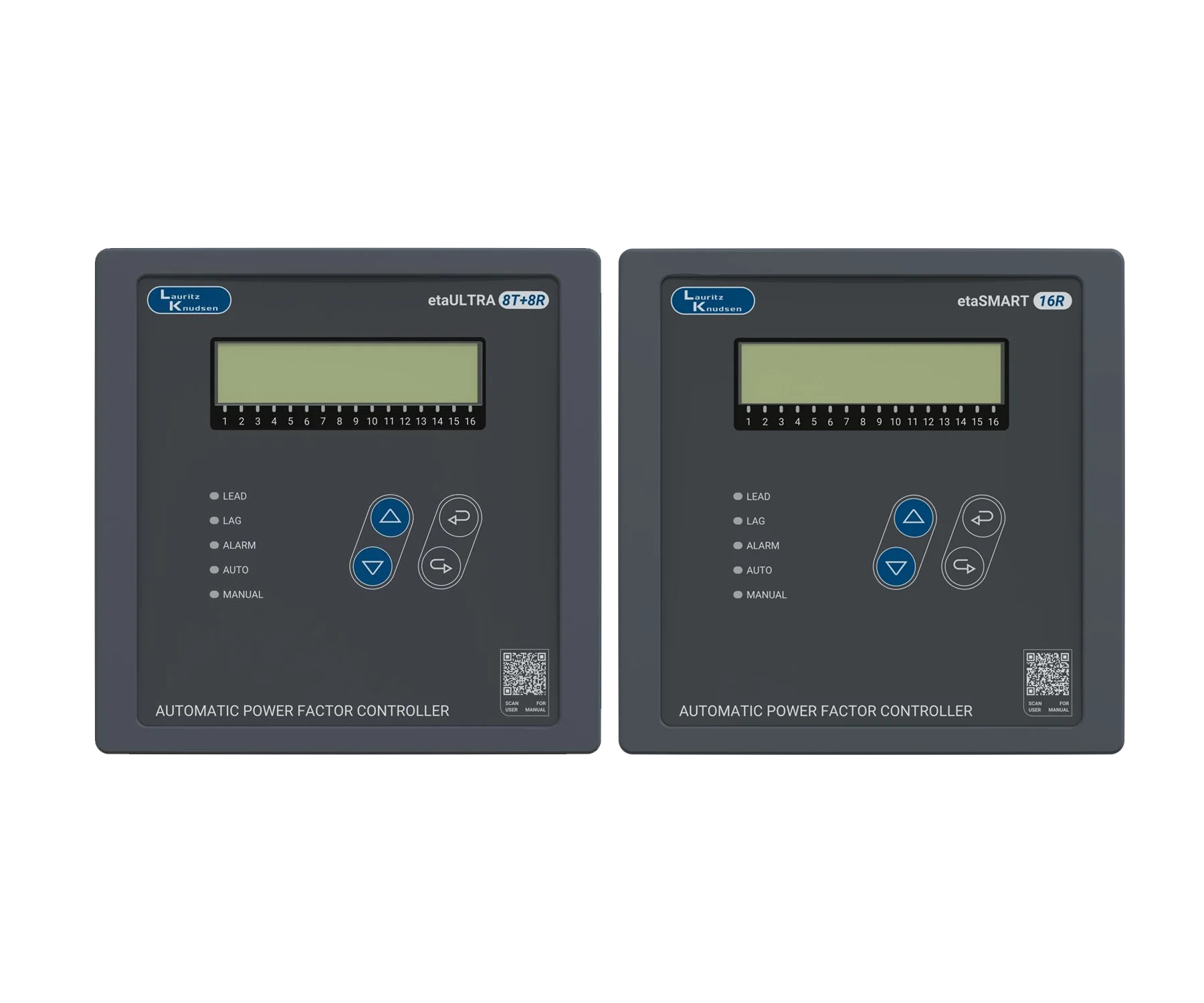
What Is an Intelligent Power Factor Control System?
An intelligent power factor control system automatically monitors electrical conditions and adjusts capacitor banks to maintain the desired power factor.
At the center of this system is the automatic power factor control relay, which continuously measures system parameters and determines when additional capacitors should be connected or disconnected.
This automated approach ensures that reactive power compensation remains optimized even as electrical loads change throughout the day.
How Automatic Power Factor Control Works
The control process follows several simple steps:
- The relay measures voltage, current, and power factor.
- It compares the actual power factor with the target value.
- If correction is required, capacitor stages are switched on or off.
- The system continuously adjusts compensation as load conditions change.
- Optimal power factor is maintained automatically.
Because the system responds in real time, it helps prevent both under-compensation and over-compensation.
Benefits of Intelligent Power Factor Control
1. Reduced Energy Costs
A low power factor increases the apparent power drawn from the utility supply. Intelligent correction minimizes unnecessary reactive power, helping reduce electricity bills and demand-related charges.
Using an automatic power factor control relay allows facilities to maintain efficient compensation without constant manual adjustments.
2. Improved Equipment Efficiency
Excess current caused by poor power factor can increase heating in cables, transformers, and switchgear.
Proper correction helps:
- Reduce conductor losses
- Lower equipment temperatures
- Improve transformer utilization
- Extend equipment lifespan
3. Better Voltage Regulation
Reactive power can cause voltage drops across the electrical network. Intelligent compensation helps stabilize voltage levels, improving the performance of connected equipment.
This is especially valuable in facilities with large motor loads or fluctuating demand.
The Role of Reliable Electrical Infrastructure
Effective power factor correction requires more than just capacitors. It also depends on dependable switching and distribution equipment capable of handling changing load conditions safely.
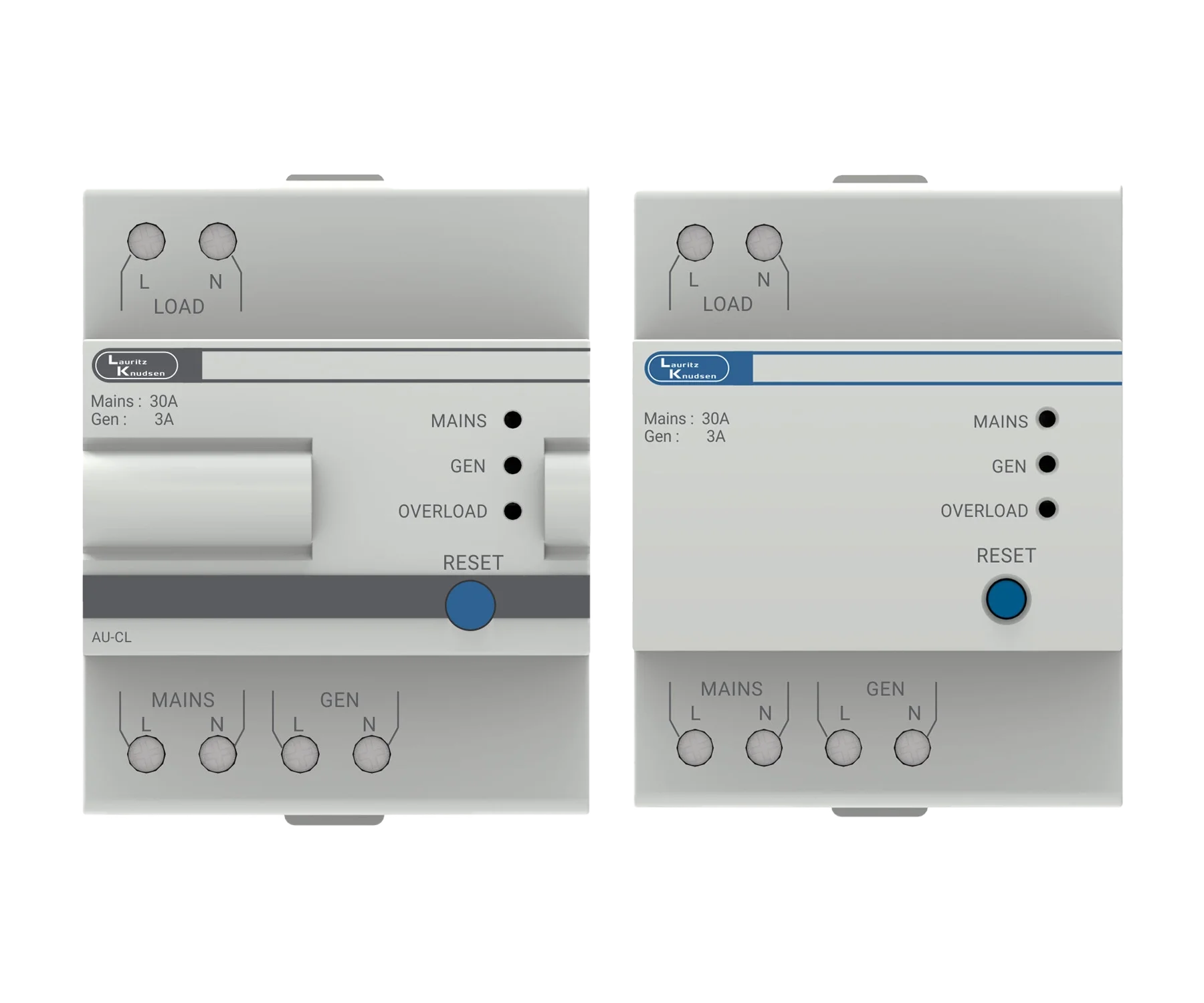
ACCL electrical solutions are commonly used in applications where reliable load switching and operational flexibility are important components of the overall power management strategy.
When integrated with intelligent power factor control systems, ACCL electrical infrastructure helps support safe and efficient electrical operation.
Choosing the Right Power Factor Control System
Several factors should be evaluated before selecting a system.
- Load Characteristics
Understanding whether loads are constant, variable, or highly fluctuating helps determine the appropriate capacitor configuration.
- Target Power Factor
Most facilities aim to maintain a power factor close to unity while avoiding excessive compensation.
- Switching Capability
The control system should be capable of responding quickly to changing load conditions.
- System Integration
Proper coordination between capacitors, switching devices, and protection equipment ensures reliable operation.
- Monitoring Features
Modern automatic power factor control relay solutions often include digital displays, alarms, communication interfaces, and data logging capabilities.
Best Practices for Maintaining Power Factor Systems
Regular maintenance helps ensure consistent performance and long equipment life.
Recommended practices:
- Inspect capacitor banks periodically.
- Check electrical connections for overheating.
- Verify relay settings.
- Monitor harmonic levels.
- Test switching devices during scheduled maintenance.
- Replace damaged components promptly.
Preventive maintenance helps avoid unexpected failures while maintaining optimal energy efficiency.
Future Trends in Power Factor Management
Industrial energy management is becoming increasingly intelligent and data-driven.
Emerging developments include:
- Real-time energy analytics
- Remote monitoring
- Predictive maintenance
- Cloud-based power management
- Automated optimization algorithms
- Integration with smart building platforms
These technologies provide greater visibility into electrical performance and help organizations continuously optimize energy usage.
As facilities adopt more advanced digital infrastructure, intelligent power factor control will become an even more important component of efficient power management.
Building a More Efficient Electrical System
An effective energy efficiency strategy combines multiple elements:
- Accurate power factor monitoring
- Automatic reactive power compensation
- Reliable switching infrastructure
- Preventive maintenance
- Continuous performance analysis
- Energy optimization planning
By integrating an automatic power factor control relay with dependable ACCL electrical infrastructure, organizations can reduce energy losses, improve equipment performance, and create a more efficient electrical network.
Conclusion
Intelligent power factor control is a practical and effective way to improve energy efficiency, reduce operating costs, and enhance overall electrical system performance. Automated compensation systems continuously adjust to changing load conditions, helping facilities maintain optimal power quality while minimizing unnecessary energy losses. Combining advanced control technology with reliable ACCL electrical infrastructure creates a stronger foundation for efficient power management across industrial, commercial, and infrastructure applications. With a legacy spanning more than 70 years, a robust manufacturing footprint, and a commitment to powering India’s future, Lauritz Knudsen Electrical & Automation continues to support organizations with dependable electrical solutions that promote efficiency, reliability, and long-term operational excellence.