






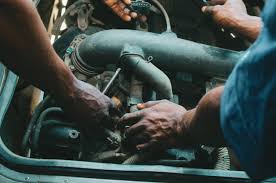
Engine problems rarely start with a complete breakdown. Most of the time, your car gives small warnings first. It may sound different. It may lose power. A warning light may appear. You may notice smoke, leaks or a strange smell. These signs can be easy to ignore, especially when the car still drives.
The real risk is delay. Small engine faults can turn into expensive damage when left too long. If you want a simple breakdown of warning signs, this guide on how to spot engine problems early is useful for drivers who want to act before the repair gets serious.
Listen for New Engine Sounds
You know how your car normally sounds. If it suddenly starts knocking, ticking, rattling or whining, pay attention. New sounds can point to low oil, worn parts, timing chain issues, belt problems or internal engine wear.
A light sound may not always mean major damage, but it should not be ignored if it keeps coming back. If the sound changes with engine speed, becomes louder or happens during start-up, book an inspection.
Do Not Ignore Warning Lights
The check engine light can come on for many reasons. It may be something small, like a sensor fault, or something more serious, like a misfire or emissions issue.
Many drivers keep driving because the car feels normal. That is risky. A diagnostic check can read the stored fault codes and help find the cause. Resetting the light without repair only hides the issue for a short time.
Watch for Exhaust Smoke
Exhaust smoke can tell you a lot about engine health. Blue smoke may mean the engine is burning oil. White smoke that continues after the engine warms up may suggest coolant is entering the engine. Black smoke can point to too much fuel being burned.
A little vapour on a cold morning is normal. Thick smoke, strong smells or smoke that continues while driving needs checking.
Check for Leaks
Oil, coolant and other fluid leaks are not just messy. They can lead to serious engine problems. Oil leaks can reduce lubrication. Coolant leaks can cause overheating. Fuel smells can be dangerous.
Look under your car from time to time. If you notice fresh spots on the ground, do not wait until the level drops too low.
Take Overheating Seriously
An overheating engine can cause expensive damage quickly. If the temperature gauge rises, stop safely and let the engine cool. Continuing to drive can damage the head gasket, cylinder head or other internal parts.
Common causes include low coolant, radiator faults, thermostat failure, water pump issues or cooling fan problems. The cause needs to be found before the car is driven normally again.
Notice Loss of Power
If your car feels slow, struggles uphill or does not respond well when you accelerate, the engine may not be working properly. Power loss can come from fuel system faults, air intake issues, turbo problems, ignition faults or engine compression problems.
Power loss is not just annoying. It can also affect safety when joining traffic, overtaking or driving on faster roads.
Rough Idling and Misfires
A healthy engine should idle smoothly. If the car shakes, jerks or feels uneven, it may be misfiring. Misfires can damage the catalytic converter and increase fuel use if ignored.
Spark plugs, ignition coils, injectors, sensors and compression issues can all cause misfires. Testing is needed to find the real reason.
Why Early Checks Save Money
Engine problems often spread. A small coolant leak can lead to overheating. Dirty oil can increase timing chain wear. A misfire can damage emissions parts. Fixing the first issue early is usually cheaper than repairing everything it damages later.
Early checks also give you peace of mind. You can plan the repair instead of facing a sudden breakdown.
Final Thoughts
Spotting engine problems early is about paying attention to small changes. Noise, smoke, leaks, warning lights, overheating and power loss all matter.
You do not need to be a mechanic to know when your car feels wrong. Acting early can protect your engine, reduce repair costs and keep your car dependable.