






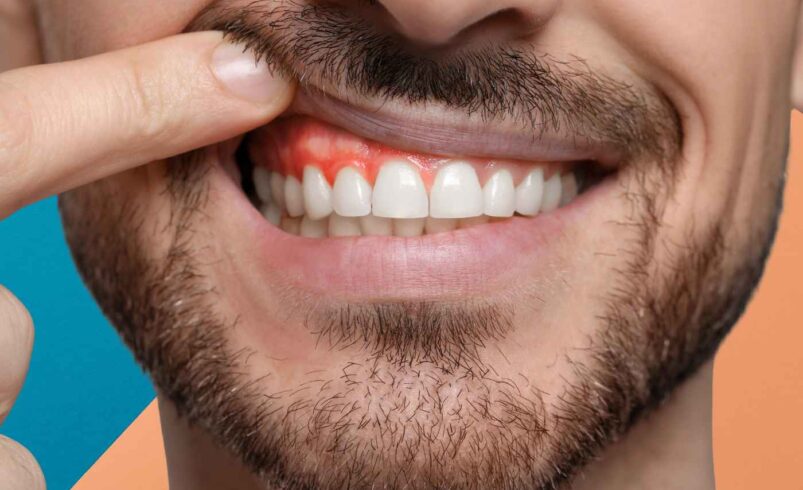
A tooth abscess is a painful infection that occurs at the root of a tooth or in the gum tissue near the root. This infection is usually caused by untreated cavities, gum disease, or dental trauma. When a tooth becomes infected, it can lead to the formation of a pus-filled pocket, also known as an abscess. The body’s natural response to infection often involves swelling around the affected area, which can cause discomfort and pain.
If you notice a tooth abscess is still swollen after 3 days of antibiotics, it may be a sign that the infection is not improving as expected, and you may need to seek further treatment. It’s important to understand the causes of tooth abscesses, how long the swelling should last, and when professional care is necessary.
Why Does a Tooth Abscess Cause Swelling?
Swelling is a natural part of the body’s response to infection. When the body detects an infection in a tooth, it sends more blood to the area to fight off the bacteria. This increased blood flow can cause the affected tissue to swell, which is the body’s way of protecting the area and preventing the infection from spreading. In the case of a tooth abscess, the infection can affect not only the tooth but also the surrounding gum and bone tissue, leading to visible swelling.
If you’re experiencing significant swelling from a tooth abscess in Houston, it’s important to keep track of any changes in size or pain. Swelling should begin to decrease as the infection is treated, but if it persists, further intervention may be required.

How Long Should a Tooth Abscess Stay Swollen?
The Typical Healing Timeline
The swelling from a tooth abscess should typically begin to improve within a few days of starting antibiotic treatment. After you begin taking antibiotics like Augmentin for tooth infection, the body starts to fight the infection, and the swelling should gradually go down. Most people notice a significant reduction in swelling within 3-5 days.
However, if a tooth abscess is still swollen after 3 days of antibiotics, it may be a sign that the infection is not responding as expected. It could also indicate that the abscess is large and requires further treatment, such as draining the abscess or even a root canal procedure.
Factors That Affect Swelling Duration
Several factors can affect how long the swelling from a tooth abscess will last, including:
-
Severity of the infection: If the infection is deep-rooted or widespread, it may take longer to treat.
-
Timeliness of treatment: The sooner the infection is treated, the quicker the swelling will subside. If treatment is delayed, the infection may worsen, and the swelling could last longer.
-
Underlying health conditions: Conditions like diabetes or a weakened immune system can slow the healing process.
For example, some patients in Houston might need a more aggressive treatment approach if they are experiencing ongoing swelling. If the swelling continues despite treatment, visiting a Dental Clinic in Houston for a check-up is essential to rule out complications.
When Should You Be Concerned About Swelling?
While some swelling is normal during the healing process, there are signs that indicate something more serious. If your tooth abscess is still swollen after a few days of antibiotics, or if the swelling worsens, it’s important to seek professional care. You should be concerned if you experience:
-
Increased pain: If the pain becomes worse over time, it could indicate that the infection is not responding to the antibiotics.
-
Fever: A fever alongside a swollen abscess may indicate that the infection is spreading.
-
Discharge or pus: If you notice pus coming from the abscess, it’s a sign that the infection is still active.
-
Difficulty swallowing or breathing: These are signs that the infection may be affecting other parts of your body and requires immediate medical attention.
If you’re in Houston and notice any of these symptoms, it’s crucial to visit a Dental Clinic in Houston right away. Your dentist may need to drain the abscess or provide additional treatments to help clear up the infection.
How to Treat a Tooth Abscess and Reduce Swelling
Professional Treatment Options
If your tooth abscess does not improve with antibiotics, or if the swelling does not reduce after a few days, you may need professional treatment. The first step is typically to drain the abscess. This is done by your dentist or oral surgeon, who will make a small incision to allow the pus to drain out. Draining the abscess helps relieve pressure, reduce pain, and speed up the healing process.
In some cases, your dentist might also recommend a root canal treatment to remove the infected tissue inside the tooth. If the infection is severe, an extraction might be necessary to prevent further complications.
At-Home Care for Swelling
While waiting for professional treatment, there are a few things you can do at home to help reduce swelling and relieve pain:
-
Warm saltwater rinses: Rinsing your mouth with a saltwater solution can help clean the affected area and reduce swelling. Mix a teaspoon of salt in warm water and swish it around for 30 seconds, 2-3 times a day.
-
Over-the-counter pain relief: Medications like ibuprofen or acetaminophen can help reduce pain and inflammation while you wait for your next dental visit.
-
Cold compress: Applying a cold compress to the outside of your cheek can help reduce swelling and numb the pain.
These remedies are effective in managing the symptoms of a tooth abscess, but they are not a substitute for professional dental treatment. If you find that your tooth abscess is still swollen after 3 days of antibiotics, you should schedule an appointment with a dentist to ensure that the infection is being properly treated.
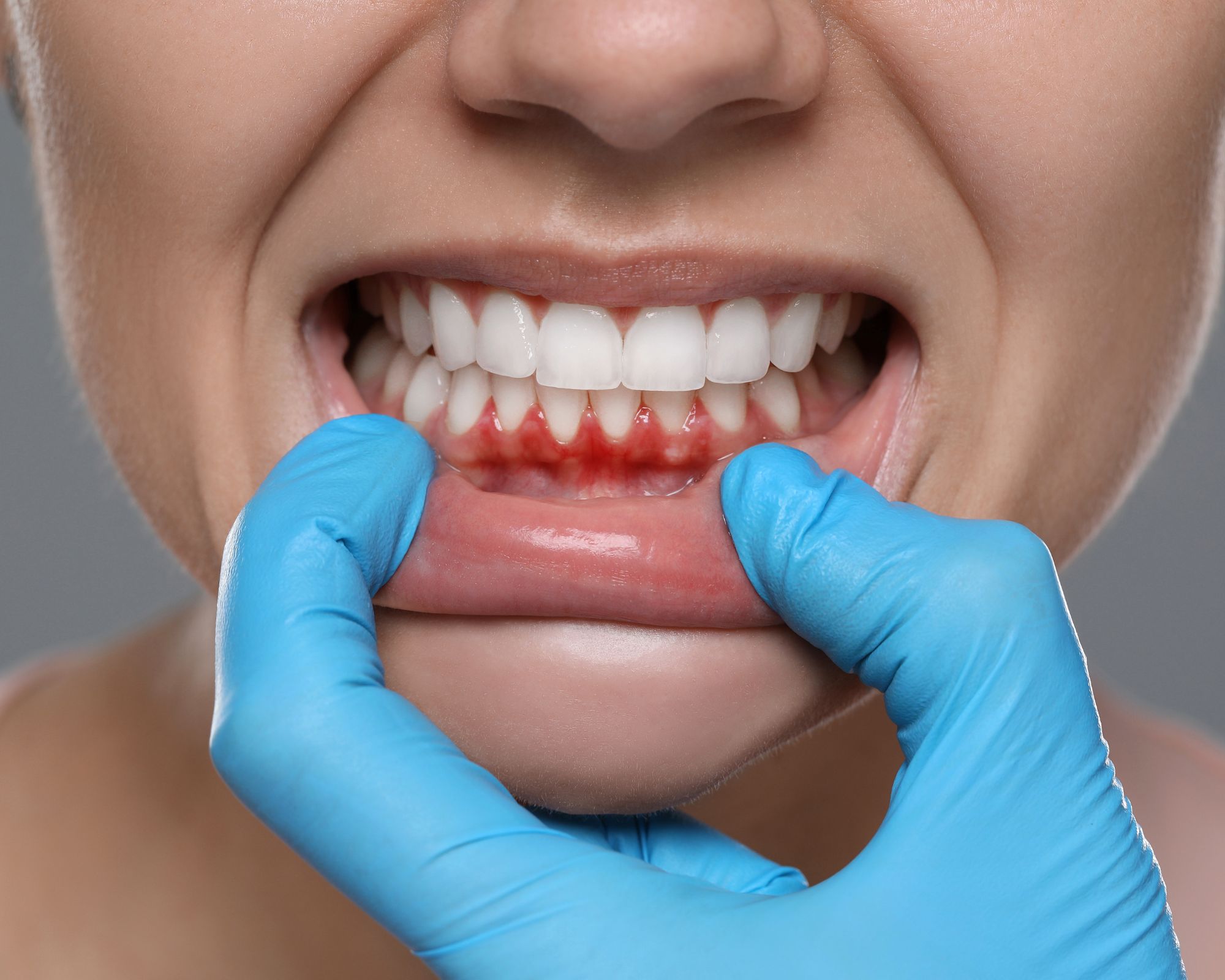
Preventing Future Tooth Abscesses and Swelling
The best way to avoid tooth abscesses and the painful swelling that comes with them is to practice good oral hygiene. Brush your teeth at least twice a day, floss regularly, and visit your dentist for routine check-ups. Regular dental visits help detect issues like cavities, gum disease, and other oral health problems early before they develop into abscesses.
Additionally, be mindful of what you eat and avoid sugary foods that can contribute to tooth decay. If you wear braces, dentures, or other dental appliances, make sure they fit properly to prevent irritation and injury that can lead to abscesses.
When to See a Dentist or Healthcare Provider
If the swelling from your tooth abscess doesn’t improve after a few days of antibiotic treatment, or if it worsens, it’s time to see a dentist. Early intervention is crucial in preventing the spread of the infection. In Houston, many patients visit a Dental Clinic in Houston for prompt and effective care. A dentist will be able to assess the severity of the abscess and determine the best course of action to eliminate the infection.
Conclusion
Tooth abscesses can be painful, and the swelling associated with them can make it difficult to eat or speak comfortably. However, with the right treatment, the swelling should start to decrease within a few days. If you find that your tooth abscess is still swollen after 3 days of antibiotics, it’s important to visit your dentist for further evaluation. The sooner you get the proper care, the quicker you’ll recover and avoid serious complications.
FAQ
How long does it take for a tooth abscess to go down?
With the right treatment, the swelling should reduce within 2-3 days. If swelling persists, see a dentist for further care.
What should I do if my tooth abscess swelling worsens after 3 days?
If swelling increases after a few days of antibiotics, it’s important to visit a dentist immediately for additional treatment, such as drainage.
Can I treat a tooth abscess with a Z-pack for tooth infection?
A Z-pack is an antibiotic that may help treat a tooth infection, but it’s essential to consult a dentist for proper diagnosis and treatment.