





The presentation of food service depends on the material selection that favors hygiene and organization in the serving. We test the impact of food basket liners on serving quality and handling operations in commercial settings. Uniformity of materials influences the presentation and promotes efficiency in the day-to-day service operations. Food basket liners are used to ensure a steady base for meals in baskets that are used in restaurants and takeaway counters. Food service operations rely on regular materials that remain in order when packing and distributing food. Using appropriate liners enhances serving consistency and helps to prepare in an organized manner in the fast-paced setting without complicating work processes. The choice of the material influences hygiene control, appearance, and operational flow in commercial preparation and delivery of food in structured service systems in their everyday tasks in support of the requirements of the daily activity.
Material Use
Materials’ durability and texture determine how materials will perform in serving environments in food outlets. Surface strength helps in the manipulation of hot and cold meals in organized service circumstances. The stability of basket serving systems is affected by material overlay in terms of placement and removal. Clean surfaces of contacts help to keep order when performing food distribution. Basket liners for food come in different thicknesses applicable to service needs in diverse services. Sheet form consistency enhances the handling and placement of the sheets among serving stations. The choice of materials influences the resistance to pressure conditions and repeated exploitation in high-demand food conditions that provide stable output of operations. Patterns of selection inform performance results in organized serving arrangements and service efficiency standards of commercial meal handling processes.
Design Value
Aesthetic presentation relies on the correspondence between the material design and the serving expectation in food outlets. Basket-based service setups have a visual appeal that affects customer perception when delivering meals. Design structure influences the balance of handling and presentation in various serving points. Presentation of printed food basket liners helps in the maintenance of clean presentation during meal serving routines. Basket design alignment of the material enhances the structure and clarity of service in busy settings. Constant presentation helps in showing food and placement during the serving periods in professional kitchens. The design decisions affect the behavior of packaging and user experience in organized food handling systems, enhancing order and clarity in serving stations. Consistency in service delivery across settings and presentation expectations is facilitated by visual standards.
Service Flow
The flow of operations in serving environments relies on established management of meal containers. The transportation of ready meals must be stabilized through the support systems in the distribution processes. The serving station efficiency depends on the controlled placement and removal routines. Using basket liners to handle food enhances order when serving operations. The stability of service flow is achieved by avoiding variation in material placement on counters and trays. Food handling systems with order enhance preparation and delivery time. A clearly defined serving flow aids in the predictability of the results in meal distribution settings, keeping the preparation and serving stations in line. There is no interference in the processing of systems when stability is maintained in preparation areas and service counters of commercial food operations environments that have system performance consistency levels that support.
Basket Setup
The layout of serving containers affects order in food presentation systems. Setting structure defines the convenience of service and the location of meals in service areas. Basket placement helps to regulate serving in commercial kitchens. Wholesale food basket liners are distributed to serve large-scale needs. Basket organization enhances the speed of serving activities in various stations. Consistency in setup guarantees a smooth flow of prepared meals in peak demand times. An organized system enhances control of handling and shortens serving delays throughout kitchen processes that hold constant output with different service loads. Structured installation aids the predictable flow of meals within preparation zones and serving counters within commercial settings that guarantee predictable output of system stability and output control support.
Print Options
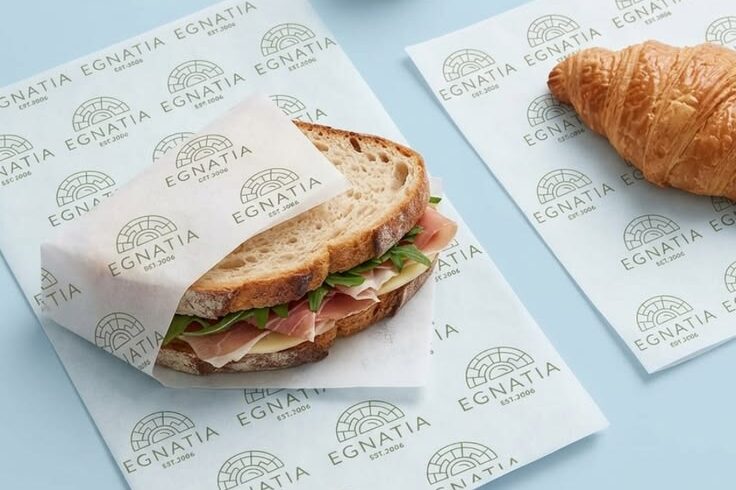
Presentation Quality in food-serving environments is dependent on surface detailing. The patterns on serving material influence customer perception when servicing a meal. The food handling systems improve recognition and orderly presentation through design printing. Printed food basket liners can be used to enhance visual consistency in serving situations. Print alignment enhances branding effectiveness and material identity when handling services. Outward appearances help in the orderly presentation of serving at various food stations. The use of print surface design allows uniform behavior of handling and better organization of the presentation in commercial food settings that promote recognition and clarity of service. Visual print structure helps to keep order in serving processes and assists in material work efficiently in the kitchen and distribution areas to guarantee a constant level of output service consistency.
Bulk Supply
Supply management helps sustain the supply of serving materials in food operations. A huge scale distribution demands structured processing and standardized storage facilities. Inventory management guarantees the easy availability of materials when there is high demand. Custom food basket liners assist in the operation in terms of tailored serving needs. Bulk supply systems ensure a smooth flow of materials in various service points. Storage efficiency influences the preparedness of serving materials when there is a need to serve at peak operational demand. Supply coordination facilitates dependable distribution and lessens delays in handling throughout the food preparation surroundings with organized service delivery under the demand strain. The inventory systems guarantee uninterrupted supply and consistent management of materials in the storage areas and service counters in the operating conditions, distribution flow control, and support levels.
Custom Order
Order systems are specifications of how food service operations select and utilize serving materials. The processes of customization affect the material appropriateness to various serving environments and types of meals. Formal order processing facilitates effective choice and allocation of serving supplies. Fast food basket liners are used in serving outlets to assist with fast serving. Order accuracy enhances the uniformity of material choice in food preparation systems. The structure of selection influences the speed of service and operational control in service-based situations. Custom printed paper order management helps in ensuring dependable distribution and consistency across preparation and serving systems with structured handling in the environment of operational demand. Controlled selection provides a guarantee of efficiency in material utilization, and in addition to uniformity in serving production in a commercial setting, the system orders consistency and flow.
Conclusion
Food service operations require well-organized material utilization and regular service systems. In commercial meal settings, efficiency is characterized by quality presentation and handling. Food basket liners keep structure, promote cleanliness, and enhance serving stability throughout the operations. The choice of material can influence service systems in food environments in terms of order, distribution, and presentation. Organized processing will guarantee credible delivery in preparation and serving phases within commercial contexts. The operational systems depend on stipulated materials, consistency in handling, and an organized flow of services in food preparation areas and delivery points to guarantee uniform output in the commercial settings where quality is controlled, and distribution practices are reliable to maintain consistency in system performance.