






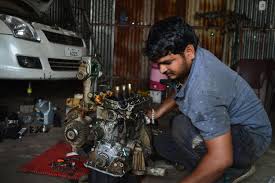
When an engine becomes tired, noisy or unreliable, many drivers think they have only two choices: spend a lot on a new engine or replace the whole car. In many cases, there is another option. Engine reconditioning can restore key parts of the engine and give the vehicle a much better chance of staying on the road.
This can be a practical choice when the car is still useful, but the engine needs deeper attention. If you are comparing your options, this guide to engine reconditioning repair services explains why reconditioning may be worth considering before giving up on the vehicle.
What Is Engine Reconditioning?
Engine reconditioning means inspecting, cleaning and renewing worn engine parts. It is more detailed than a small repair but may not always mean replacing the full engine.
The work can include replacing seals, gaskets, bearings, piston rings, timing parts and other worn components. The aim is to improve compression, reduce leaks, lower oil burning and restore smoother engine performance.
When Is Reconditioning Worth It?
Engine reconditioning can be worth it when the vehicle is still in good overall condition. If the body, suspension, interior and gearbox are fine, repairing the engine may make better sense than buying another car.
It may also be useful for high-mileage vehicles, work vehicles, family cars or premium models where replacement costs are high.
Common signs include heavy oil use, poor compression, smoke, overheating history, knocking sounds or repeated engine faults.
Reconditioning vs Used Engine
A used engine may seem like a quick fix, but it can come with unknown history. You may not know how it was maintained, whether it overheated before or how much wear is hidden inside.
Reconditioning gives technicians the chance to inspect and refresh your existing engine. This can offer more confidence because the worn parts are checked and replaced as needed.
Reconditioning vs Full Engine Replacement
Full replacement may be the better choice if the engine block is badly damaged or repair costs are too high. But if the engine is repairable, reconditioning can be a more balanced option.
The right decision should be based on inspection, not guesswork. A proper garage will check the condition first and then explain whether repair, reconditioning or replacement is the better route.
What Happens During the Process?
The engine is inspected to find worn or damaged parts. Depending on the job, it may be stripped down, cleaned and measured. Parts such as gaskets, seals, bearings, rings or timing components may be replaced.
After the work is complete, the engine should be tested carefully. The technician should check for leaks, compression, oil pressure, temperature, warning lights and running quality.
Benefits of Engine Reconditioning
The biggest benefit is extending the life of the vehicle. A properly reconditioned engine can feel smoother, run cleaner and perform better than before.
Other benefits include reduced oil burning, fewer leaks, better reliability and less waste than replacing the whole vehicle. For many drivers, it can also be more affordable than buying another car.
Why Good Workmanship Matters
Engine reconditioning is a skilled job. Shortcuts can lead to repeat faults, leaks or poor performance. The quality of the parts and the care taken during fitting make a big difference.
A good garage should explain what work is needed, what parts will be replaced and what result you can realistically expect. Clear advice matters because engine work is a serious investment.
Final Thoughts
Engine reconditioning can be a smart option when the car is worth keeping and the engine is repairable. It can restore performance, reduce faults and help avoid the cost of replacing the vehicle.
Before making a decision, get the engine checked properly. Once you know the real condition, you can choose the repair path that gives the best value for your car and budget.