




Festivals and public events bring large groups together, making clear crowd planning essential for smooth movement. Crowd control fencing hire can support planning by defining routes, boundaries, and access points. Well-positioned barriers also help attendees understand how to move around.
Clear physical boundaries can help organisers coordinate entrances, queues, performance spaces, and operational areas. Fencing also gives event teams visible reference points across a venue. When barrier placement reflects expected pedestrian movement, the site becomes easier for attendees to understand.
What Is Crowd Control Fencing?
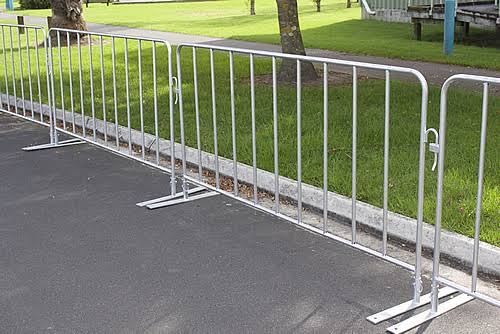
Crowd control fencing consists of temporary barriers used to guide people and define specific areas at public events. Organisers can position these barriers according to pedestrian routes, access needs, venue conditions, and the activities taking place across the event site.
Different barrier designs suit different settings, surfaces, and expected crowd levels. Their main purpose is to create visible boundaries that people can easily recognise. This clarity helps attendees move between entrances, attractions, facilities, gathering spaces, and designated event areas confidently.
Why Is Crowd Control Fencing Important For Event Safety?
Effective fencing gives an event site physical organisation and helps attendees recognise designated routes. It can separate public spaces from stages, equipment, service areas, and staff zones. These boundaries also provide useful visual reference points for event teams and visitors.
Fencing can guide queues into defined lanes and support steady pedestrian movement around busy locations. Appropriate placement helps organisers coordinate access across different areas. Together, these functions make barriers a practical part of planning safer, more orderly public event environments.
Where Should Crowd Control Fencing Be Placed?
Barrier locations should reflect how attendees enter, move through, gather within, and leave the site.
Locations include:
1. Entrances and Exits: Barriers define arrival and departure routes, helping attendees recognise access points.
2. Queuing Areas: Fencing forms clear lanes for ticket checks, attractions, refreshments, and busy locations.
3. Stage Areas: Barriers establish audience boundaries around performance and technical areas.
4. Restricted Areas: Fencing identifies staff, production, equipment, and service zones.
5. Pedestrian Routes: Barriers guide attendees along planned pathways connecting key venue areas.
Careful placement creates a clear layout that supports consistent pedestrian movement.
How Do You Choose The Right Crowd Control Fencing?
Barrier selection should reflect attendance, site conditions, and the purpose of each fenced area.
Important factors include:
1. Crowd Size: Expected attendance helps organisers estimate fencing quantity and placement.
2. Event Type: Concerts, fairs, community events, and sports can create different movement patterns.
3. Ground Conditions: Surface type can influence the barrier design and installation method selected for each location.
4. Barrier Stability: Fencing should suit its intended position, purpose, and expected interaction with attendees.
5. Access Requirements: Planned gateways should support appropriate movement for attendees, staff, and event operations.
When considering crowd control fencing hire, organisers can match barrier specifications with the venue layout and planned use.
How Should Crowd Control Fencing Be Planned Around The Event Site?
Fencing should align with the wider site layout and expected pedestrian routes. Organisers can map movement between entrances, stages, facilities, and gathering areas. This planning helps teams identify suitable barrier lines, gateways, and connections that support clear movement across the venue.
Temporary facilities can also influence fencing placement and pedestrian routes. For events using festival marquee hire marquee locations may affect surrounding pathways and barrier positions. Coordinating fencing with stages, catering points, toilets, and information areas can support logical movement between event spaces.
How Should Fencing Be Managed During The Event?
Regular management helps fencing serve its intended purpose as attendance levels and movement patterns develop during the event.
Practices include:
1. Pre-Opening Checks: Teams can inspect barrier positions, connections, gateways, and surrounding routes before attendees arrive.
2. Regular Inspections: Scheduled checks can confirm that fencing remains aligned with the planned event layout.
3. Crowd Observation: Staff can watch busy areas and assess how attendees move through designated routes.
4. Access Monitoring: Teams can oversee gateways and controlled areas to support planned pedestrian movement.
5. Responsive Adjustments: Event teams can adapt approved arrangements when crowd patterns or operational needs change.
Ongoing observation helps teams keep barrier arrangements suitable for conditions throughout the event.
Conclusion
Crowd control fencing supports safer festivals and public events by creating clear boundaries and guiding pedestrian movement. Effective use begins with understanding attendance, venue conditions, access requirements, and expected crowd routes. Proper placement helps different event areas work together.
Organisers should consider fencing from early site planning through live event management. Selecting suitable barriers, positioning them carefully, and checking regularly helps maintain clear routes and defined spaces. These practical measures support an organised environment for attendees, staff, and operations.