






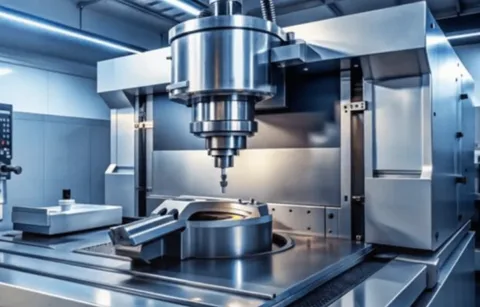
In modern manufacturing, precision plays a major role in controlling production costs and improving overall efficiency. One of the most important factors influencing profitability is CNC machining accuracy, which directly impacts material usage, production speed, and product quality. When machines operate with high precision, businesses reduce errors, minimize waste, and achieve more consistent output.
High accuracy in CNC machining is not just about producing better parts—it is also about reducing hidden costs that accumulate throughout the production cycle. From raw material savings to reduced downtime, precision manufacturing delivers long-term financial advantages that significantly improve competitiveness in the market.
Reduced Material Waste and Scrap Costs
High cnc machining accuracy ensures that each cut, drill, and shape is executed exactly as programmed, minimizing errors that lead to wasted material. In industries where raw materials are expensive, even small improvements in precision can lead to significant cost savings over time.
When accuracy is low, defective parts often need to be scrapped or reworked, increasing material consumption. By improving machining precision, manufacturers can optimize every piece of raw material and reduce unnecessary losses.
- Minimizes scrap generation during production
- Maximizes utilization of raw materials
- Reduces cost of replacing wasted stock
- Improves sustainability and resource efficiency
- Lowers overall production cost per unit
In addition, precise machining reduces inconsistencies in production batches. This ensures that more parts meet specifications on the first attempt, reducing the need for additional raw material purchases.
Lower Rework and Rejection Rates
One of the biggest hidden costs in manufacturing is rework. Poor cnc machining accuracy often results in components that fail quality checks and must be corrected or discarded. This increases labor costs and slows down production schedules.
With improved accuracy, parts are produced correctly the first time, reducing the dependency on manual corrections or secondary machining processes. This directly improves production efficiency and lowers operational expenses.
- Reduces labor costs associated with rework
- Minimizes rejected parts in quality inspections
- Decreases machine downtime due to corrections
- Improves consistency in mass production
- Enhances workflow efficiency across departments
Fewer reworks also mean better utilization of skilled labor. Workers can focus on producing new components instead of fixing defective ones, improving overall productivity.
Improved Machine Efficiency and Cycle Time
High cnc machining accuracy leads to smoother operations, as machines do not need to pause for corrections or adjustments. This allows production cycles to run more efficiently and consistently.
Accurate machining also reduces the need for repeated setups or recalibration, which often consumes valuable production time. As a result, manufacturers can produce more units within the same timeframe.
- Reduces machine idle and correction time
- Improves production cycle consistency
- Enhances throughput in manufacturing lines
- Lowers operational delays and interruptions
- Maximizes output per shift
Efficient cycle times also help companies meet tight delivery deadlines, improving customer satisfaction and strengthening market competitiveness.
Longer Tool Life and Maintenance Savings
Precision in cnc machining accuracy significantly reduces unnecessary stress on cutting tools and machine components. When operations are accurate, tools wear out more evenly and last longer.
In contrast, poor accuracy can cause misalignment, vibration, and uneven cutting forces, all of which shorten tool lifespan and increase maintenance costs.
- Extends lifespan of cutting tools
- Reduces frequency of machine maintenance
- Minimizes unexpected equipment breakdowns
- Lowers replacement part expenses
- Improves overall machine reliability
Over time, these savings become substantial, especially in high-volume production environments where tools and maintenance represent a significant portion of operating costs.
Enhanced Product Quality and Customer Retention
High cnc machining accuracy ensures that finished products meet exact specifications, resulting in better quality and performance. Consistent quality reduces the chances of product returns or customer complaints.
When customers receive reliable and precise products, trust in the manufacturer increases, leading to repeat business and stronger long-term relationships.
- Improves product consistency and reliability
- Reduces customer complaints and returns
- Strengthens brand reputation in the market
- Increases customer satisfaction and loyalty
- Enhances competitiveness in global markets
Better quality also allows companies to position their products as premium offerings, often enabling higher pricing and improved profit margins.
Conclusion
The cost benefits of high cnc machining accuracy extend far beyond simple precision improvements. From reducing material waste and rework to improving machine efficiency and tool lifespan, accuracy plays a vital role in lowering overall production costs.
Manufacturers that invest in precision CNC technology gain a strong competitive advantage through better productivity, lower operational expenses, and improved product quality. In today’s highly competitive industrial environment, achieving high machining accuracy is not just a technical advantage—it is a strategic necessity for long-term success.