


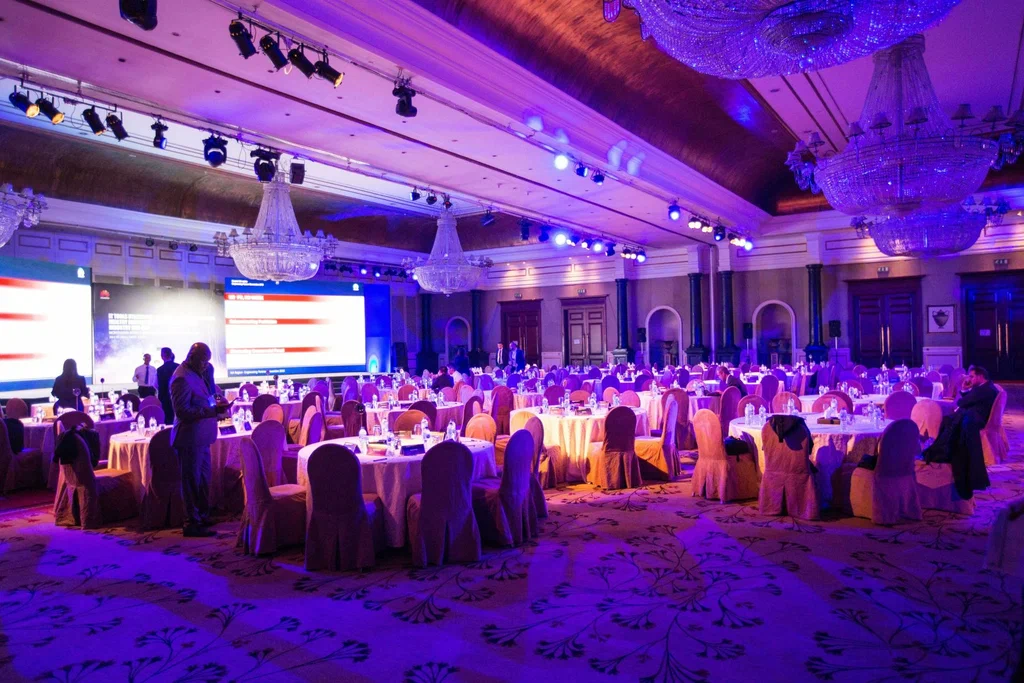
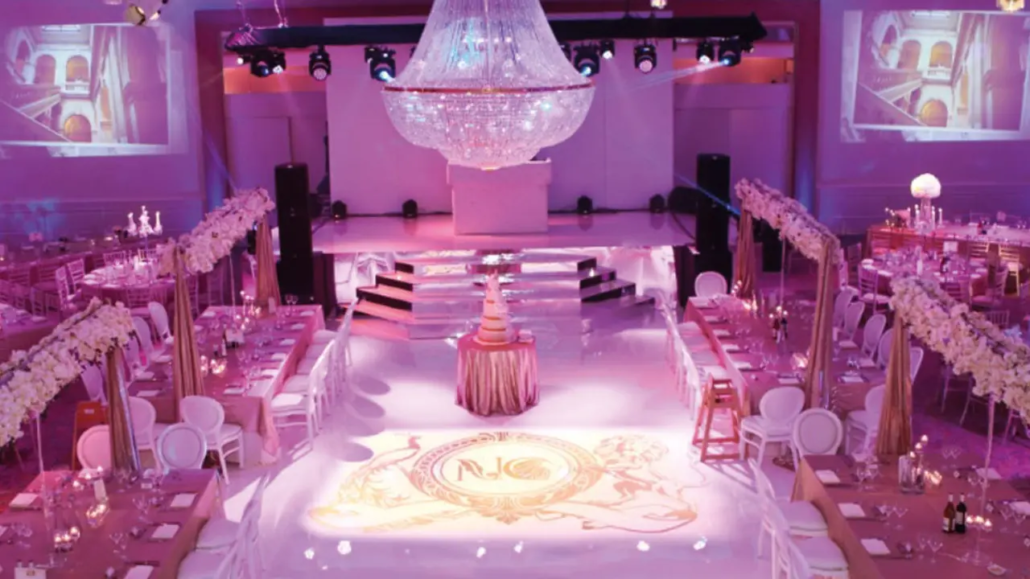


A Redwood Event Center Fairfax is more than a gathering of employees, clients, or business partners. The setting can influence how people interact, how the organization is perceived, and whether attendees leave with a positive impression. That makes the search for suitable Corporate Event Venues an important part of event planning rather than a simple matter of finding an attractive room.
The right venue should support the purpose of the event. A leadership meeting requires a different environment from a product launch, networking evening, employee celebration, or professional conference. By starting with the event’s objective and building the venue choice around it, planners can create an experience that feels intentional instead of generic.
Start With the Purpose of the Event
Before looking at locations, determine what the event is supposed to accomplish.
A company hosting a training session may need a quiet environment, comfortable seating, presentation equipment, and reliable internet. A networking event may benefit from an open floor plan that encourages guests to move around and communicate. A product launch might require a visually impressive setting with space for demonstrations and photography.
Defining the purpose first prevents a common planning mistake: choosing a venue based on appearance before considering functionality.
Think Beyond Seating Capacity
The number of attendees is important, but capacity alone does not tell you whether a venue is appropriate.
Imagine a room designed for 300 people being used for an event with only 80 attendees. While technically suitable, it could make the gathering feel empty and disconnected. On the other hand, squeezing 150 people into a space intended for 100 can create discomfort and restrict movement.
Consider how guests will actually use the venue. You may need space for registration, dining, presentations, networking, exhibits, entertainment, storage, or breakout sessions.
A venue should accommodate the event’s activities—not merely the guest count.
Match the Environment With Your Brand
The physical environment communicates something about a company.
A technology business might prefer a contemporary venue with flexible layouts and modern presentation facilities. A luxury brand could choose an elegant property with sophisticated interiors. A creative agency may benefit from an unconventional space that encourages conversation and reflects its personality.
This does not mean every venue needs to look exactly like the company’s branding. Instead, there should be a logical connection between the atmosphere and the image the organization wants to project.
For client-facing events, this becomes particularly important because the venue can influence how guests perceive the company’s professionalism and attention to detail.
See more: corporate events venue
Location Can Affect Attendance
Even an excellent venue can create problems if it is difficult to reach.
When evaluating Corporate Event Venues, consider where attendees are traveling from and how they are likely to arrive. Look at public transportation, parking, road access, nearby hotels, airport connections, and transportation services.
For events involving visitors from different cities or countries, accommodation becomes especially relevant. A venue located near suitable hotels can simplify the overall experience.
Accessibility should also be considered from the beginning. Guests should not have to struggle with entrances, elevators, parking, or seating arrangements.
Technology Is Now a Core Requirement
Modern corporate events often depend heavily on technology.
Presentations, video conferencing, digital registration, live demonstrations, microphones, screens, lighting, and internet connectivity can all become essential parts of an event.
Ask the venue what equipment is included and what requires an additional fee. It is also useful to determine who will operate the technology during the event.
A venue may advertise advanced audiovisual facilities, but planners should still confirm whether those systems are suitable for the specific presentation format being used.
A technical rehearsal before the event can prevent avoidable problems.
Consider the Flow of the Guest Experience
Good event planning is partly about movement.
Guests should know where to register, where to collect refreshments, where to sit, and where the main program is taking place. If people repeatedly become confused about directions, the venue is working against the event.
Think through the entire guest journey:
Arrival → Registration → Welcome → Main Activity → Breaks → Networking → Dining or Entertainment → Departure
Each transition should feel natural.
Even simple signs, strategically positioned staff, and an understandable floor plan can significantly improve the experience.
Catering Can Influence the Entire Event
Food is not just an additional service. It can shape the schedule and atmosphere.
For a conference, quick refreshments may be necessary between sessions. A networking event may work better with small plates that guests can enjoy while standing and talking. A formal business dinner may require a carefully timed multi-course menu.
Ask whether the venue provides catering or permits outside suppliers. Clarify menu options, dietary accommodations, service charges, beverage policies, and timing requirements before finalizing the booking.
Good catering should complement the event rather than interrupt it.
Examine Flexibility and Layout Options
A flexible venue can be particularly valuable for corporate gatherings because business events often contain multiple activities.
A room that can transition from theater-style seating to a networking layout provides more possibilities than a fixed arrangement.
Look for spaces that can support:
-
Presentations
-
Workshops
-
Breakout discussions
-
Networking areas
-
Dining
-
Exhibitions
-
Product demonstrations
-
Entertainment
The more adaptable the venue, the easier it may be to design an event around changing requirements.
Don’t Ignore Privacy and Security
Corporate events sometimes involve confidential presentations, internal discussions, product announcements, or private client conversations.
Ask how the venue manages access to event areas. If multiple functions are taking place simultaneously, determine whether outside guests could enter the event space.
For executive gatherings or sensitive business meetings, privacy may be more important than visual appeal.
Security arrangements, guest check-in procedures, emergency exits, and staff availability should also be reviewed before the event.
Understand the Full Cost
The advertised venue price may not represent the final expense.
Ask about additional charges for setup, cleaning, overtime, equipment, staffing, furniture, catering, parking, security, and technical support.
Create a complete event budget before signing the contract. This makes it easier to compare venues fairly.
A slightly more expensive venue with equipment and staffing included could ultimately cost less than a cheaper location that adds numerous separate fees.
Visit Before Making the Decision
Online photographs can be useful, but they cannot show everything.
A site visit allows planners to evaluate lighting, acoustics, entrances, restrooms, furniture, room proportions, staff responsiveness, and the overall atmosphere.
Try to visit the venue at a time similar to the planned event. A location that feels peaceful during the afternoon may have a completely different atmosphere during a busy evening.
During the visit, imagine the event happening from the guest’s perspective. Ask yourself whether the space feels comfortable, practical, and aligned with the company’s objectives.
Build a Backup Plan
Unexpected problems can occur even when planning is thorough.
Outdoor events may face weather issues. Technical equipment can malfunction. Transportation can be delayed. Guest numbers may change.
A strong venue should offer practical contingency options. For outdoor functions, ask about indoor alternatives. For presentations, consider backup equipment. For food service, understand how dietary or last-minute attendance changes are handled.
Planning for possible disruptions does not make an event pessimistic—it makes it resilient.
Final Thoughts
Selecting the right Corporate Event Venues requires a balance between appearance, functionality, accessibility, technology, hospitality, and budget. The most impressive location is not necessarily the most suitable one.
Begin with the event’s purpose, understand what attendees need, evaluate the venue’s practical capabilities, and consider how every part of the guest journey will work.
When the location supports the objective rather than competing with it, the event becomes easier to manage and more memorable for everyone involved. A well-chosen venue quietly does its job in the background, allowing the people, ideas, relationships, and business goals at the heart of the gathering to take center stage.
Learn more: visit the venue