

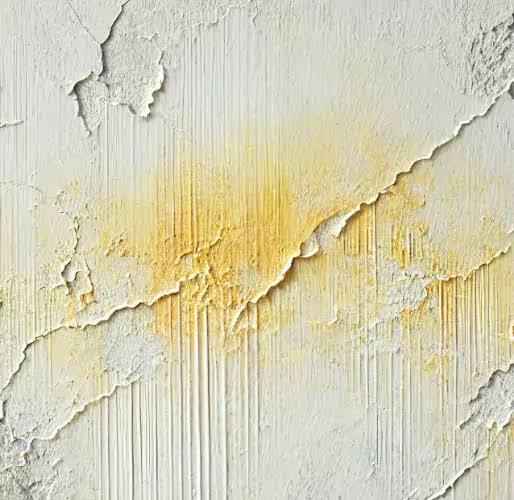


Interior paint can change color over time for reasons that have little to do with the original quality of the paint. Moisture, sunlight, smoke, cooking residue, dust, chemical exposure, poor surface preparation, and aging can all cause walls and ceilings to look yellow, gray, faded, patchy, or noticeably different from their original appearance. Understanding the cause of interior paint discoloration is important because simply applying another coat of paint may not solve the underlying problem.
A well-maintained interior depends on more than paint alone. Factors such as surface condition, ventilation, humidity, cleaning habits, and nearby renovation work including Ceramic Tile Installation can influence how painted surfaces look and perform over time. Identifying the source of discoloration before repainting helps property owners choose a more appropriate solution and avoid recurring problems.
What Causes Interior Paint to Discolor?
Interior paint discoloration occurs when the appearance or color of a painted surface changes after application. Sometimes the change is gradual and easy to overlook. In other cases, discoloration appears as distinct stains, uneven patches, dark marks, yellowing, or fading.
The most effective approach is to determine what is causing the change before attempting to cover it. A stain caused by water, for example, may continue returning through fresh paint if the moisture source has not been corrected.
Here are some of the most common causes of interior paint discoloration.
1. Moisture and Water Intrusion
Moisture is one of the most common reasons interior walls and ceilings develop stains or color changes. Water can enter a property through plumbing leaks, roof problems, damaged seals, condensation, or moisture migration from bathrooms and other humid areas.
Water-related discoloration may appear as brown, yellow, gray, or darker patches. In some situations, the paint may bubble, peel, blister, or develop a rough texture as moisture affects the underlying surface.
Bathrooms, kitchens, laundry areas, basements, and walls near plumbing fixtures deserve particular attention. If discoloration keeps returning after cleaning or repainting, it is important to investigate the moisture source rather than repeatedly applying paint.
Before repainting a water-damaged area, the affected surface should generally be allowed to dry properly and any underlying moisture problem should be addressed. Depending on the situation, damaged drywall, plaster, or other materials may also require repair.
2. Excessive Sunlight and UV Exposure
Natural light can transform the appearance of interior paint over time. Rooms with large windows, skylights, or strong direct sunlight may experience more noticeable fading than darker areas.
Ultraviolet exposure can gradually affect certain pigments, causing some colors to lose intensity. The difference may become especially visible when furniture, artwork, curtains, or shelving has protected portions of a wall from sunlight.
This is why moving a picture or large piece of furniture can sometimes reveal a section of paint that looks significantly different from the surrounding surface.
Window treatments can help reduce direct sunlight exposure. Choosing paint products appropriate for the room and considering the amount of natural light during the color-selection process can also help homeowners manage future changes in appearance.
3. Cooking Smoke and Grease
Kitchens are exposed to airborne grease, steam, smoke, and food particles. Even when a kitchen looks clean, microscopic residues can accumulate on painted walls and ceilings.
Over time, these substances can make surfaces look dull, yellowish, or darker than they originally appeared. Areas located close to cooking appliances may show discoloration more quickly.
Good ventilation is an important part of controlling this problem. Range hoods, exhaust fans, and regular cleaning can reduce the amount of airborne residue that settles on painted surfaces.
When repainting a kitchen, surface cleaning and preparation are particularly important. Painting over a greasy surface can interfere with adhesion and may cause the new finish to look uneven.
4. Tobacco Smoke and Indoor Air Contaminants
Tobacco smoke can leave persistent residue on walls, ceilings, trim, and other surfaces. Nicotine and smoke-related particles may create yellow or brown discoloration that becomes increasingly visible over time.
Older properties that were previously exposed to indoor smoking may still have noticeable staining even after the room has been cleaned. In such cases, simply applying standard wall paint may not always provide the desired result.
Thorough cleaning and appropriate preparation are important before repainting smoke-affected surfaces. Severe staining may require a suitable stain-blocking primer before the finish coat is applied.
Other airborne contaminants can also affect paint appearance. Dust, soot, candles, fireplaces, and certain household activities may contribute to gradual surface buildup.
5. Poor Surface Preparation
Paint does not exist independently from the surface underneath it. Dirt, grease, dust, old residue, loose paint, repairs, and uneven patches can affect the final appearance of a new coating.
If a wall was not properly cleaned, repaired, sanded, or primed before painting, discoloration or uneven color may become apparent later. Areas where filler, joint compound, or previous repairs were not properly prepared can absorb paint differently from surrounding surfaces.
Proper preparation creates a more uniform foundation. It may include cleaning, removing loose material, repairing imperfections, sanding appropriate surfaces, and applying primer when needed.
This is particularly important when changing from a dark color to a light color or when covering stains and repaired areas.
6. Paint Aging and Natural Color Changes
Interior paint does not remain visually identical forever. Normal aging can gradually affect color, sheen, and overall appearance.
Repeated cleaning, exposure to indoor light, temperature changes, and everyday use can make older paint look duller than freshly painted surfaces. High-traffic areas often show these changes more quickly because walls are touched, cleaned, bumped, and exposed to more household activity.
Older paint can also become noticeably different from paint applied during a later touch-up. Even when the same color name is used, differences in product formulation, sheen, application method, or age can make a repaired section visible.
For larger areas, repainting the entire wall or a defined section may produce a more consistent appearance than repeatedly touching up small spots.
7. Cleaning Products and Harsh Chemicals
Regular cleaning helps maintain painted surfaces, but some products can affect paint over time. Strong cleaners, abrasive materials, or excessive scrubbing may dull the finish or create visible changes in sheen.
A glossy or satin surface may become uneven if one area is repeatedly scrubbed while surrounding areas receive less cleaning. This can create the appearance of discoloration even when the actual paint color has not changed significantly.
For routine maintenance, homeowners should follow the paint manufacturer’s cleaning recommendations and avoid unnecessarily aggressive products. Testing a cleaning method on a small, inconspicuous area can also help prevent unexpected damage.
8. High Humidity and Poor Ventilation
Humidity does not always create obvious water stains, but consistently damp indoor conditions can affect painted surfaces. Poor ventilation allows moisture from showers, cooking, laundry, and everyday activities to remain in the air for longer periods.
Over time, high humidity may contribute to peeling, bubbling, staining, or other surface problems. Areas with inadequate airflow are particularly vulnerable.
Bathrooms and kitchens benefit from effective exhaust ventilation. Keeping moisture levels under control can help protect both painted surfaces and the materials beneath them.
If discoloration appears alongside a musty odor, persistent dampness, peeling, or recurring stains, the issue may involve more than paint and should be investigated carefully.
9. Mold and Mildew Growth
Mold and mildew can create dark, greenish, gray, or black-looking areas on walls and ceilings, especially in damp environments.
These growths should not simply be painted over. Painting without addressing the conditions that allowed the growth to develop can result in the problem returning and may interfere with the appearance and performance of the new coating.
The appropriate response depends on the extent and source of the problem. Moisture control, proper cleaning, and repair of leaks or ventilation issues are important parts of addressing recurring discoloration.
10. Uneven Paint Application
Sometimes discoloration is actually an application issue rather than a change in the paint itself. Differences in roller pressure, brush technique, coverage, surface absorption, or the number of coats can create visible variations.
Touch-up areas may also stand out when the original paint has aged. Differences in sheen can be especially noticeable under strong natural or artificial lighting.
Consistent preparation and application help create a more uniform finish. When an entire wall has significant variation, repainting the complete surface may provide a better result than attempting numerous isolated touch-ups.
How to Identify the Cause Before Repainting
The pattern of discoloration can provide useful clues. A stain concentrated around a ceiling fixture or plumbing area may suggest moisture. Fading near windows may indicate sunlight exposure. Yellowing around kitchens or previously smoked-in rooms may point toward airborne residues.
Look at when the discoloration appears, where it is concentrated, whether the surface feels damp, and whether the paint is peeling or bubbling. Also consider recent events such as plumbing repairs, leaks, renovations, new heating or cooling equipment, or changes in ventilation.
The surrounding construction and finish work can matter as well. When several types of renovation work are being completed, coordination between painting and trades such as a Carpentry Contractor can help ensure repaired or newly installed surfaces are properly prepared before final painting.
How to Prevent Interior Paint Discoloration
Preventing discoloration starts with controlling the conditions that affect painted surfaces. Address leaks promptly, maintain good ventilation in moisture-prone rooms, clean walls appropriately, and reduce unnecessary exposure to smoke and airborne residue.
Sunlight management can also help in rooms with strong direct exposure. Curtains, blinds, or other window treatments can reduce prolonged direct sunlight on painted walls.
Regular inspection is useful too. Small stains, peeling areas, or changes in wall texture can provide early signs of moisture or surface problems. Addressing these signs early may prevent a minor issue from becoming a larger repair project.
When repainting, proper surface preparation should remain a priority. A clean, sound, appropriately prepared surface gives the new coating a better foundation and makes the finished color more consistent.
When Should Discolored Walls Be Repainted?
Repainting makes sense when the existing finish is significantly faded, stained, worn, or no longer provides the appearance you want. However, repainting should generally follow diagnosis and preparation.
If discoloration is caused by a leak, humidity, mold, smoke residue, or another underlying issue, correcting that problem should come before relying on a fresh coat of paint.
For homeowners unsure about the cause, a professional assessment can help distinguish ordinary paint aging from a surface or moisture problem. This can prevent unnecessary repainting and help determine what preparation may be needed.
Final Thoughts on Interior Paint Discoloration
Interior paint discoloration is often a visible symptom of something affecting the painted surface. Sunlight, moisture, smoke, grease, humidity, cleaning habits, surface preparation, aging, and application differences can all contribute to changes in appearance. The right solution depends on identifying the specific cause rather than simply covering the discoloration.
Homeowners and property owners can protect their interiors by maintaining proper ventilation, controlling moisture, cleaning painted surfaces carefully, monitoring areas exposed to sunlight, and preparing surfaces thoroughly before repainting. When professional guidance is needed, JLL Paintings can be considered as part of the process of evaluating and improving the appearance of interior painted spaces. The most important takeaway is simple: diagnose the cause first, prepare the surface properly, and then choose the appropriate painting solution for a cleaner, more consistent finish.