A reliable livewell system helps anglers maintain suitable conditions for storing live bait during fishing trips. One of its most important components is the pump, which moves water through the system and supports circulation. When a pump performs poorly, water movement may decrease, affecting oxygen distribution and overall water quality.
Understanding how livewell pumps work, what affects their performance, and how to maintain them helps boat owners prepare for more dependable fishing trips.
1. Understand the Role of a Livewell Pump
A livewell pump moves water into or through a holding tank, depending on the system design. Proper water movement helps maintain circulation and supports the operation of connected aeration or filtration equipment.
Pump requirements vary according to tank capacity, plumbing configuration, and the needs of the bait species being stored. Choosing equipment based only on its advertised flow rate may not account for restrictions caused by hoses, fittings, or installation height.
Before selecting a pump, review the manufacturer's specifications and ensure that the model suits your boat's livewell configuration.
2. Choose the Appropriate Pump Capacity
Pump capacity affects how quickly water can move through a livewell. However, a higher flow rate does not automatically guarantee better conditions for baitfish. Excessive water movement may be unsuitable for some setups, while insufficient circulation can contribute to poor water distribution.
Consider the tank's volume, plumbing layout, required turnover rate, and the type and quantity of bait being held. Follow the equipment manufacturer's recommendations when determining the appropriate capacity.
A properly matched pump helps balance water movement with the requirements of the entire livewell system.
3. Recognize Common Signs of Poor Performance
A pump may develop problems because of blocked intakes, worn components, electrical issues, or restricted plumbing. Recognizing the warning signs early can help prevent more serious disruptions during a fishing trip.
Watch for these common symptoms:
Reduced water flow from the outlet.
Unusual noises or excessive vibration.
Water leaks around connections.
Intermittent operation or unexpected shutdowns.
Debris obstructing the intake or plumbing.
If the pump stops working, inspect the system safely and follow the manufacturer's troubleshooting instructions. Disconnect electrical power before carrying out maintenance when required.
4. Maintain Water Flow and Oxygen Levels
Water circulation and oxygenation are related but different functions. A pump helps move water, while aeration equipment supports the transfer of oxygen into it. Depending on the setup, a pump may contribute to aeration, but circulation alone does not guarantee sufficient dissolved oxygen.
Warm water, overcrowding, and high baitfish activity can increase oxygen demand. Monitor water conditions during the trip and check dissolved oxygen when practical.
Regularly inspect the intake, hoses, and outlets to make sure water can move through the system as intended.
5. Combine Pump Performance With Effective Filtration
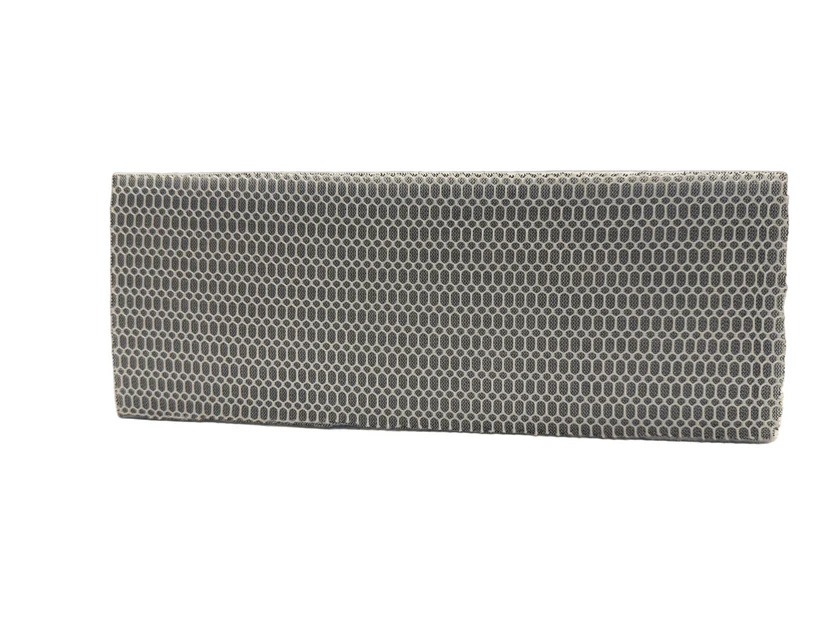
Filtration helps manage waste and suspended debris, depending on the filter design. When a filter becomes clogged, it may restrict water movement and place additional demands on the system.
Inspect filters regularly and clean or replace them according to the manufacturer's maintenance guidance. Boat owners can shop BaitWell Buddy System to explore a live bait management solution. Review the product specifications to determine whether it suits the existing setup.
For routine maintenance, explore BaitWell Buddy Replacement Filters and confirm compatibility with the equipment before ordering.
6. Follow a Regular Maintenance Schedule
Routine inspections help identify small issues before they interrupt a fishing trip. Before departure, check the pump, electrical connections, plumbing, and related components.
Use this simple checklist:
Inspect the intake for debris or blockages.
Check hoses and fittings for leaks.
Confirm that the pump operates normally.
Verify that water flows freely through the system.
Inspect filtration and aeration components.
Monitor water temperature and baitfish behavior.
Follow the manufacturer's recommended service intervals, and replace damaged parts with compatible components.
7. Prepare for Pump Problems on the Water
Even well-maintained equipment can experience unexpected failures. Boat owners should understand how their livewell system operates and know where to find the relevant controls and maintenance instructions.
Carry suitable spare parts when practical, and address unusual changes in water flow promptly. If circulation fails, monitor baitfish closely and use an appropriate alternative method to maintain water conditions while resolving the problem.
Keep Your Livewell Ready for Every Trip
Livewell pump performance depends on correct sizing, proper installation, unobstructed water flow, and regular maintenance. A dependable pump supports circulation, while compatible aeration and filtration equipment help manage other water-quality requirements.
Inspect your setup before leaving the dock, monitor its performance during fishing, and follow manufacturer guidance when servicing components. These habits can help boat owners maintain a more reliable livewell and reduce avoidable equipment problems.