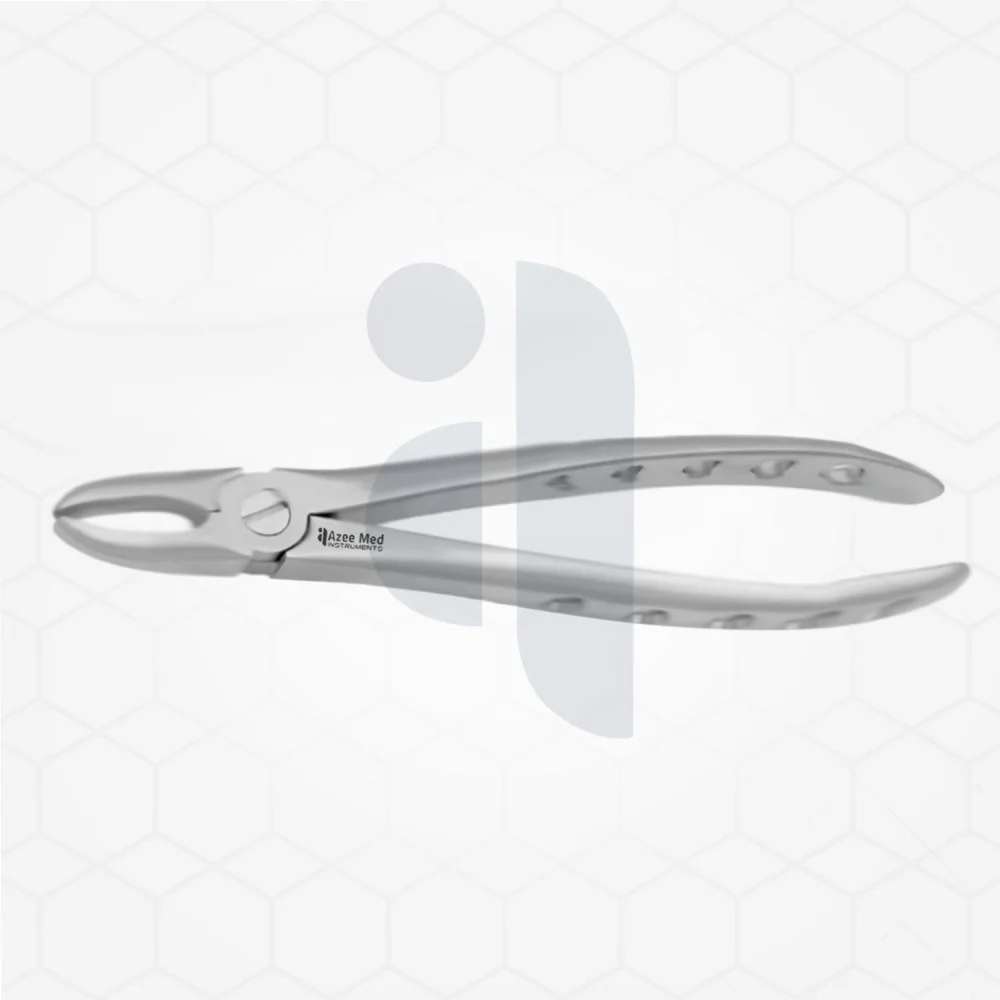
A surgical instrument is an essential tool used by medical professionals to perform surgical procedures with precision, control, and efficiency. These instruments help surgeons handle tissues, cut, dissect, grasp, clamp, retract, and perform many other tasks during operations. Moreover, each instrument serves a specific purpose, which makes proper selection important for achieving an organized surgical workflow.
In modern healthcare, surgical instruments support a wide range of specialties, including general surgery, dentistry, orthopedics, ophthalmology, gynecology, and plastic surgery. As medical techniques continue to advance, manufacturers develop instruments with improved designs, materials, and functionality. Consequently, healthcare professionals can choose tools that meet the demands of different procedures and clinical environments.
Understanding the Role of Surgical Instruments
Every surgical instrument serves a particular function in the operating room or clinical setting. For example, cutting instruments help surgeons divide tissues, grasping instruments hold tissues or materials, and retractors improve access to the surgical site. Similarly, specialized instruments assist professionals with delicate tasks that require accuracy and controlled movements.
In addition, surgical instruments help medical teams organize procedures more efficiently. When professionals select appropriate tools and arrange them properly, they can maintain a structured workflow. Therefore, understanding the purpose and design of each instrument is an important part of surgical preparation.
Different instruments vary in size, shape, working ends, and handle configurations. These variations allow healthcare professionals to select suitable tools according to the procedure, anatomical area, and clinical requirements.
Common Types of Surgical Instruments
The surgical instrument industry offers a broad range of tools designed for specific applications. Cutting and dissecting instruments, such as surgical scissors and scalpels, help professionals cut tissues or other materials during procedures. Meanwhile, grasping and holding instruments, including forceps, allow surgeons to handle tissues and hold objects securely.
Clamping instruments help control or hold structures during selected procedures, while retractors assist in exposing surgical areas. Furthermore, needle holders help medical professionals hold and guide needles during suturing. Each category contributes to a different stage of surgical practice.
Specialized instruments also support procedures in fields such as ENT, dental surgery, cardiovascular surgery, orthopedics, and ophthalmology. As a result, medical facilities often maintain instrument collections tailored to their clinical specialties and professional requirements.
Materials and Design in Surgical Instrument Manufacturing
Instrument material and construction directly influence durability, handling, and maintenance. Stainless steel remains a widely used material because it offers strength, corrosion resistance, and compatibility with appropriate sterilization processes. However, manufacturers may also use other materials or specialized finishes depending on the instrument's intended application.
Ergonomic design is another important consideration. A comfortable handle can help professionals maintain control during procedures, while a carefully shaped working end supports the instrument's intended function. In addition, balanced construction can improve handling and contribute to consistent performance.
Manufacturers also pay attention to finishing, alignment, joint movement, and surface quality. Therefore, quality inspection and careful production processes play an important role in delivering dependable instruments to healthcare professionals.
Selecting the Right Surgical Instruments
Choosing the right surgical instrument involves more than identifying its basic function. Healthcare professionals and medical buyers should consider the instrument's intended application, material, size, design, handling characteristics, and maintenance requirements.
Furthermore, purchasing teams should evaluate the quality and consistency of manufacturing. Reliable instruments can support clinical workflows when professionals use, inspect, clean, sterilize, and store them according to appropriate guidelines.
Medical facilities should also consider the needs of their surgical specialties. For instance, an ophthalmic instrument may require a finer design than an instrument intended for general surgical applications. Likewise, dental, orthopedic, and ENT professionals often rely on specialized instrument designs to meet their procedural needs.
Grey Medical® and Surgical Instrument Craftsmanship
Grey Medical® is a privately owned medical technology company dedicated to innovation and excellence in the craft of surgical instrument. The company focuses on providing surgical instruments for healthcare professionals, hospitals, clinics, distributors, and businesses worldwide.
Quality craftsmanship, practical design, and attention to detail are important aspects of surgical instrument manufacturing. Accordingly, Grey Medical® aims to support medical professionals and businesses with a broad range of instruments for different surgical forcep specialties and applications.
From general surgery and plastic surgery to dental, orthopedic, ENT, ophthalmic, and other specialized fields, selecting the appropriate instruments remains an important consideration for professional buyers. Grey Medical® emphasizes instrument expertise, manufacturing capability, and customer support to help customers source products that meet their requirements.
Conclusion
A surgical instrument plays a fundamental role in modern healthcare by helping medical professionals perform a wide range of surgical tasks. From cutting and grasping to retracting and suturing, each instrument supports a specific function that contributes to an organized clinical workflow.
Moreover, instrument design, material quality, craftsmanship, and proper maintenance all influence usability and durability. By selecting appropriate instruments and following professional handling and sterilization practices, healthcare facilities can maintain their instrument collections effectively. Grey Medical® continues to focus on innovation and excellence in surgical instrument craftsmanship, supporting the diverse needs of medical professionals and businesses worldwide.