Plenty of people love the idea of a garden and quietly dread the work that seems to come with it. Endless watering, weekly weeding, and plants that sulk the moment you go on holiday can turn a pleasure into a chore. The good news is that most garden work is created at the planning stage. Choose the right plants for the right spots, set the ground up well, and a garden can coast along with little more than an occasional tidy.
This guide walks through the planning decisions that matter most. None of them are fancy, and none require a big budget. They simply shift the effort to the start, where a few hours of thought save seasons of labour later.
Start by Watching Your Own Plot
Before buying a single plant, spend a little time learning how your garden behaves. Notice where the sun falls in the morning and where it lands by late afternoon. Some corners will bake all day while others stay cool and shaded. Soil matters just as much. Dig a small hole in a few spots and see whether the earth is heavy and sticky, light and sandy, or somewhere in between.
This short study decides everything that follows. A plant that loves sun and dry soil will thrive in a hot corner and struggle in a damp shady one, and no amount of care fixes a bad match. Gardeners who work with their plot instead of against it end up doing far less rescue work. Write your observations down, even roughly, because they become your shopping rules.
Choose Plants That Want to Live With You
The heart of a low effort garden is plant choice. Look for tough, long lived perennials and shrubs that suit your soil and light, rather than delicate plants that need constant feeding, staking, and spraying. Once settled, a well matched shrub asks for little beyond an annual trim. Hardy perennials return each year on their own, filling more space each season and leaving less room for weeds.
Ground cover plants deserve special mention. A dense mat of low growing plants shades the soil, holds moisture, and blocks most weed seeds from sprouting. Lawns, by contrast, are among the most demanding surfaces in any garden, needing regular cutting, feeding, and watering to look decent. Replacing even part of a lawn with planting beds or ground cover cuts your weekly work at a stroke. If you want deeper help matching plants to conditions, the gardening guides and plant care tips at Zoned Garden cover soil, planting, and care in plain language for gardens of every size.
Set the Soil Up Once, Properly
Plants in good soil look after themselves far better than plants in poor soil that get constant feeding. Before planting a new bed, clear it thoroughly, then spread a thick layer of compost or well rotted manure over the surface and work it in lightly. This single job improves drainage in heavy soil and helps sandy soil hold water, so it pays off in both directions.
After planting, mulch the bed with bark, straw, or more compost, spread several centimetres deep. Mulch is the quiet hero of the easy garden. It keeps moisture in the ground, keeps the soil temperature steadier, and smothers most weed seedlings before they get going. Top it up once a year and the bed largely manages itself. Skipping mulch to save an afternoon is the most expensive shortcut in gardening.
Water Smart, Not Often
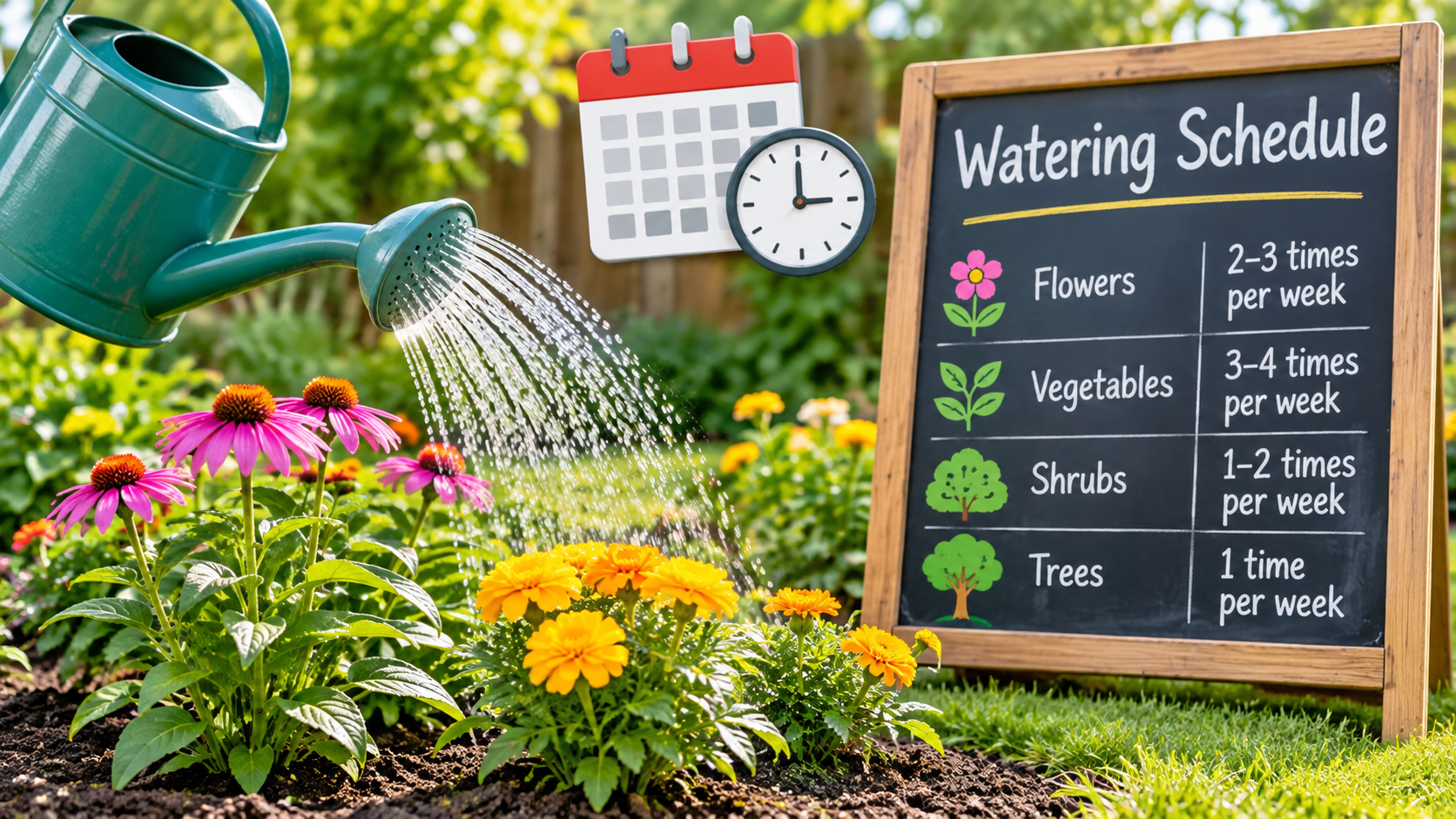
New plants need regular water while their roots settle, but established plants in mulched soil need far less than most people think. When you do water, water deeply and less often, so roots grow downward in search of moisture instead of staying near the surface. A long soak once a week in a dry spell beats a light sprinkle every day.
Grouping plants by their water needs makes this even easier. Put the thirstier plants together near the tap or hose, and let the far corners hold the drought tolerant ones that can fend for themselves. If you travel often, a simple timer on an outdoor tap, or even a row of filled watering cans left in shade, can carry a garden through a week away. Rain barrels under a downspout give you free water and soften the blow of dry spells.
Let Go of Perfect Edges
A garden that must look immaculate at all times will always demand work. A garden allowed to look natural and full asks for far less. Leave seed heads standing over winter, since they feed birds and shelter helpful insects, and cut them back in spring when new growth starts. Let a corner grow a little wild. Many helpful creatures, from ladybirds to frogs, keep pest numbers down for free when they have somewhere to live.
Weeding also changes when the garden fills in. In a young bed you will weed while plants are small and gaps are wide. As the planting knits together and shades the ground, weeds lose their foothold and your visits drop to a quick walk with a hoe now and then. Patience in the first two seasons buys freedom in every season after.
A Small Seasonal Rhythm
Even the easiest garden benefits from a light routine. In spring, top up mulch and cut back last year growth. In summer, water during long dry spells and deadhead only if you enjoy it. In autumn, plant new additions so roots settle over winter, and leave most tidying until spring. That is honestly most of it.
The secret is not a secret at all. Match plants to the plot, feed the soil once, cover the ground, and water with a little thought. Do those four things at the planning stage and your garden will mostly look after itself, leaving you free to simply sit in it and enjoy the view.