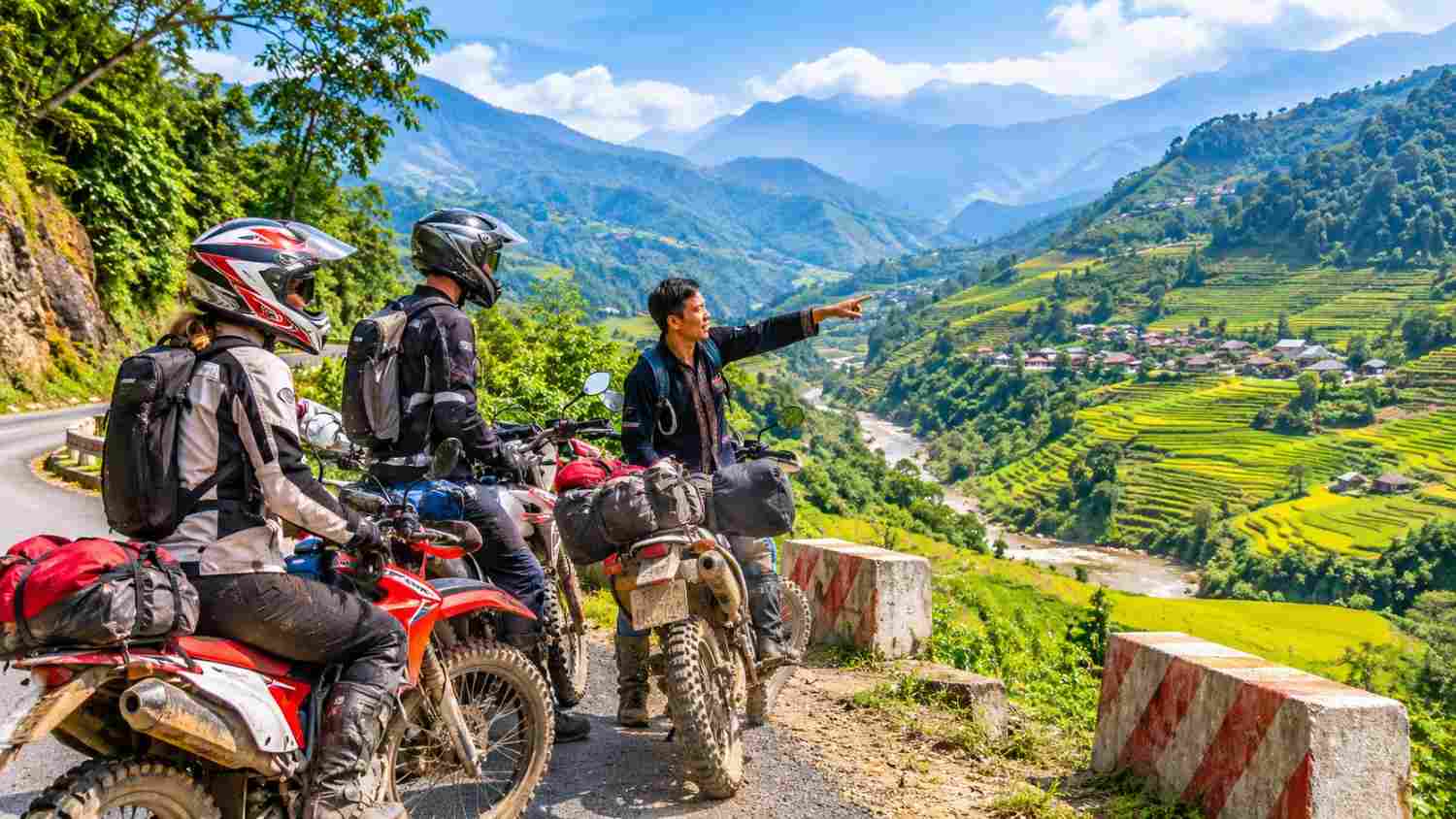
Vietnam is a country that rewards travellers who are willing to explore beyond the usual tourist routes. From winding mountain passes and peaceful countryside roads to vibrant cities, traditional villages, and spectacular coastlines, the country offers incredible opportunities for adventure. Exploring these landscapes on a motorcycle allows you to experience Vietnam at a different pace, stopping whenever a beautiful view, local market, or fascinating cultural attraction catches your attention.
However, an unforgettable motorcycle holiday requires more than simply choosing a bike and hitting the road. Careful planning helps you enjoy the best routes, understand local driving conditions, and discover places that many conventional tours overlook. Whether you are an experienced rider or planning your first motorcycle adventure abroad, the right preparation can transform your journey into a memorable experience.
Here is how to plan a motorcycle holiday that combines adventure, comfort, safety, and authentic Vietnamese culture.
1. Choose the Right Route for Your Travel Style
The first step is deciding what kind of experience you want from your motorcycle holiday. Vietnam offers a remarkable variety of landscapes, and your route will influence everything from daily riding distances to the scenery and cultural experiences you encounter.
If you enjoy dramatic mountain scenery, northern Vietnam is an excellent choice. The Ha Giang region is famous for its winding roads, limestone mountains, deep valleys, and ethnic minority communities. Riders looking for a more relaxed adventure may prefer the Central Highlands, where forested hills, coffee plantations, waterfalls, and quiet rural roads create a different atmosphere.
Southern Vietnam offers another appealing option. Routes around Ho Chi Minh City can take you through rural communities, agricultural landscapes, coastal areas, and the highlands beyond the city. Travellers interested in cooler weather and scenic mountain roads should also consider Da Lat, which provides access to pine forests, countryside villages, and beautiful highland landscapes.
When choosing your route, consider your available time, riding experience, preferred scenery, and comfort level. A shorter journey with fewer daily kilometres may allow more opportunities to explore local attractions, while a longer expedition can reveal the diversity of Vietnam's regions.
The best itinerary is not necessarily the longest one. It is the one that matches your interests and gives you enough time to enjoy the journey.
2. Decide Whether a Guided Motorcycle Tour Is Right for You
Planning every detail independently can be exciting, but navigating unfamiliar roads, arranging accommodation, and communicating across language barriers can also become challenging. A guided tour offers a practical alternative, particularly for travellers visiting Vietnam for the first time.
Experienced local guides understand regional road conditions, seasonal weather patterns, and the destinations that are worth exploring. They can help you discover Vietnam with experienced local guides who know how to connect scenic riding with meaningful cultural experiences.
A knowledgeable guide can also introduce you to local food, traditional crafts, rural lifestyles, and lesser-known places that may not appear in standard travel itineraries. Instead of spending valuable holiday time researching every stop, you can focus on enjoying the ride.
Before booking, check what the tour includes. Ask about motorcycle rental, accommodation, meals, fuel, luggage transportation, support vehicles, and emergency assistance. Find out whether the itinerary is suitable for your riding ability and whether the tour offers a choice between riding independently and travelling as a passenger, where available.
It is also important to confirm the operator's approach to safety, insurance, and licensing requirements. International visitors should verify that their driving licence and any required international driving permit are valid for the motorcycle category and legally recognised in Vietnam.
A well-organised guided tour can make your holiday smoother while allowing you to experience the country with greater confidence.
3. Select a Motorcycle and Prepare for the Road
Your motorcycle should suit both your experience and the terrain you plan to cover. Choosing a bike that feels comfortable and manageable is generally more important than selecting the largest or most powerful model.
For winding mountain roads and rural routes, a lightweight motorcycle may offer easier handling. Riders planning longer journeys should also consider seat comfort, luggage capacity, fuel range, and the availability of maintenance support.
If you are renting a motorcycle, inspect it before departure. Check the tyres, brakes, lights, mirrors, horn, and visible condition of the chain and controls. Make sure you understand how the motorcycle operates and ask the rental provider about roadside assistance.
Vietnam's road conditions can vary considerably. Busy urban streets may feature dense traffic, while mountain routes can include sharp bends, steep gradients, potholes, and occasional livestock crossings. Rain can reduce visibility and traction, making familiarisation with the motorcycle especially important.
Always wear a properly fitted helmet and appropriate protective clothing, including gloves and sturdy footwear. A waterproof jacket, riding trousers, and protective layers can make a substantial difference during changing weather conditions.
Before setting off, confirm your legal eligibility to ride, carry the required documents, and arrange appropriate insurance. Never assume that a standard travel insurance policy automatically covers motorcycle riding.
4. Plan Your Budget, Accommodation, and Travel Season
A realistic budget helps you enjoy your adventure without unnecessary stress. The overall cost of a motorcycle holiday depends on the route, tour duration, accommodation standards, motorcycle type, meals, and included services.
When comparing tour packages, look beyond the advertised price. A package that includes accommodation, fuel, meals, a local guide, and support services may offer better overall value than a cheaper option with several additional expenses.
Accommodation also deserves attention. Vietnam offers everything from simple family-run guesthouses to comfortable hotels and boutique countryside stays. Choosing accommodation along your route can help you experience local hospitality while allowing enough time to rest between riding days.
Weather is another important consideration. Vietnam has different regional climates, so conditions can vary significantly between the north, central regions, and south. Mountain areas may experience sudden changes in temperature, while heavy rain can affect road conditions and travel times.
Research the expected weather for your specific destinations rather than relying on a single nationwide forecast. Build flexibility into your itinerary so you can adjust plans if conditions become unsuitable for riding.
Finally, avoid scheduling every day too tightly. Allow time for unexpected delays, sightseeing, photographs, and spontaneous discoveries. A flexible schedule often produces a more rewarding holiday than an itinerary focused entirely on covering distance.
5. Make Cultural Experiences Part of Your Journey
One of the greatest advantages of motorcycle travel experiences in Vietnam is the opportunity to connect with the country beyond its most famous attractions.
Travelling through rural areas allows you to observe everyday life, from farmers working in the fields to families preparing traditional dishes and local traders selling fresh produce. Small towns and villages often provide a more personal understanding of Vietnam's cultural diversity.
Food is another essential part of the experience. Depending on the region, you might enjoy a steaming bowl of pho, freshly prepared noodles, grilled dishes, or locally grown coffee. Ask your guide for recommendations on reputable local places to eat, particularly when exploring areas away from major tourist centres.
Natural attractions can add variety to your itinerary. Waterfalls, lakes, mountain viewpoints, coffee plantations, and quiet countryside roads offer opportunities to take breaks from riding and appreciate the surrounding landscape.
Travel respectfully by asking permission before photographing people, dressing appropriately when visiting religious sites, and following local customs. When visiting ethnic minority communities, remember that villages are people's homes rather than simply tourist attractions.
Choosing locally owned accommodation, restaurants, and services can also help support the communities that make your journey special.
The most memorable moments are often the simplest: sharing a meal, learning about a local tradition, or discovering a beautiful road that was never part of the original plan.
6. Build a Practical Itinerary and Enjoy the Adventure
Once you have chosen your route, motorcycle, and travel dates, bring everything together in a practical itinerary.
Start by estimating realistic daily riding times. Do not calculate your schedule using distance alone, because winding roads, traffic, roadworks, and weather can make even relatively short journeys take longer than expected.
Identify fuel stops, suitable places to eat, overnight accommodation, and attractions along the way. Keep essential documents accessible and save offline maps in case mobile coverage becomes unreliable.
Pack lightly but thoughtfully. Useful items include riding clothes, rain protection, sunscreen, personal medication, a small first-aid kit, reusable water bottles, and chargers for your devices. Keep valuables secure and carry enough cash for rural areas where card payments may not be available.
If you want to plan a guided motorbike holiday, discuss your expectations with the tour operator before confirming your booking. Share your riding experience, preferred pace, interests, and any special requirements. This helps the operator recommend a route that balances adventure with comfort.
Most importantly, remain flexible. You may encounter an unexpected viewpoint, an inviting local café, or a village festival that deserves an extra stop. Leave room for these moments rather than treating every kilometre as a target.
A successful motorcycle holiday is not measured only by how far you travel. It is measured by the places you discover, the people you meet, and the memories you bring home.
Conclusion
Planning an unforgettable two-wheeled holiday in Vietnam begins with choosing the right route, preparing your motorcycle, understanding local road conditions, and deciding how you want to experience the country. With thoughtful preparation, you can enjoy dramatic landscapes, authentic food, welcoming communities, and the freedom of exploring at your own pace.
For travellers seeking a smoother and more rewarding adventure, a guided tour can provide valuable local knowledge, practical support, and access to experiences beyond the usual tourist trail.
Whether you dream of riding through mountain passes, exploring the Central Highlands, or discovering the countryside beyond Ho Chi Minh City, Vietnam offers countless opportunities for adventure.
Start planning your journey, choose the experience that suits you best, and get ready to discover the country one unforgettable road at a time.