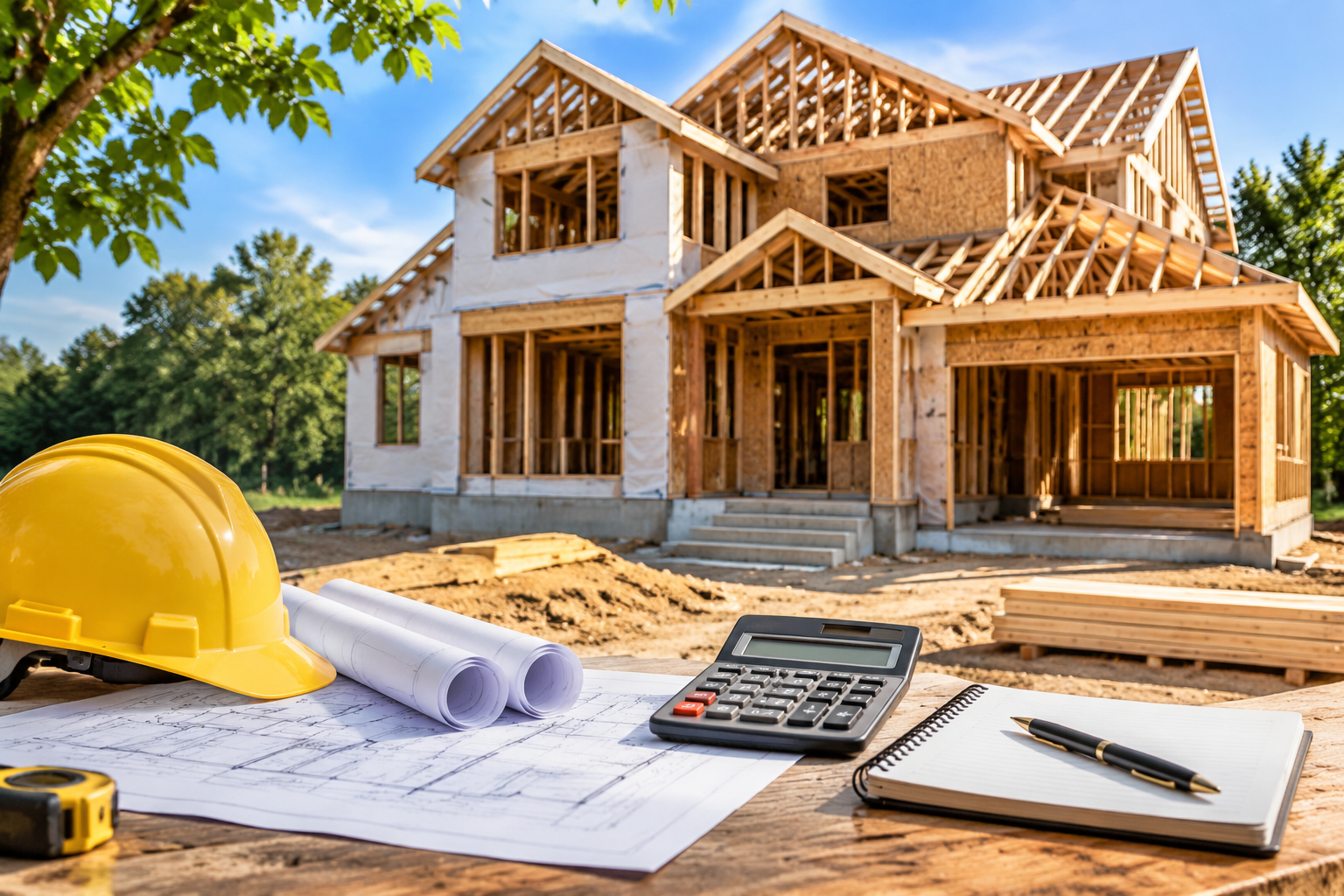
Ask anyone who has lived through a messy building project and you will hear the same story. The budget drifted, the schedule slipped, materials arrived in the wrong order, and small decisions made in a panic turned into expensive problems. Yet other projects, just as large, run calmly from start to finish. The difference is rarely luck. It is planning, done early and written down, before the first tool comes out of a van.
This guide lays out the order that calm projects follow. Whether you are adding a room, renovating a kitchen, or building from the ground up, the same sequence applies. Follow it and the chaos that ruins most projects never gets a foothold.
Write Down What Done Looks Like
Every project needs a clear finish line before it has a start date. Write down exactly what you want the finished work to be, room by room, in plain words. A vague wish like a nicer kitchen leads to arguments later, because everyone pictures something different. A written scope, even a simple one, gives you, your builder, and your budget the same target.
Decide your priorities while you are calm. List what truly matters, what would be nice, and what you can drop if money gets tight. Projects rarely fail on the big items. They fail on the slow drip of small upgrades added midstream, each one reasonable, together ruinous. A scope you can point to turns those moments into quick decisions instead of long debates. If you want help turning rough ideas into a proper scope and budget, the construction guides and building advice at ConstructionSpedia walk through planning, costs, and common pitfalls in plain language.
Build a Budget With Room to Breathe
A realistic budget has three parts. First, the quotes for the work itself, gathered from at least two or three builders so you can see the honest range. Second, the costs people forget, such as permits, inspections, waste removal, temporary storage, and eating out while a kitchen is out of action. Third, a contingency fund, because old walls and old floors always hide surprises.
Ten to fifteen percent held back for the unexpected is a sensible figure for most renovations. It feels painful to set money aside for problems you cannot see, but discovering rot or faulty wiring without a reserve is how projects stall half finished. Track spending in a simple notebook or spreadsheet as you go. Knowing exactly where you stand each week stops small overruns from quietly becoming big ones.
Get the Paperwork Done Before the Work
Permits and approvals are boring, and skipping them is one of the costliest mistakes in building. Work done without the right permit can be ordered undone, can block a future sale, and can void insurance if something goes wrong. Apply early, because approval times vary and rarely match your optimism. While you wait, confirm who is responsible for inspections at each stage and write those dates into your plan.
Contracts matter just as much. A written agreement with your builder should cover the scope, the price, the payment schedule, and how changes will be handled. Payments tied to completed stages protect both sides. Avoid large payments up front, and never let the final payment go out before you have walked the finished work and listed anything left to fix.
Sequence the Work in the Right Order
Building work has a natural order, and fighting it creates chaos. Structure comes before finishes. Roof and windows before plaster. Plumbing and wiring runs before walls close. Floors near the end, so they are not ruined by ladders and toolboxes. A good builder will plan this sequence with you and explain where the waiting points are, because some stages cannot start until an inspection passes or materials cure.
Order long lead items early. Windows, doors, tiles, and kitchen units often take weeks to arrive, and a project standing idle while everyone waits for a delivery burns money and patience. Keep a simple timeline on one page, with each stage, its start, and what must be finished before it. When a delay happens, and some delay always happens, the timeline shows you what shifts and what still holds.
Communicate Like It Is Your Job
Most project stress comes from surprises, and most surprises come from silence. Agree on one regular update, even fifteen minutes a week, where you and your builder review progress, costs, and the week ahead. Raise concerns the moment you spot them. A misaligned wall noticed early is an adjustment. The same wall noticed after tiling is a demolition.
Keep every decision in writing, even a quick message after a phone call. Memories differ, especially under pressure, and a short note settles questions before they become disputes. Be decisive where you can. Builders can work around almost any choice, but they cannot work around a choice that keeps changing.
Plan for Living Through It
If you will stay in the home during the work, plan that too. Agree on working hours, where materials and tools will be stored, and how dust and noise will be contained. Set up one clean, comfortable room that stays yours throughout. Small courtesies on both sides keep a long project friendly.
In the end, calm projects are not the ones where nothing goes wrong. They are the ones where the scope was written, the budget had a cushion, the paperwork came first, and everyone knew what happened next. Plan in that order, and your project can be remembered for the result instead of the chaos.