



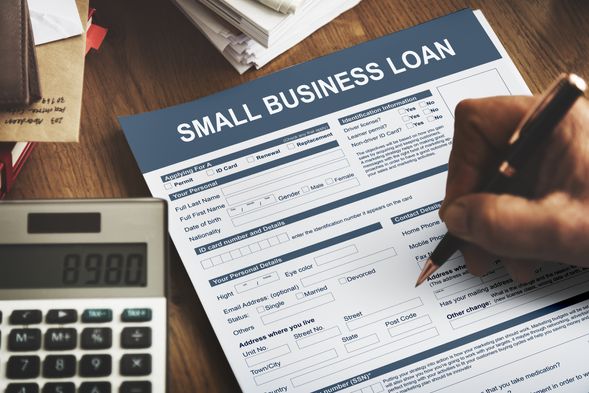

Starting and running a small business can be an exciting journey, but it comes with its challenges, especially when it comes to financing. One crucial aspect of financing that many entrepreneurs encounter is the small business loan. In this article, we will explore what is a small business loan, the different types available, and how to calculate the interest associated with these loans.
What Is a Small Business Loan?
A small business loan is a type of funding specifically designed for small business owners to help them manage operational expenses, grow their business, or invest in new ventures. Unlike personal loans, small business loans are assessed based on the business’s financial health, creditworthiness, and potential for profitability. These loans can be obtained from various sources, including banks, credit unions, online lenders, and government programs.
Types of Small Business Loans
- Term Loans: These are traditional loans offered by banks or credit unions that are paid back in fixed installments over a predetermined period. They are generally used for significant investments, such as purchasing equipment or expanding operations.
- SBA Loans: Backed by the U.S. Small Business Administration, these loans are designed to help small businesses access funding with lower interest rates and longer repayment terms. The most common SBA loan is the 7(a) loan, which can be used for various business purposes.
- Lines of Credit: A business line of credit provides flexible funding options. Businesses can draw on this credit whenever needed, repaying only what they use. It’s an excellent option for managing cash flow and unexpected expenses.
- Equipment Financing: This type of loan is specifically for purchasing equipment, allowing businesses to use the equipment as collateral. This can help ease the financial burden of acquiring essential tools and machinery.
- Microloans: Typically offered by nonprofit organizations, microloans are small amounts of funding aimed at startups or businesses in underserved communities. These loans are often accompanied by mentorship and support.
- Invoice Financing: This type of funding allows businesses to borrow against their unpaid invoices, providing immediate cash flow. When customers pay their invoices, the loan is settled.
Benefits of Small Business Loans
- Access to Capital: Small business loans provide the necessary funding that can be critical for starting or growing a business.
- Flexibility: Depending on the type of loan, funds can be used for a wide range of purposes, from buying inventory to managing operational costs.
- Building Credit: Successfully managing a business loan can help enhance a business’s credit profile, making it easier to secure additional funding in the future.
Understanding Interest Rates
When exploring the topic of small business loans, it’s essential to delve into one of the most crucial aspects: interest rates. The interest rate is the cost of borrowing money and is typically expressed as a percentage. Understanding how to calculate business loan interest can save business owners a considerable amount of money and help them make informed decisions.
How to Calculate Business Loan Interest
Calculating the interest on a business loan involves several key components. Here’s a breakdown of the process to understand how to calculate business loan interest effectively:
Key Terms to Know
- Principal: This is the initial amount borrowed or the loan amount.
- Interest Rate: This is the percentage charged on the principal amount for borrowing money.
- Loan Term: This represents the length of time over which the loan is to be repaid.
- Amortization: This is the process of spreading out the loan payments over time, including both principal and interest.
Step-by-Step Calculation
- Identify the Principal Amount: Determine the amount of money you are borrowing.
- Determine the Interest Rate: Find the annual interest rate, which is often provided by the lender. For instance, if the interest rate is 6%, it should be converted into decimal form (0.06) for calculations.
- Choose the Loan Term: Decide how long you will take to repay the loan. Usually, loan terms can range from a few months to several years.
- Calculate Monthly Interest: If the loan term is in years, convert it to months by multiplying the number of years by 12. Here’s a quick formula: text{Monthly Interest Rate} = frac{text{Annual Interest Rate}}{12} = frac{0.06}{12} = 0.005 text{ (for a 6% interest rate)}
- Calculate Total Interest: To find the total interest over the life of the loan, you can use the following formula if you’re dealing with a fixed-rate loan: Total Interest=Principal×Monthly Interest Rate×Loan Term in Months For instance, if you borrow $10,000 for 5 years at 6% interest:
-
- Monthly Interest Rate = 0.005
- Loan Term in Months = 5 years × 12 months/year = 60 months
- Total Interest = $10,000 × 0.005 × 60 = $3,000
- Calculate Total Payments: The total amount paid over the loan term will be the principal plus the total interest: Total Payments=Principal+Total Interest So in our example: text{Total Payments} = $10,000 + $3,000 = $13,000
- Monthly Payment Calculation: To find out how much you would need to pay each month, divide the total payments by the loan term in months: Monthly Payment=Loan Term in MonthsTotal Payments=6013,000≈216.67
Considerations
- Variable Rates: If your loan has a variable interest rate, calculating interest can become more complex, as the rate may change throughout the loan term.
- Fees and Additional Costs: Be sure to take into account any fees associated with the loan, such as application fees or closing costs, as they can impact the overall cost.
- Using Loan Calculators: Many banks and online lenders offer loan calculators that can quickly assist with calculating monthly payments and interest, making it easier for business owners to make decisions.
Conclusion
Understanding what a small business loan is and how interest is calculated is crucial for business owners looking to secure financing. By familiarizing yourself with the various types of loans available and being able to calculate the interest, you can make informed decisions that align with your business goals. Whether you’re seeking to launch a startup or expand your existing business, a small business loan can be the financial support you need to thrive. Always take the time to assess your options and consult with financial professionals to ensure you choose the right type of financing for your unique situation. Armed with this knowledge, you can navigate the world of small business loans confidently and successfully.