






Introduction
Let’s face it: the days of developing a property based on a “gut feeling” and a handshake are long gone. The modern real estate market is unforgiving. Land costs are at an all-time high, construction labor is scarce, and investors are demanding tighter timelines and higher returns. There is simply no room for error.
In this environment, you cannot afford to fly blind. You can’t wait until the steel is going up to realize the design doesn’t work, or that the budget was based on optimistic guesses rather than hard data.
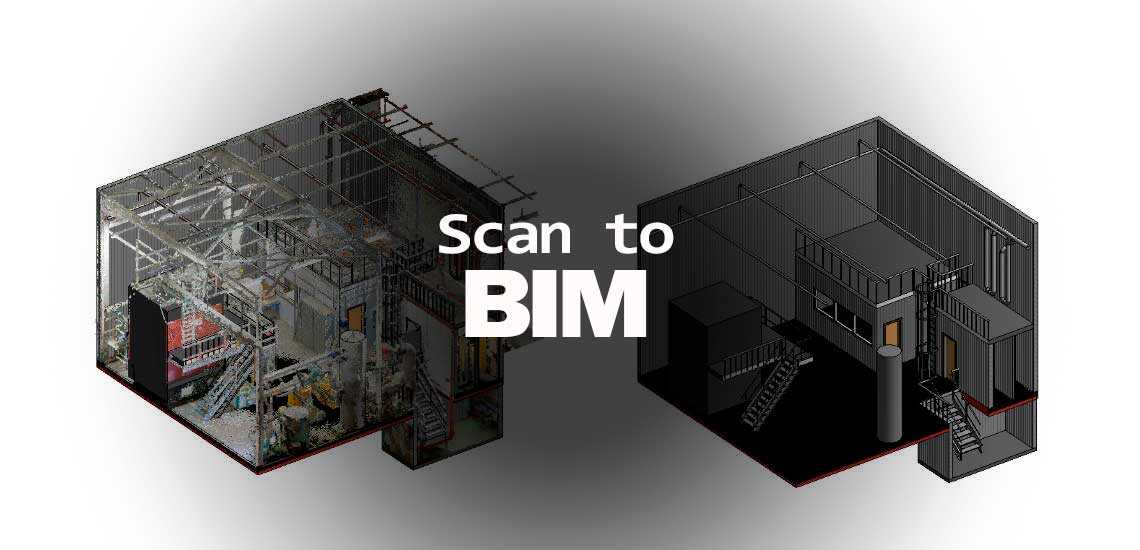
To navigate this complexity, smart developers are turning to professional scan to BIM services not just as a technical design requirement, but as a strategic asset. It’s no longer about just getting a permit; it’s about getting certainty. It’s about building the project digitally before you risk a single dollar in the real world.
Selling the Dream Before the Ground Breaks
One of the hardest parts of development is selling a vision that doesn’t exist yet. Whether you are trying to secure capital from skeptical investors or pre-lease luxury office space to high-end tenants, you are essentially asking them to trust your imagination.
Spreadsheets and 2D floor plans are terrible at selling dreams. Most people just see lines on a page.
BIM changes the pitch completely. Because the model is a high-fidelity digital replica of the future building, you can generate photorealistic visuals that look like photographs. You can take a potential tenant on a virtual walkthrough of their future lobby. You can show an investor the exact view from the penthouse before the foundation is even poured. This visual clarity accelerates approvals, secures pre-sales, and gets stakeholders excited in a way that blueprints never could.
The Financial Guardrail: Protecting ROI
We all know the nightmare scenario: the project that starts well but slowly bleeds money through “unforeseen conditions” and endless change orders. Every time a contractor has to stop work to resolve a conflict, your ROI takes a hit.
BIM acts as your financial guardrail. It allows you to “stress test” the construction process. By identifying clashes-like a structural beam hitting a mechanical shaft-in the computer, you solve the problem for free.
If that clash is found on site, it costs thousands of dollars and days of delay. By using BIM to validate the design and extract accurate material quantities, you ensure that the numbers in your pro-forma actually match the numbers on the final invoice. It turns construction from a gamble into a controlled manufacturing process.
Building for the Future (The Asset Lifecycle)
For a long time, the developer’s job ended at the ribbon cutting. But today, the real value of an asset is often defined by how it performs over the next 50 years. Institutional buyers and savvy owners are looking for “smart” buildings that are efficient to run.
BIM provides a “Digital Twin” of the building. This is a massive value-add for the handover. Instead of handing the facility manager a basement full of dusty paper rolls, you hand them a digital model where every valve, light fixture, and mechanical unit is tagged with maintenance data.
This makes the building cheaper to operate and easier to maintain. When it comes time to sell the asset, having this digital history makes the property far more attractive than a competitor building that is running on guesswork.
Conclusion
Real estate is no longer just about concrete, steel, and glass. It’s about information. In the modern market, the developers who control the data are the ones who control the margins.
BIM is the tool that gives you that control. It bridges the gap between a risky idea and a profitable reality.
But managing this digital layer requires expertise. You need a partner who understands not just the software, but the business of development. This is where Next Synergy Solution comes in. We help developers transform static blueprints into high-performing, data-rich assets, ensuring that your development stays profitable from the first sketch to the final sale.