






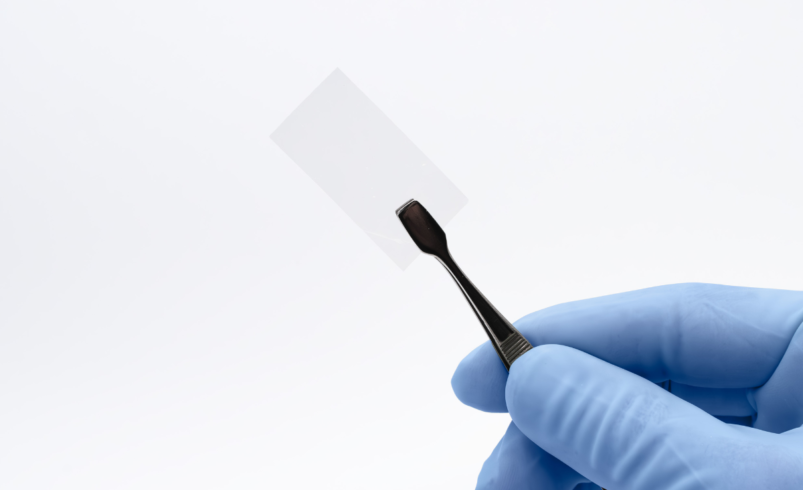

The field of wound care has advanced rapidly over the past decade, driven by innovations that focus on faster healing, reduced complications, and better patient outcomes. Among these breakthroughs, the amniotic skin graft has emerged as a powerful solution, redefining what modern medicine can achieve with a skin substitute. Unlike traditional grafts and synthetic dressings, amniotic skin grafts harness the body’s natural regenerative mechanisms to promote more effective and long-lasting healing.
As chronic wounds, surgical injuries, and traumatic skin damage become increasingly common due to aging populations and rising rates of diabetes, the demand for advanced skin substitutes continues to grow. Amniotic skin grafts are meeting this demand by offering a biologically active, versatile, and patient-friendly option that is transforming wound management practices worldwide.
Understanding Skin Substitutes in Modern Medicine
A skin substitute is any biological or synthetic material used to temporarily or permanently replace damaged skin. These products are commonly used to treat burns, ulcers, surgical wounds, and traumatic injuries when natural healing is slow or insufficient.
Traditional skin substitutes fall into three main categories:
-
Autografts: Skin taken from the patient’s own body
-
Allografts: Skin or tissue taken from human donors
-
Synthetic substitutes: Lab-engineered materials designed to mimic skin structure
While each type has its benefits, they also come with limitations such as donor site pain, risk of rejection, limited availability, or lack of biological activity. These challenges have driven the search for better alternatives—leading to the rise of amniotic skin grafts as a next-generation solution.
What Is an Amniotic Skin Graft?
An amniotic skin graft is derived from the amniotic membrane, the innermost layer of the placenta. This tissue is rich in growth factors, cytokines, and extracellular matrix proteins that play a critical role in tissue regeneration and wound healing.
Collected from consenting donors during planned cesarean deliveries, amniotic tissue is carefully processed and preserved to maintain its biological properties while ensuring safety and sterility. The resulting graft can be applied directly to wounds to promote healing and protect the wound bed.
What makes the amniotic skin graft unique as a skin substitute is its ability to actively support the healing process rather than simply covering the wound.
Why Amniotic Skin Grafts Are Redefining Skin Substitutes
1. Biologically Active Healing Support
Unlike many synthetic skin substitutes that serve primarily as physical barriers, amniotic skin grafts are biologically active. They contain:
-
Growth factors that stimulate cell migration and proliferation
-
Anti-inflammatory proteins that reduce swelling and redness
-
Anti-scarring agents that improve cosmetic outcomes
This combination helps accelerate the body’s natural healing response, leading to faster wound closure and healthier tissue formation.
2. Reduced Inflammation and Pain
Chronic wounds often remain stuck in a prolonged inflammatory phase, delaying healing and increasing patient discomfort. Amniotic skin grafts help regulate inflammation, allowing wounds to progress into the regenerative phase more efficiently.
Many patients report reduced pain after treatment, which can significantly improve quality of life—especially for individuals dealing with long-term wounds such as diabetic foot ulcers.
3. Immune-Privileged Properties
One of the most important advantages of an amniotic skin graft as a skin substitute is its immune-privileged nature. The amniotic membrane lacks certain antigens that typically trigger immune rejection.
This means:
-
Lower risk of graft rejection
-
Reduced need for immunosuppressive therapies
-
Improved compatibility across a wide patient population
These properties make amniotic skin grafts a safer and more reliable option than many traditional allografts.
4. Enhanced Tissue Integration
Successful wound healing depends on how well a graft integrates with the surrounding tissue. Amniotic skin grafts provide a natural scaffold that supports:
-
Cell attachment and growth
-
New blood vessel formation (angiogenesis)
-
Strong adherence to the wound bed
This results in more stable healing and reduces the likelihood of graft failure.
5. Improved Cosmetic and Functional Outcomes
Scarring can impair both appearance and mobility, especially when wounds occur near joints or on visible areas such as the face or hands. Amniotic skin grafts promote organized tissue regeneration, minimizing excessive scar formation.
As a result, patients often experience:
-
Smoother skin texture
-
Better pigmentation matching
-
Greater flexibility and range of motion
These benefits make amniotic skin grafts especially valuable in reconstructive and cosmetic procedures.
Applications of Amniotic Skin Grafts
The versatility of amniotic skin grafts has made them a preferred skin substitute across a wide range of medical fields.
Chronic Wounds
Patients with diabetic ulcers, venous leg ulcers, and pressure sores often struggle with delayed healing. Amniotic skin grafts have demonstrated high success rates in promoting wound closure and reducing recurrence.
Surgical Wounds
Post-surgical healing can be unpredictable, particularly in high-risk patients. Applying an amniotic skin graft can help accelerate recovery, reduce infection risk, and improve scar quality.
Burn Treatment
In burn care, amniotic skin grafts provide a protective barrier that reduces pain, prevents infection, and supports tissue regeneration—making them a valuable temporary or adjunctive skin substitute.
Orthopedic and Sports Injuries
Amniotic tissue is increasingly used to treat soft tissue injuries, tendon damage, and joint conditions due to its regenerative and anti-inflammatory properties.
Clinical Evidence Supporting Amniotic Skin Grafts
A growing body of clinical research supports the effectiveness of amniotic skin grafts as a superior skin substitute. Studies show that wounds treated with amniotic grafts often heal faster and more completely than those treated with standard care alone.
Patients receiving amniotic skin grafts frequently experience:
-
Shorter healing times
-
Lower infection rates
-
Reduced need for repeat procedures
-
Improved long-term outcomes
These findings have contributed to the widespread adoption of amniotic skin grafts in wound care centers, hospitals, and specialty clinics.
The Future of Skin Substitutes
As regenerative medicine continues to evolve, amniotic skin grafts are poised to play a central role in the future of wound care. Ongoing research is exploring new processing techniques, combination therapies, and expanded applications in areas such as:
-
Plastic and reconstructive surgery
-
Ophthalmology
-
Dental and oral surgery
-
Sports medicine
With continued innovation, the amniotic skin graft is expected to remain at the forefront of next-generation skin substitutes.
Conclusion
The amniotic skin graft is redefining what a modern skin substitute can achieve. By combining biological activity, immune compatibility, and regenerative power, it offers a superior solution for patients with chronic wounds, surgical injuries, and complex skin damage.
As clinical evidence continues to grow, amniotic skin grafts are becoming the gold standard in advanced wound care—delivering faster healing, reduced complications, and better cosmetic and functional outcomes. For healthcare providers and patients alike, this innovative technology represents a major leap forward in the science of skin regeneration.