





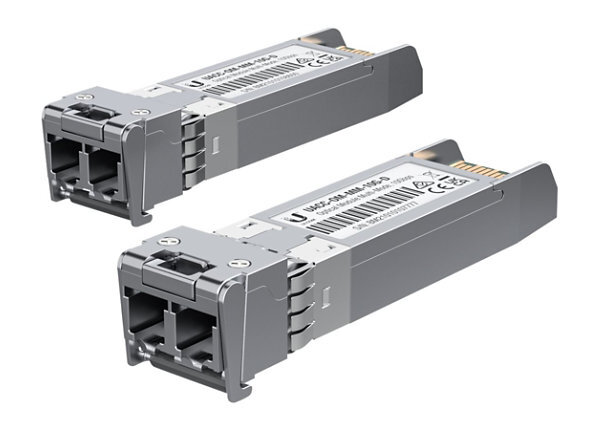

A Transceiver is one of the most essential components in today’s digital infrastructure, playing a critical role in how data is transmitted, received, and interpreted across networks. Whether it’s a small business setting up a simple LAN or a global enterprise managing complex data centers, the Transceiver remains a vital element in all forms of IT Hardware and Computer Hardware. Despite its small size, its impact on connectivity, speed, and communication reliability is massive. In this guest post, we’ll explore what a Transceiver is, how it works, its types, and its importance in modern computing systems.
Understanding the Basics of a Transceiver
The term “Transceiver” comes from the combination of two words: transmitter and receiver. As the name suggests, a Transceiver can both transmit and receive signals, making it an indispensable tool in communication systems. In modern Computer Hardware, Transceivers enable devices such as switches, routers, and servers to communicate seamlessly with one another through optical fiber or copper cables.
A Transceiver converts electrical signals to optical signals (in optical Transceivers) or prepares them for transmission through copper cables. When data arrives at the other end, another Transceiver processes and converts it back into electrical signals so the receiving hardware can interpret it. Without Transceivers, long-distance or high-speed communication across networks would be impossible.
Why the Transceiver Is Essential in IT Hardware
As digital transformation continues to accelerate, businesses rely more heavily on robust and fast communication networks. This increased demand places the Transceiver at the center of today’s IT ecosystem. From cloud computing to data analytics and from enterprise networks to home internet services, Transceivers ensure that data moves efficiently and without interruption.
In IT Hardware, Transceivers are responsible for:
-
Enhancing data transmission speed – enabling gigabit and even multi-gigabit connections
-
Maintaining signal integrity over long distances
-
Supporting diverse network infrastructure including copper Ethernet and fiber optics
-
Allowing modular configurations in switches, routers, servers, and storage systems
Because of this flexibility and scalability, Transceivers help extend the lifespan of Computer Hardware, making devices adaptable to new standards without replacing entire systems.
Types of Transceivers Used in Modern Networking
Transceivers are available in various standards and form factors, each designed for specific types of data transmission. Understanding these differences is crucial for IT managers and network engineers who want to build efficient and scalable networks.
1. SFP (Small Form-Factor Pluggable)
The SFP is one of the most commonly used Transceivers in IT and Computer Hardware systems. It supports both copper and fiber optical connections and is widely used in switches, routers, and network interface cards. SFP modules offer speeds up to 1 Gbps.
2. SFP+ (Enhanced Small Form-Factor Pluggable)
The SFP+ delivers faster performance, supporting speeds up to 10 Gbps. It is commonly used in data centers, enterprise networks, and high-performance computing environments.
3. QSFP (Quad Small Form-Factor Pluggable)
As networks require higher speeds, the QSFP has become an important Transceiver type. Offering 40 Gbps or more, it groups multiple lanes of data to handle larger bandwidth demands.
4. QSFP28
A more advanced version of QSFP, the QSFP28 supports speeds up to 100 Gbps, making it essential in modern cloud computing and hyperscale data centers.
5. XFP
Designed for 10 Gigabit Ethernet and optical networks, the XFP Transceiver supports long-distance fiber connections.
6. Copper Transceivers
Not all networks rely on optical fiber. Copper-based Transceivers are still widely used in short-distance communication, especially in cost-sensitive environments or small offices.
Each type of Transceiver plays a vital role in ensuring that IT Hardware can meet the increasing demands for speed, reliability, and scalability.
How Transceivers Help Improve Network Performance
Modern businesses require networks capable of handling massive data transfers quickly and efficiently. The Transceiver contributes to this in several important ways:
Increased Data Speeds
As the backbone of high-speed communication, Transceivers support Gigabit, 10 Gigabit, 40 Gigabit, and even 100 Gigabit connections. This bandwidth capability is essential for data-heavy tasks like cloud computing, large file transfers, streaming, virtualization, and machine learning workloads.
Better Signal Quality
Transceivers ensure that signals remain stable and error-free over long distances. Optical Transceivers, for example, can maintain high-quality transmission across many kilometers, making them indispensable for large organizations and telecom networks.
Scalability
One of the biggest advantages of using modular Transceivers is the ability to scale the network. IT teams can upgrade speeds or change the connection type simply by swapping out a Transceiver rather than replacing the entire device.
Lower Operational Costs
Using Transceivers helps extend the lifespan of Computer Hardware, reducing replacement costs and carbon footprint. Organizations can maintain their network infrastructure while upgrading communication speeds efficiently.
Transceiver Technology and Its Role in Future Networks
As technologies like 5G, edge computing, artificial intelligence, and IoT continue to expand, the importance of Transceivers will only grow. Their ability to handle higher speeds, lower latency, and more complex network demands makes them central to the evolution of digital communication.
Future developments may bring even smaller form factors, increased energy efficiency, and higher data capacities. Innovations such as coherent optical Transceivers and silicon photonics are already shaping the next generation of IT Hardware.
How to Choose the Right Transceiver for Your IT Hardware
Selecting the right Transceiver is essential for building a reliable and high-performance network. Here are some tips:
✔ Ensure compatibility
Check that the Transceiver is compatible with your switch, router, or server model. Vendors often specify supported Transceiver types.
✔ Match speed requirements
Choose a Transceiver that matches the required bandwidth—whether it’s 1G, 10G, 40G, or 100G.
✔ Consider cable type
Copper Transceivers work with RJ-45 cables, while optical Transceivers pair with fiber optics (single-mode or multi-mode).
✔ Evaluate distance needs
Long-distance networks may require specialized fiber Transceivers capable of transmitting signals over many kilometers.
✔ Plan for scalability
Invest in modular solutions that allow future upgrades without replacing entire hardware units.
By carefully selecting the right Transceiver, organizations can build networks that are efficient, flexible, and ready for future growth.
Conclusion
The Transceiver plays a fundamental role in modern network communication. As a key component of both IT Hardware and Computer Hardware, its ability to transmit and receive signals efficiently makes it indispensable in everything from small office networks to massive data centers. Whether you’re upgrading network infrastructure or designing a high-performance communication system, understanding Transceivers is essential.
With advancements in technology and increasing demand for high-speed connectivity, the Transceiver will continue to evolve, becoming even more powerful, efficient, and essential to the future of digital communication.