

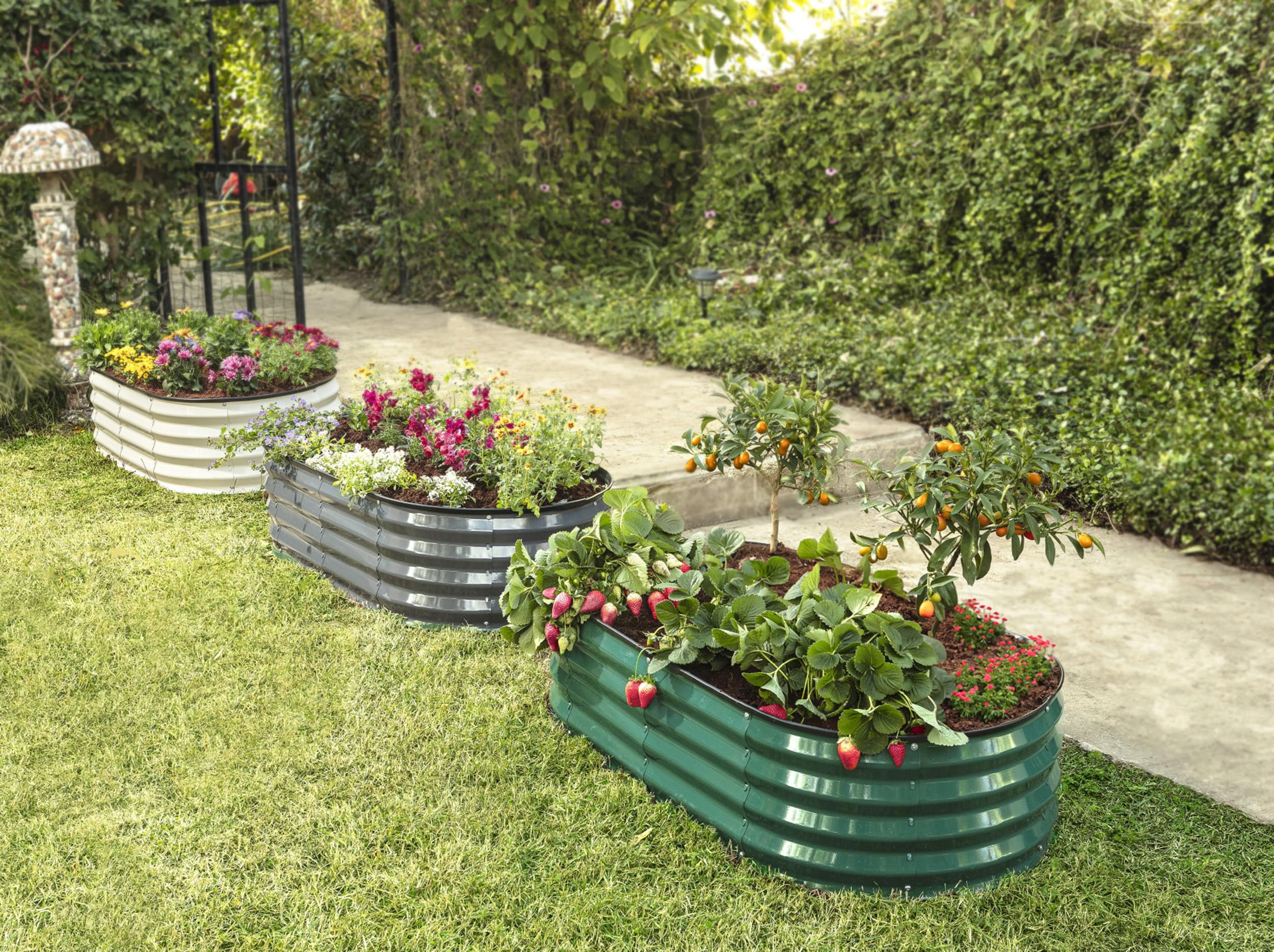



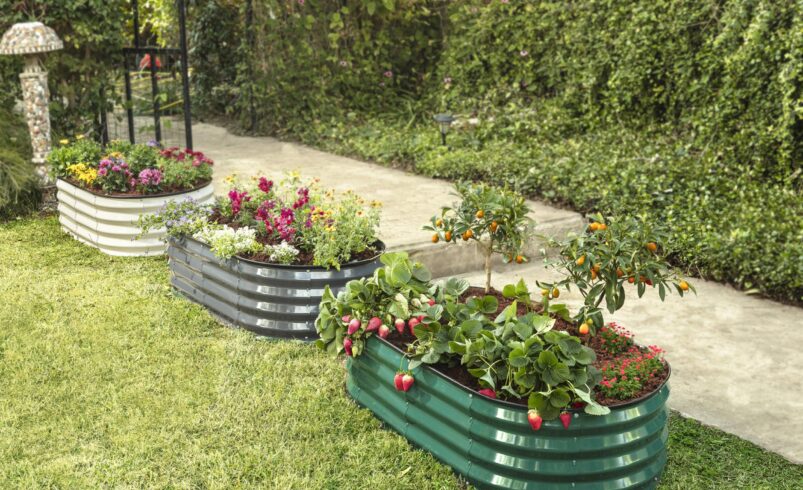

Deep-root crops grow best when they have room to stretch downward without hitting hard layers or compacted soil. Carrots, potatoes, and parsnips all rely on steady moisture, loose soil, and consistent depth to form smooth, healthy roots. A metal raised garden bed is a great place to grow them because you can control every soil layer from the bottom to the top. With the right setup, these crops grow straight, strong, and full, even in yards with rocky or clay-heavy ground.
If you also grow herbs in a separate system, such as a vertical herb garden, it’s helpful to understand the soil structure for each type of plant.
Here’s how to build the best soil foundation for deep-root crops inside a raised bed.
Start by Choosing the Right Bed Depth
The depth of your metal raised garden bed decides which crops will thrive. Deep-root vegetables need enough space to grow downward without hitting a dense layer that forces them to twist or split.
Ideal soil depths:
● Carrots: 10–12 inches for shorter varieties, 12–18 inches for long varieties
● Parsnips: 12–18 inches
● Potatoes: 10–12 inches of loose soil plus room for hilling
A bed at least 15–17 inches deep gives you flexibility. You can grow almost any deep-root crop without worrying about roots curling or becoming stunted.
Build a Strong Foundation Layer
The bottom of the bed supports everything above it, so it must drain well. Use chunky materials at the base to prevent water from pooling.
Good options include:
● Small branches
● Coarse wood chips
● Dry leaves
● Small pieces of bark
This base layer should be 3–4 inches deep. It creates pockets of air that let excess water move downward. When the bed drains well, roots stay healthy and don’t rot.
This idea also relates to systems like a vertical herb garden, where airflow and drainage matter just as much for shallow-root herbs.
Add a Middle Layer for Moisture Balance
Above the base layer, add a blend of partially broken-down organic material. This layer makes the soil hold moisture without becoming muddy.
Use a mix such as:
● Aged compost
● Shredded leaves
● Coconut coir
● A small amount of topsoil
This 4–6-inch section provides root crops with a soft environment to grow in before they reach the main planting layer. It also attracts earthworms and improves overall soil structure as it breaks down.
Finish With a Loose, Deep Top Layer
The top 8–12 inches of your metal raised garden bed should consist of the softest, loosest soil in the entire bed. This is where the long roots will develop. The soil must be crumbly, light, and easy to dig into.
Use a blend of:
● High-quality compost
● Screened topsoil
● Perlite or coarse sand for airflow
● Coconut coir for moisture balance
Avoid heavy clay or dense garden soil in this top layer. If the soil is too tight, carrots and parsnips will fork and twist.
For Potatoes: Plan for Hilling
Potatoes grow upward as they develop, so they need extra soil during the season. Plant seed potatoes in the lower half of the soil layer, then add more soil or compost as the stems grow taller. This keeps the forming potatoes covered and protected from sunlight, which prevents greening.
A deep metal raised garden bed gives you enough vertical room to hill potatoes comfortably.
Keep Moisture Stable but Not Wet
Deep-root crops need soil that stays damp at root depth but never waterlogged. Mulch helps maintain this balance.
Good mulches:
● Straw
● Shredded leaves
● Grass clippings (thin layer only)
Spread mulch to a depth of 1–2 inches. It keeps the topsoil soft and helps roots grow downward in a steady line without hitting dry patches.
Conclusion
Deep-root crops grow best in soil that gives them space, softness, and steady moisture. When you carefully build layers inside a metal raised garden bed, you control every part of that environment. With a deep, loose top layer and a well-draining foundation, carrots grow straight, parsnips develop fully, and potatoes form strong tubers. And while root crops need this deeper setup, other systems, like a vertical herb garden, show how different soil depths fit different plants. With the right structure, your garden becomes easier to manage and more productive year after year.