






Running a small poultry farm is a profitable venture, whether it’s at a backyard scale or commercial. When you buy a chicken, you’re not just buying one animal; you’re investing in future eggs. Aside from providing steady protein for your family, eggs bring in extra income through local sales. Chickens, ducks, and other farmfowl also help with pest control, produce manure for gardens, and fit well into sustainable farming systems.
The more healthy birds you have, the more eggs you collect, and the more value your farm produces over time. So when birds stop laying, that benefit disappears, but the costs don’t. Feed still has to be bought, water still needs to be supplied, and time and labor are still required every day. Empty nesting boxes mean the farm is spending money without earning it back.
Once you understand what affects egg production, you can take simple steps to get your birds back on track using practical animal health solutions. Below are seven of the most common reasons chickens and other farmfowl stop laying eggs, along with what you can do about each one.
1. Poor Nutrition
Egg production requires a lot of energy, protein, calcium, and vitamins. If your birds aren’t getting the right balance, laying will slow down or stop completely.
Many beginner farmers rely too heavily on scratch grains or table scraps. While birds love these treats, they don’t provide enough nutrients to support consistent egg laying.
What helps:
-
Feed a quality layer feed with at least 16–18% protein for chickens.
-
Provide free-choice calcium, such as crushed oyster shell.
-
Limit treats to no more than 10% of their daily intake.
-
Make sure ducks and other farmfowl have species-appropriate feed.
Good nutrition is one of the most effective animal health solutions for improving egg production.
2. Insufficient Daylight

Chickens need light to lay eggs. Specifically, they require about 14 to 16 hours of daylight each day to maintain steady production.
During fall and winter, shorter days naturally cause birds to slow down or stop laying. This is normal and not a sign of illness.
What helps:
-
Accept seasonal slowdowns if you prefer a natural approach.
-
Use a low-wattage coop light on a timer to extend daylight hours.
-
Turn lights on in the early morning rather than late at night to reduce stress.
Even a small increase in consistent light can make a noticeable difference.
3. Age of the Birds
Age plays a bigger role in egg production than many new farmers realize. Young birds won’t lay eggs until they reach full maturity, no matter how well they’re fed or cared for. On the other end, most chickens lay most consistently during their first two years, after which production naturally slows. Older hens may lay fewer eggs or stop altogether. Ducks and other farmfowl follow similar patterns, though the timing varies by species and breed. These changes are a normal part of a bird’s life cycle.
What helps:
-
Be patient with young birds.
-
Keep realistic expectations for older hens.
-
Maintain a mixed-age flock so egg production stays steadier over time.
Age-related changes are natural and can’t be “fixed,” but good animal health solutions can help birds stay productive longer.
4. Stress and Environmental Changes
Farmfowl are creatures of habit, and even small changes to their environment can disrupt egg laying almost overnight. Stress signals the body to focus on survival rather than reproduction. Common stressors include predator pressure, moving to a new coop, introducing new birds, loud noises or frequent handling, and extreme heat or cold. When stress levels stay high, egg production often drops or stops completely.
What helps:
-
Secure coops against predators.
-
Introduce new birds slowly.
-
Provide shade and ventilation in summer.
-
Keep routines consistent whenever possible.
Reducing stress often leads to eggs returning without any other intervention.
5. Molting
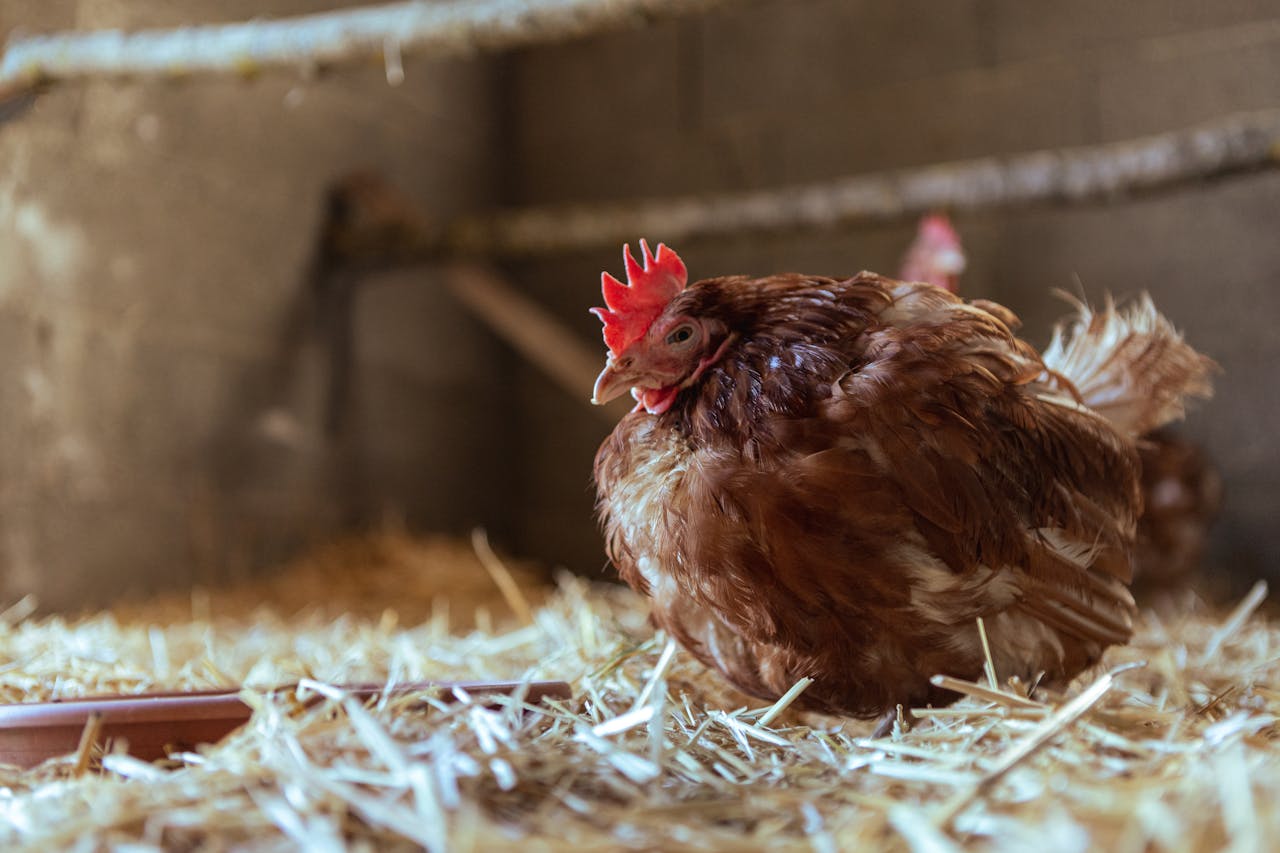
Molting is the natural process of shedding old feathers and growing new ones. It usually happens once a year and can last several weeks. During this time, egg production slows or stops because the bird’s body redirects nutrients toward feather growth instead of laying eggs. Molting can look rough, but it’s temporary and necessary for long-term health.
What helps:
-
Increase protein slightly during molting.
-
Avoid unnecessary stress or handling.
-
Be patient and let the process run its course.
Once molting is over, healthy birds usually resume laying.
6. Health Issues and Parasites

Health problems can quietly reduce egg production long before obvious symptoms appear. Internal parasites, external mites, and common illnesses drain nutrients and energy that would otherwise go toward egg laying. Warning signs may include weight loss, pale combs, dirty feathers around the vent, lethargy, or a reduced appetite.
What helps:
-
Perform regular health checks.
-
Keep coops clean and dry.
-
Use proven animal health solutions such as dewormers or mite treatments when needed.
-
Isolate sick birds promptly.
Healthy birds lay better eggs, plain and simple.
7. Lack of Clean Water
Water is often overlooked, but it’s essential for egg production. Eggs are mostly water, and even short periods without access can cause birds to stop laying. Dirty, frozen, or hard-to-reach water can have the same effect as no water at all. Ducks are especially sensitive since they need water deep enough to submerge their bills.
What helps:
-
Provide fresh, clean water at all times.
-
Check waterers daily, especially in hot or freezing weather.
-
Make sure ducks have enough water to submerge their bills.
Consistent water access is one of the easiest animal health solutions you can implement.
Don’t Let Empty Nests Bring You Down
Your birds aren’t just a farm asset. They’re part of your daily life, and each egg is a little reward for the care you give. When laying slows, it can feel discouraging, but most problems are fixable with attention, patience, and the right animal health solutions.
Keep your birds healthy, well-fed, hydrated, and stress-free, and you’ll turn those empty boxes back into a steady flow of eggs. Healthy flocks mean consistent production, reliable income, and the satisfaction of a farm that truly pays off.
Author Bio: Carmina Natividad is a daytime writer for Abbey Labs, an Australian company that offers reliable animal health solutions to support the well-being of pets and livestock. She loves creating easy-to-read content about animal care, veterinary tips, and the latest solutions that help animals live healthier lives.