





Starting or growing a bakery? Before even curating your menu or finding the right suppliers for your business, there is one important decision you must make: defining your bread philosophy.
Do you envision your bakery as a purveyor of traditional, hand-crafted loaves that celebrate time-honored methods? Or do you see yourself running a high-volume operation that leverages modern techniques to produce consistent bread at scale?
Understanding the difference between artisan and commercial bread is essential to aligning your business model with your vision.
Artisan Bread: Crafting Flavor and Character
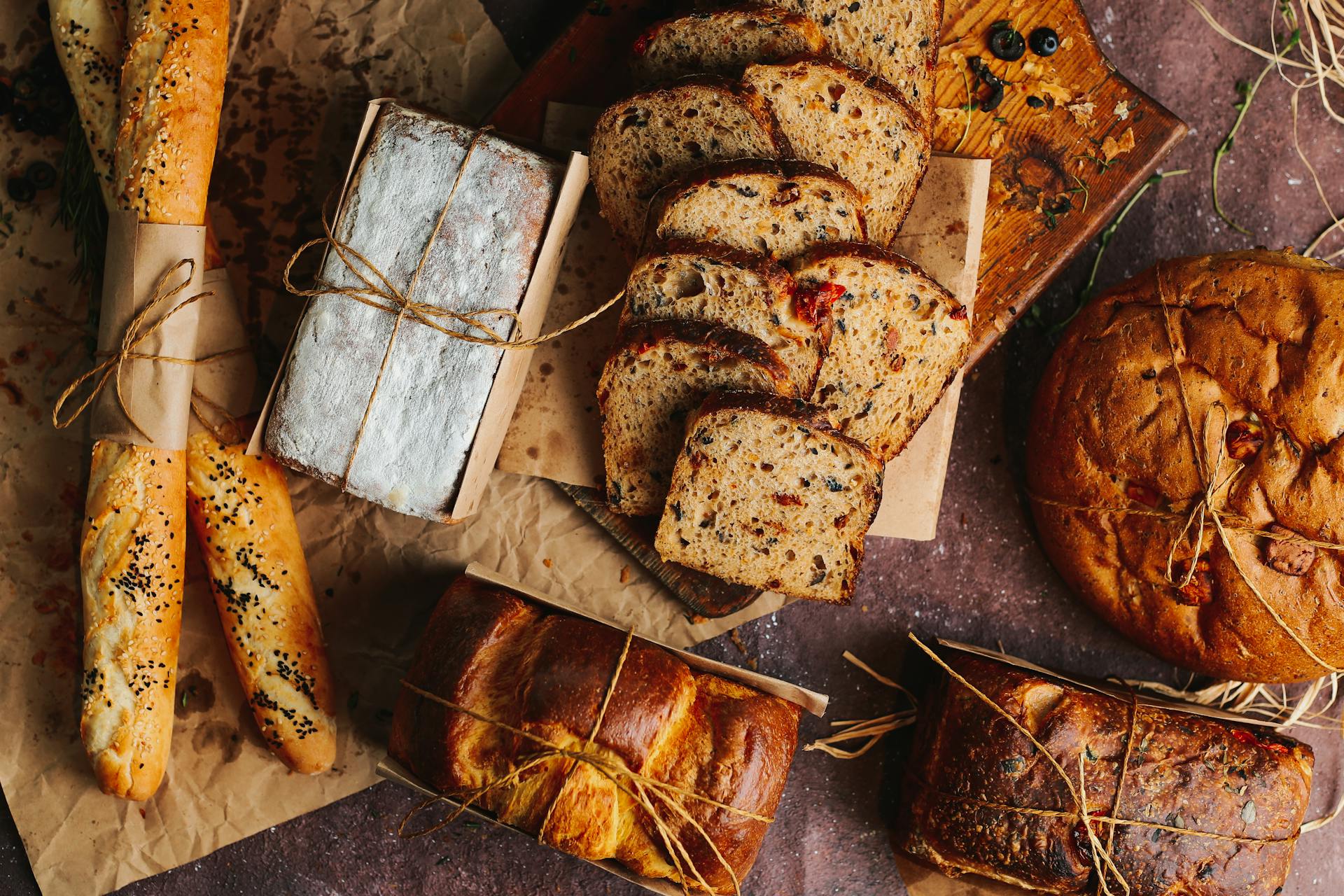
Artisan bread is defined not just by its appearance, but by its process. These breads are typically handcrafted, often using slow fermentation methods like long, cold rises. The focus is on quality, flavor complexity, and texture. Sourdoughs, rustic country loaves, and focaccias are prime examples of artisan products that rely on natural fermentation rather than industrial shortcuts.
Key characteristics of artisan bread include:
-
Flavor depth: Long fermentation allows natural sugars to develop, creating nuanced flavors that can’t be replicated with speed.
-
Texture variety: Crusts can be crisp, chewy, or tender, depending on the technique and hydration.
-
Limited additives: Most artisan bakers avoid commercial enhancers like bread improvers, instead depending on careful ingredient selection and skillful fermentation.
For bakery owners, artisan bread often represents a brand promise: high-quality, authentic products that tell a story. Customers are willing to pay a premium for the flavor, texture, and craft involved.
Commercial Bread: Consistency and Efficiency at Scale

Commercial bread is designed for efficiency, consistency, and scalability. It caters to large customer bases, supermarkets, or chains where speed and predictability are critical.
In this context, bread improvers play a pivotal role. These ingredient blends often contain enzymes, emulsifiers, or oxidizing agents that enhance dough performance, improve shelf life, and ensure uniform texture across batches.
Other hallmarks of commercial bread include:
-
Consistency: Every loaf looks and tastes nearly identical, regardless of production volume.
-
Speed: Short fermentation times and mechanized processes allow for rapid production.
-
Extended shelf life: Additives like bread improvers help keep the bread soft, fresh, and resistant to staling for longer periods.
For bakery owners, commercial baking offers operational predictability and the potential for higher profit margins, but often at the cost of artisan qualities such as deep flavor and complex texture.
Artisan VS Commercial: Key Factors to Consider When Choosing Your Path
When deciding between artisan and commercial bread, there are several considerations:
1. Your Vision and Brand Identity
Do you want your bakery to be known for handcrafted, specialty loaves, or for reliable, high-volume bread that appeals to a wide audience? Your vision will dictate the tools and techniques you adopt.
2. Production Capacity
Artisan methods require more hands-on time and often slower processes. If your bakery has limited staff or space, high-touch methods may not be feasible. Commercial methods, enhanced by bread improvers, allow for faster production and easier scaling.
3. Customer Expectations
Understanding your target market is key. Some customers are drawn to the story and flavor of artisan bread, while others prioritize convenience and price.
4. Ingredient Philosophy
Artisan bakers often pride themselves on simplicity and transparency, avoiding commercial additives whenever possible. Commercial bakers, by contrast, may use bread improvers to stabilize dough, maintain texture, and optimize yield. Knowing how you feel about additives will influence your operational decisions.
5. Skill Requirements
Artisan bread requires a deep understanding of fermentation, hydration, and baking techniques. Commercial bread may rely more heavily on machinery and consistent ingredient formulations, making it more accessible for new bakers with less hands-on experience.
Striking a Balance

It’s worth noting that the lines between artisan and commercial bread aren’t always rigid. Some successful bakeries combine elements of both approaches.
For instance, a bakery might use artisan fermentation techniques while selectively incorporating small amounts of bread improvers to achieve consistency in certain products or to extend shelf life for wholesale orders.
This hybrid approach can allow you to maintain a craft identity while keeping operations manageable.
Making Your Decision
Ultimately, the choice between artisan and commercial bread comes down to your personal vision and business goals. Ask yourself:
-
Do I want to create a boutique experience with high-quality, small-batch loaves, or a high-volume operation with predictable results?
-
Am I comfortable relying on natural fermentation alone, or am I open to using bread improvers to enhance dough performance?
-
What kind of customers do I want to attract, and what are their expectations for flavor, texture, and convenience?
Answering these questions will help you align your baking philosophy with your operational strategy.
From Sourdough to Sandwich Loaves: Finding Your Bakery Style
More than just a technical matter, understanding the differences between artisan and commercial bread is a business-defining choice for aspiring bakery owners. Artisan bread emphasizes craftsmanship, flavor, and slow, thoughtful processes, while commercial bread prioritizes efficiency, scalability, and consistency, often aided by bread improvers.
Both paths are valid; the key is choosing the one that aligns with your vision and values. Being clear about your priorities from the outset can help you design a bakery that not only produces excellent bread but also embodies the identity and experience you want to offer your customers.
Author Bio: Carmina Natividad is a resident writer for Mauri, a trusted name in baking supplies and ingredients across Australia and New Zealand. She enjoys sharing practical insights and inspiration to help bakers, from local artisans to large-scale producers, create consistently high-quality, delicious baked goods.