





Makki Ka Atta: A Traditional Flour for Modern Indian Kitchens
Indian kitchens have always relied on grains that suit local weather, eating habits and regional traditions. Among these grains, makki has maintained a strong place, especially in North Indian cuisine. Its earthy flavour, coarse texture and ability to create filling meals make it different from commonly used wheat flour.
Makki ka atta is prepared by grinding dried maize grains into flour. It is widely used during winter, but its nutritional value and versatility make it suitable for meals throughout the year. It can be used to prepare traditional rotis, bhakri, porridge, snacks and several gluten-free recipes.
As more people look for less processed and traditional food choices, maize flour is once again becoming a regular part of Indian households.
What Is Makki Ka Atta?
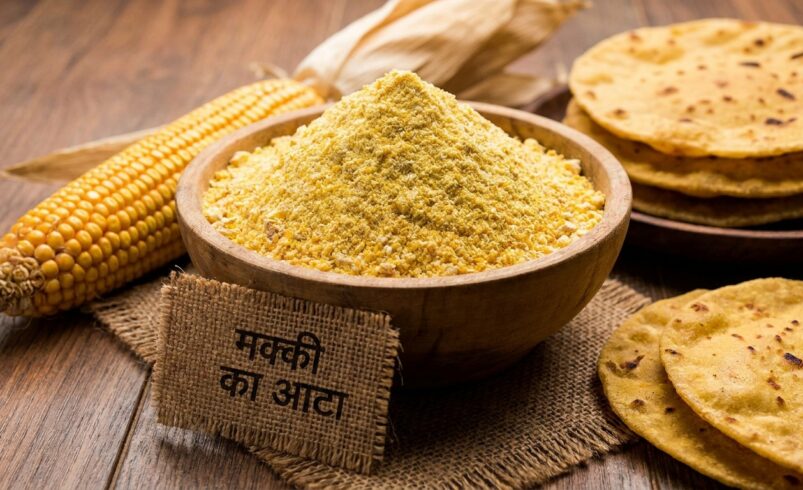
Makki ka atta is a flour made from dried maize or corn kernels. It usually has a yellow colour, slightly coarse texture and mild natural sweetness.
It is different from cornflour, which is generally a fine white starch extracted from corn. Makki flour is made by grinding the whole maize grain, which helps retain its natural fibre and nutrients.
The flour does not contain gluten naturally. However, people with celiac disease or severe gluten sensitivity should check whether it has been processed in a gluten-free facility.
Nutritional Value of Makki Ka Atta
Maize flour provides several nutrients that can contribute to a balanced diet. It mainly contains complex carbohydrates and also offers dietary fibre, plant-based protein, vitamins and minerals.
Common nutrients found in maize flour include:
- Complex carbohydrates
- Dietary fibre
- Plant-based protein
- Magnesium
- Phosphorus
- Potassium
- Iron
- B vitamins
- Natural carotenoids
Its carbohydrate content makes it an energy-rich flour, while its fibre supports digestion and helps make meals more satisfying.
Health Benefits of Makki Ka Atta
1. Naturally Gluten-Free
One of the main benefits of makki ka atta is that maize does not naturally contain gluten. It can be used as an alternative to wheat flour by people following a gluten-free diet.
However, individuals with celiac disease should ensure that the product has not come into contact with wheat during grinding, packaging or storage.
2. Supports Digestive Health
The fibre present in maize flour supports regular bowel movements and helps maintain normal digestive function.
A fibre-rich meal can also provide better satisfaction than meals prepared with highly refined flour. Adequate water intake should be maintained when increasing dietary fibre.
3. Provides Steady Energy
Makki ka atta contains complex carbohydrates that supply energy to the body. This makes maize-based meals suitable for active individuals, working professionals and people involved in physically demanding activities.
Pairing makki roti with vegetables, curd, dal or paneer can make the meal more balanced.
4. Helps Improve Grain Variety
Many Indian households depend mainly on wheat and rice. Including maize, jowar, bajra and ragi can improve grain diversity in everyday meals.
Different grains provide different nutrients, flavours and textures. Rotating them can make meals more interesting and nutritionally varied.
5. Contains Natural Antioxidants
Yellow maize contains natural plant compounds such as lutein and zeaxanthin. These carotenoids are commonly associated with eye health when consumed as part of a balanced diet.
6. Suitable for Filling Meals
Makki-based meals are generally dense and satisfying. The combination of carbohydrates and fibre can help make traditional dishes filling.
Portion size and accompaniments still matter, especially for people managing their calorie or carbohydrate intake.
Traditional Uses of Makki Ka Atta
Makki ki roti is the most popular dish prepared using maize flour. It is especially common in Punjab, Haryana, Rajasthan, Uttar Pradesh and parts of Himachal Pradesh.
It is traditionally served with sarson ka saag, butter, curd, jaggery or seasonal vegetables.
Other uses of maize flour include:
- Makki ki roti
- Maize bhakri
- Porridge
- Savoury pancakes
- Traditional snacks
- Baked dishes
- Soup thickening
- Gluten-free flatbreads
- Rustic bread recipes
Its coarse texture and mild sweetness give recipes a distinctive taste.
Why Makki Ki Roti Is Popular During Winter
Makki ki roti is commonly eaten during colder months because it creates a filling and comforting meal. It is often combined with mustard greens, seasonal vegetables and healthy fats.
Winter is also the traditional harvesting season for maize in several regions. This seasonal availability helped make maize-based dishes a part of regional food culture.
Although it is strongly associated with winter, makki ka atta can be used throughout the year when stored properly.
Is Makki Ka Atta Better Than Wheat Flour?
Makki and wheat flour have different nutritional and cooking properties.
Wheat flour contains gluten, which makes the dough soft and elastic. Maize flour does not contain gluten, so its dough can be more difficult to roll.
Maize flour is useful for people seeking gluten-free grain options, while whole wheat flour may provide a different balance of protein, fibre and minerals.
Neither flour needs to completely replace the other for people who can tolerate both. Using different grains across the week can provide better dietary variety.
Is Makki Ka Atta Good for Weight Management?
Makki ka atta can be included in a weight-management diet when portion sizes are controlled. Its fibre content can help make meals satisfying, but it is still an energy-rich flour.
The overall meal determines whether it supports weight goals. Makki roti can be paired with vegetables, dal, curd or lean protein instead of excessive butter or oil.
Cooking method, portion size and total daily calorie intake remain important.
Can People with Diabetes Eat Makki Ka Atta?
People with diabetes may include maize flour in controlled portions, depending on their individual health needs and meal plan.
Since maize contains carbohydrates, portion control is necessary. Combining it with fibre-rich vegetables, protein and healthy fats may help create a more balanced meal.
People managing diabetes should monitor their blood sugar response and follow advice from a qualified healthcare professional.
Is Makki Ka Atta Suitable for Children?
Children can eat maize flour as part of a varied diet. It provides energy and can be used in rotis, porridge, pancakes and other simple recipes.
For young children, the flour should be cooked properly and served in a soft, easy-to-chew form. It can be combined with vegetables, dairy products or protein-rich foods to improve the meal’s nutritional balance.
Is Makki Ka Atta Suitable for Older Adults?
Older adults can also include maize flour in their meals, provided they do not have dietary restrictions.
Soft makki roti, porridge or mixed-grain preparations may be easier to consume. Adequate hydration and balanced accompaniments are important because maize flour contains fibre and can be dense.
How to Make Makki Ka Atta Dough Easier to Handle
Since maize flour does not contain gluten, the dough does not stretch like wheat dough. It may crack while shaping.
The following tips can make preparation easier:
- Use warm water for kneading.
- Add water gradually.
- Allow the dough to rest briefly.
- Shape the roti between sheets or with wet hands.
- Add a small amount of wheat flour if gluten-free preparation is not required.
- Cook on a properly heated tawa.
Fresh flour generally absorbs water more evenly and gives better flavour.
How to Choose Good-Quality Makki Ka Atta
Good-quality flour should have a natural maize aroma, consistent texture and fresh appearance.
Check for the following qualities:
- Fresh milling
- Clean maize grains
- No artificial colour
- No preservatives
- No chemical additives
- Properly sealed packaging
- Clear manufacturing information
- Natural yellow colour
- No stale or unusual smell
Flour that has been stored for too long may lose its aroma and develop an unpleasant taste.
Why Stone-Ground Makki Flour Is Preferred
Traditional stone grinding produces flour with a slightly coarse texture and authentic taste. It can help retain the natural character of the whole maize grain.
Freshly stone-ground flour is often preferred for makki ki roti because it provides better aroma, texture and flavour than heavily refined alternatives.
The quality of the maize, milling process and storage conditions all affect the final product.
How to Store Makki Ka Atta
Maize flour contains natural oils, so proper storage is important.
Follow these storage tips:
- Store it in an airtight container.
- Keep it away from moisture.
- Place it in a cool and dry area.
- Avoid direct sunlight.
- Always use a clean, dry spoon.
- Refrigerate it during humid weather.
- Avoid storing it near strong-smelling foods.
- Consume freshly milled flour within a reasonable period.
Discard the flour if it develops insects, mould, bitterness or an unusual smell.
Can Makki Ka Atta Be Used Daily?
Makki ka atta can be included regularly as part of a varied diet. However, depending entirely on one grain may limit nutritional variety.
A balanced eating pattern can include maize alongside wheat, rice, jowar, bajra, ragi, pulses, vegetables, fruits and protein-rich foods.
People with specific health conditions should follow personalised dietary advice.
Conclusion
Makki ka atta is a traditional Indian flour known for its earthy flavour, coarse texture and naturally gluten-free composition. It provides complex carbohydrates, fibre and several useful nutrients while supporting greater grain variety in everyday meals.
It can be used for makki ki roti, bhakri, porridge, snacks and modern gluten-free recipes. Choosing fresh, properly processed flour and storing it carefully can help preserve its natural taste and quality.
10on10Foods offers freshly stone-milled Makki Atta prepared without unnecessary preservatives, chemicals or artificial additives, making it a suitable option for traditional and everyday cooking.
Frequently Asked Questions
Is makki ka atta gluten-free?
Pure maize flour is naturally gluten-free. However, people with celiac disease should check for possible cross-contamination during processing.
What is the difference between makki ka atta and cornflour?
Makki flour is made by grinding dried maize grains, while cornflour commonly refers to refined corn starch used for thickening sauces and soups.
Can makki ka atta be eaten every day?
It can be included regularly as part of a balanced diet, but rotating different grains may provide better nutritional variety.
Is makki ka atta good for digestion?
It contains dietary fibre, which can support normal digestion and bowel regularity when consumed with enough water.
Can makki ka atta be used for weight loss?
It can be included in a calorie-controlled diet. Portion size, cooking method and the foods served with it are important.
How should makki ka atta be stored?
Store it in an airtight container in a cool, dry place away from moisture and direct sunlight.
Which dishes can be prepared with makki ka atta?
It can be used for makki ki roti, bhakri, porridge, savoury pancakes, snacks, baked dishes and gluten-free flatbreads.