






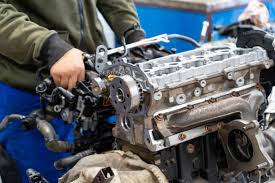
Your clutch allows smooth gear changes and efficient power transfer from the engine to the wheels. Over time, the clutch wears down. Ignoring a worn clutch can lead to poor performance, higher fuel consumption, and costly transmission damage.
Professional clutch replacement ensures that your vehicle continues to operate safely and efficiently.
Signs Your Clutch Is Worn
- Slipping gears or difficulty staying in gear
- Spongy or stiff clutch pedal
- Unusual noises while pressing the clutch
- Burning smell from clutch overheating
- Poor acceleration despite engine revving normally
If any of these symptoms appear, it’s important to have your clutch inspected immediately.
How Worn Clutches Affect Driving
A failing clutch can make driving unpredictable. Gear changes may be jerky or delayed. Power delivery to the wheels may be inconsistent. Ignoring a worn clutch can also increase stress on the transmission and engine.
Clutch Replacement Process
During a clutch replacement, mechanics remove the old clutch, inspect associated components like the flywheel and release bearing, and install a new clutch assembly. After installation, the system is adjusted to ensure proper engagement and smooth operation.
Benefits of Timely Clutch Replacement
- Restores smooth gear shifting
- Protects transmission and engine
- Improves acceleration and fuel efficiency
- Prevents breakdowns and unexpected stalling
Replacing the clutch before total failure reduces repair costs and extends vehicle lifespan.
Final Thoughts
A clutch is crucial for safe and efficient driving. If you notice slipping, unusual noises, or pedal issues, scheduling professional clutch replacement can prevent further damage and keep your vehicle running reliably.
9. Transmission Repair Guest Post
SEO Title: When to Consider Transmission Repair for Your Car
Meta Description: Transmission issues can lead to costly repairs. Learn signs, causes, and why professional repair keeps your vehicle running smoothly.
When to Consider Transmission Repair for Your Car
The transmission controls how power is delivered from your engine to the wheels. Problems with the transmission affect acceleration, gear shifting, and overall vehicle performance. Timely professional transmission repair can prevent small issues from turning into major, costly repairs.
Common Transmission Problems
- Delayed or rough gear shifts
- Strange noises such as whining or clunking
- Fluid leaks or low transmission fluid
- Warning lights on the dashboard
- Slipping gears or loss of power
Recognising these issues early is crucial to prevent further damage.
How Transmission Issues Affect Driving
Transmission problems reduce vehicle efficiency and may cause unsafe driving conditions. You may experience reduced acceleration, unexpected gear changes, or difficulty in handling. Ignoring these symptoms can lead to complete transmission failure.
Transmission Repair Process
Repair starts with a full inspection of the transmission system. Mechanics check fluid levels, filters, clutch or torque converter components, and internal gears. Repairs may involve replacing worn components, resealing leaks, or rebuilding the transmission.
Proper repair ensures smooth shifting, reliable power delivery, and longer transmission life.
Benefits of Professional Transmission Repair
- Restores smooth gear shifting and acceleration
- Protects the transmission from further damage
- Enhances fuel efficiency and vehicle reliability
- Avoids costly full transmission replacements
Timely attention to transmission problems ensures your vehicle operates safely and efficiently.
Final Thoughts
Transmission repair is vital for vehicle performance and longevity. If you notice slipping, noises, fluid leaks, or rough shifting, schedule a professional check immediately. Addressing issues early can save money and protect your car from severe damage.