





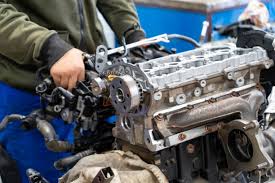
Engine fitting is a big step for any vehicle owner. It usually means the old engine is no longer reliable, too damaged to repair, or not worth rebuilding. In these cases, fitting another engine can help bring the vehicle back to working condition.
But engine fitting is not just about placing an engine under the bonnet. It requires the right engine, proper checks, correct installation, and careful testing.
When Is Engine Fitting Needed?
Engine fitting may be needed after major engine failure, severe overheating, oil starvation, timing belt failure, or internal damage. Some drivers choose engine fitting when repair costs become too high compared with replacing the engine.
It may also be useful for commercial vehicles where getting back on the road quickly matters. If the rest of the vehicle is in good shape, fitting a replacement engine can be more affordable than replacing the whole car or van.
Professional engine fitting solutions help make sure the replacement engine is fitted correctly and tested before the vehicle returns to the road.
Choosing the Right Engine
The replacement engine must match the vehicle properly. Engine code, fuel type, gearbox compatibility, sensors, wiring, mounts, and control units can all matter.
Using the wrong engine can lead to fitting problems, warning lights, poor performance, or even failure to start. This is why engine matching should be handled carefully before the work begins.
A good garage will check compatibility first and explain what is needed.
Why Professional Fitting Matters
Engine fitting involves many connected systems. The mechanic may need to remove the old engine, transfer parts, connect wiring, fit hoses, check mounts, refill fluids, and test the full system.
Small mistakes can cause major problems. A loose hose, wrong connection, poor mounting, or missed leak can affect performance and safety.
Professional fitting also helps protect the replacement engine. Correct oil, coolant, filters, belts, and checks can reduce the chance of early failure.
What Should Be Checked During Engine Fitting?
Before fitting, the replacement engine should be inspected for visible damage, leaks, timing condition, and general wear. After fitting, the vehicle should be tested for oil pressure, coolant flow, warning lights, idle quality, and road performance.
Related parts may also need replacement. These can include the clutch, timing belt, water pump, thermostat, spark plugs, filters, and gaskets. Replacing worn parts during engine fitting can save labour later.
Engine Fitting Can Save a Good Vehicle
Many cars are scrapped because of engine failure even when the body, interior, gearbox, and suspension are still good. Engine fitting can be a practical way to keep the vehicle useful.
This is especially true if the car is familiar, paid off, or used daily. Instead of taking a risk on another used vehicle, fitting an engine can give your current vehicle a fresh start.
Final Thoughts
Engine fitting is a major job that needs proper planning and skilled work. The right engine, correct installation, and careful testing all matter. If your vehicle has suffered major engine failure, professional fitting may be the best way to get it back on the road.
Done properly, it can save money, reduce stress, and extend the life of your car.