






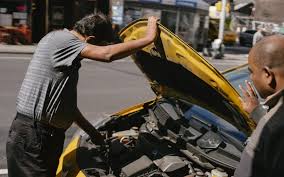
A weak car battery can ruin your day without much warning. One morning the car starts fine, then later it clicks, struggles or does nothing at all. Many drivers blame the weather, the starter motor or even the key, but the battery is often the first thing worth checking.
Your car battery does more than start the engine. It supports lights, dashboard systems, alarms, sensors and many other electrical parts. When it becomes weak, the whole car can feel unreliable. If you are dealing with slow starting or repeated power issues, booking a proper car battery replacement service can save you from being stranded at the worst time.
Why Car Batteries Fail
Car batteries do not last forever. Over time, they lose their ability to hold charge. Short journeys, cold mornings, long parking periods and heavy use of electrical features can make the problem worse.
In busy cities, many cars are used for short trips. The engine starts, runs for a few minutes and stops again. This does not always give the battery enough time to recharge fully. Over months, the battery becomes weaker.
Other causes include loose terminals, alternator faults, old wiring, leaving lights on, or using the radio and charging ports while the engine is off.
Common Signs of a Weak Battery
A failing battery usually gives some warning. You may notice that the engine turns over slowly. The dashboard lights may flicker. The car may start fine one day and struggle the next.
Other signs include:
- Clicking sound when you turn the key
- Dim headlights
- Electrical warning lights
- Car alarm behaving strangely
- Stop-start system not working
- Needing jump starts more often
If these signs appear, do not wait too long. A weak battery can fail completely without giving another chance.
Battery or Alternator: How Can You Tell?
Many drivers confuse battery problems with alternator problems. The battery gives the car starting power. The alternator charges the battery while the engine runs. If the alternator is faulty, even a new battery can lose charge.
This is why proper testing matters. A garage should check the battery health, charging output and cable connections before replacing anything. If the battery is old and not holding charge, replacement is sensible. If the alternator is the real issue, that needs attention too.
Do Not Depend on Jump Starts
A jump start can get the car moving, but it is not a real fix. If your battery is weak, a jump start only delays the problem. The car may start again once or twice, then fail when you need it most.
Repeated jump starts can also put stress on modern vehicle electronics if done incorrectly. It is better to test the battery and replace it when needed rather than hoping it will recover.
Choosing the Right Battery
Not every battery fits every car. Modern vehicles may need batteries with the right size, power rating and technology. Cars with stop-start systems often need AGM or EFB batteries. Fitting the wrong battery can lead to poor performance and warning messages.
A professional technician can match the correct battery to your vehicle. They can also fit it safely, secure the terminals and make sure the car’s electrical system is working as it should.
Why Quick Replacement Makes Sense
A battery problem is one of those faults that is easy to ignore until the car refuses to start. Replacing it early can save you from late arrivals, recovery costs and roadside stress.
It is especially important before winter, before long journeys, or if the battery is more than a few years old. If your car has been parked for long periods, a test is also a smart move.
Final Thoughts
Your car battery may be small compared with the engine, but it plays a big role in everyday reliability. Slow starts, dim lights and repeated jump starts are all signs worth taking seriously.
A quick check can tell you whether the battery is still healthy or ready for replacement. Acting early is cheaper, safer and far less stressful than waiting for a complete failure.