






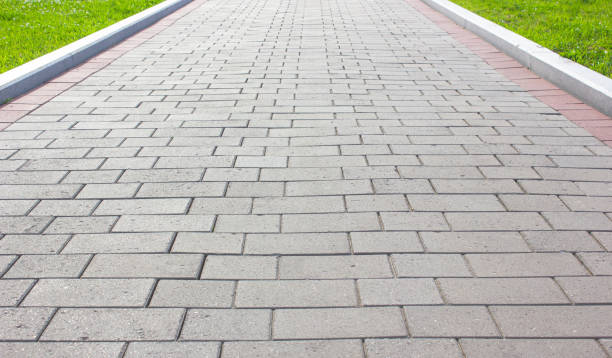
A driveway takes more punishment than almost any other surface around a home. Vehicles rolling over it daily. Rain soaking into it through winter. Frost working into any crack it can find. Oil dripping from an engine that runs a little rough. Whatever surface you choose has to handle all of that without turning into a patchy embarrassing mess within five years.
Block paving handles it better than most people expect. Not because it looks good on a show home in a brochure but because of how it actually behaves under load and weather and time. Understanding why takes a few minutes and it changes how you think about what a driveway surface needs to do.
Individual Units Mean the Surface Moves Without Breaking
Concrete slabs and tarmac are monolithic surfaces. They sit as one continuous piece and when ground movement or tree root pressure or thermal expansion pushes against them they crack. Once a crack appears in tarmac it grows. Water gets in and frost opens it wider and within a couple of winters a small crack becomes a strip of damage running across the whole drive.
Block paving works differently at a structural level. Each block is an individual unit bedded into a layer of sharp sand on top of a compacted sub-base. When ground movement happens the blocks shift slightly and redistribute the stress across multiple joints rather than concentrating it until something snaps. The surface flexes as a system rather than failing as a slab.
That flexibility is not a weakness. It is engineered into the design deliberately. It is why block paving driveways laid correctly still look good after twenty years while tarmac laid at the same time looks like a patched disaster.
The Sub-Base Is Where the Real Work Happens
Most people focus on the blocks they can see and pay less attention to what sits underneath them. That is understandable but it misses the point of why some block paving driveways last and others fail within a few years.
The sub-base is the foundation layer of compacted hardcore or mot type 1 aggregate that sits below the bedding sand. A driveway carrying regular vehicle weight needs a sub-base at least 100 millimetres deep for light domestic use and closer to 150 millimetres for anything heavier. Compact it properly with a plate compactor in multiple passes and it locks into a stable platform. Cut corners on depth or compaction and the blocks above will sink and rock and the surface will look uneven within a single winter.
Block Paving Swansea contractors who do this work properly spend more time on the sub-base than on the blocks themselves. That is the sign of someone who understands why the surface performs the way it does rather than someone who is just laying bricks quickly.
Water Management That Driveways Need to Handle
The planning regulations that came into effect in England in 2008 and apply similarly in Wales require that new driveways over five square metres use permeable surfacing or drain water to a suitable area rather than directing runoff straight to the street drain. Block paving can meet this requirement in two ways.
Permeable block paving uses blocks with slightly wider joints filled with angular gravel rather than kiln-dried sand. Water passes through those joints and into a permeable sub-base below where it drains away gradually. This approach works well in most residential settings and satisfies planning requirements without any additional drainage infrastructure.
Traditional close-jointed block paving can also comply if it drains to a planted area or soakaway rather than to the highway drain. A contractor who understands the regulations will advise which approach suits the specific site rather than defaulting to whichever is quicker to install.
Getting this wrong is not just a planning issue. A driveway that floods a neighbour’s property or contributes to local drain overloading creates liability that sits with the homeowner not the contractor.
The Repair Argument That Nobody Talks About Enough
Utility companies dig up driveways. Water pipes leak under them. Tree roots reach them. Inspection chambers sit beneath them. When something under the surface needs attention a block paving driveway handles it in a way that no other surface can match.
The blocks lift out individually. The work gets done. The blocks go back in. If any blocks are damaged during lifting replacements slot in from the same batch stored in a garage or shed. The repair is invisible.
Try that with tarmac. A patch of fresh tarmac sits darker than the surrounding surface for years. The colour never quite matches. The join between old and new material is visible from the street. If the damaged area is large the cost of a professional tarmac repair approaches the cost of relaying a significant portion of the driveway.
Block Paving Swansea installations that keep a small reserve of matching blocks from the original order give homeowners a repair option that genuinely works. A good contractor mentions this at the start of the job not as an afterthought.
Design Options That Tarmac and Concrete Cannot Offer
A block paving driveway is not just a parking surface. It is part of the front of a property and it affects how the whole house looks from the street. The range of design choices available with block paving goes well beyond what any other surfacing material allows.
Running bond patterns create a clean directional look that suits modern homes. Herringbone patterns at 45 or 90 degrees lock blocks together tightly and distribute vehicle load particularly well making them popular for driveways with regular heavy use. Basket weave and circular feature patterns create focal points around a central planting bed or inspection chamber cover.
Colour choices span natural grey through buff and red and charcoal and two-tone blends. Border courses in contrasting colours define the edge of the driveway and lift the whole appearance. Setts in a darker shade around a feature tree or light column give the design a structured quality that a single-colour surface cannot achieve.
None of those choices add significant cost when they are planned before the blocks are ordered. They add considerable appeal when the driveway is finished and that appeal translates into property value in a straightforward way.
How Swansea Weather Affects Surface Choice
South Wales gets weather that tests outdoor surfaces harder than much of the UK. Atlantic systems push rain off the Bristol Channel consistently. Frost arrives without much warning in the Brecon foothills and it reaches coastal Swansea more often than people remember from last winter.
Block paving handles freeze-thaw cycles better than most surfaces because the joints between blocks allow for slight movement without fracturing the surface. Concrete slabs absorb water through their surface texture and when that water freezes it expands into the concrete structure and eventually spalls the surface. Tarmac softens in sustained summer heat and can track under heavy vehicle loads parked in the same position repeatedly.
Block Paving Swansea installations using blocks manufactured to BS EN 1338 concrete paving block standards or equivalent clay paver standards carry a tested freeze-thaw resistance rating. That testing matters in a coastal Welsh climate where the conditions that damage inferior materials come around every year without fail.
The Maintenance Reality Over Ten and Twenty Years
One of the honest things worth saying about block paving is that it is not zero-maintenance. Joints need occasional topping up with kiln-dried sand as it weathers out over years. Weeds can establish in joints that have lost their sand and need treating before roots disturb the bedding layer below. Blocks that have sunk in a localised area need lifting and re-laying on additional bedding sand.
None of that maintenance is difficult or expensive. Topping up joints takes an afternoon and a bag of kiln-dried sand. Weed treatment is a seasonal task. Lifting and re-laying a sunken patch is work a competent contractor completes in a morning.
Compare that maintenance profile to tarmac which develops cracks that require professional repair or concrete which stains deeply and cannot be restored without aggressive acid washing. Block paving maintenance is accessible and the results are immediate and visible. You can see when the driveway needs attention and you can see when it has been sorted.
That transparency is underrated. A surface that tells you what it needs and responds visibly to care is easier to maintain well over twenty years than one that deteriorates in ways you cannot address yourself.
What a Good Installation Contract Should Cover
Before any block paving work starts a proper contract should confirm several things that protect the homeowner and establish what the contractor is actually committing to deliver. Sub-base depth and specification. Edging restraint type and how it will be fixed. Block specification including the standard they are manufactured to. Pattern and colour confirmed in writing. Drainage approach and how it meets planning requirements. What happens to spoil excavated from the site. Guarantee terms and what they cover.
A contractor who provides all of that in writing before the job starts is working transparently. One who gives a price verbally and starts work on a handshake is leaving the homeowner exposed if anything goes wrong during or after the installation.
Final Thoughts
Block paving works for driveways because it solves the problems that matter most over time. It flexes without fracturing. It drains without flooding. It repairs without patching. It looks better than the alternatives and it keeps looking better because maintenance is something a homeowner can actually manage.
The surface you choose for a driveway will outlast several cars. It will be the first thing visitors see when they arrive at your home. It will handle fifteen years of weather without anyone giving it much thought if it was laid correctly the first time. That is what makes block paving the right choice for driveways done properly by people who understand what the job actually involves.
Frequently Asked Questions
How long does a block paving driveway last?
A correctly installed block paving driveway on a proper compacted sub-base lasts 20 to 30 years and often longer. The blocks themselves are extremely durable. Most failures in block paving driveways trace back to inadequate sub-base preparation rather than problems with the blocks. A driveway that starts to sink or rock within the first few years almost always has a sub-base issue that was never properly addressed during installation.
Does block paving need planning permission?
In most cases replacing an existing driveway surface with permeable block paving does not require planning permission. If you are creating a new driveway or using non-permeable surfacing that directs water to the street drain you may need permission depending on your local authority. A reputable contractor will advise on the drainage approach required for your specific site and whether any notification to the local planning authority applies.
What is the best pattern for a driveway that takes heavy vehicles?
Herringbone at 45 degrees is widely regarded as the strongest pattern for vehicle-bearing surfaces. The interlocking geometry distributes load across multiple blocks and resists the creep and spreading that can affect running bond patterns under repeated heavy loading. For domestic driveways carrying standard cars any well-laid pattern on a proper sub-base performs well but herringbone gives the best long-term performance for heavier use.
How do I stop weeds growing through block paving?
Weeds establish in joints when the kiln-dried sand has weathered out and organic matter accumulates in the gap. Keeping joints topped up with fresh kiln-dried sand and treating any weed growth before it establishes a root system below the blocks prevents most weed problems. Polymeric jointing sand which bonds more firmly in the joint is an option for driveways where weed control is a priority though it is more expensive and less forgiving if any relaying is needed later.
Can block paving be laid over an existing concrete driveway?
It depends on the condition of the existing concrete and the available height at the threshold. If the concrete is structurally sound and the height works it can serve as part of the sub-base preparation. If it is cracked or has areas of failure laying over it will reproduce those failures in the new surface above. A good contractor assesses the existing surface honestly and advises whether removal is necessary rather than defaulting to the cheaper option of laying over regardless of condition.
How do I choose a reliable block paving contractor?
Ask for references from completed jobs you can visit rather than just photographs. Check that they provide a written specification before starting. Confirm they carry public liability insurance. Ask how they will handle the sub-base preparation and what depth they are specifying. A contractor who gives detailed answers to those questions and puts the specification in writing is operating transparently. One who gives vague answers or resists putting anything in writing is a risk worth avoiding regardless of price.