





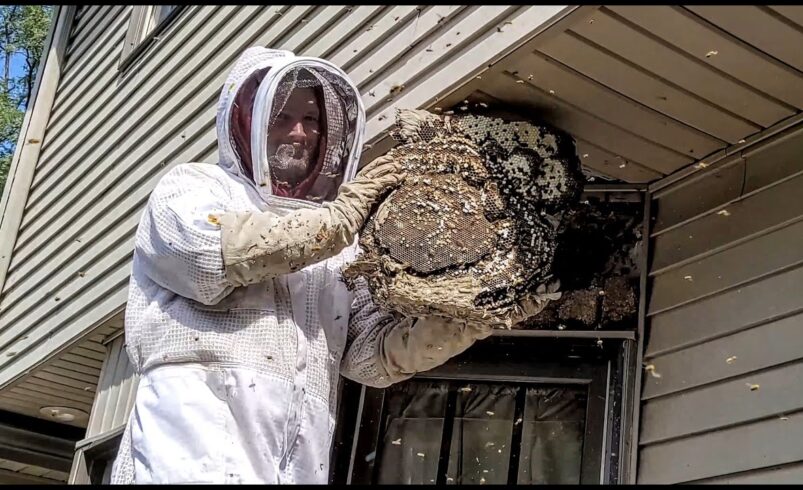

Bees play an essential role within natural ecosystems, supporting pollination and environmental balance across diverse landscapes. However, when they establish nests near homes or commercial properties, their repeated presence may create safety concerns. Many property owners feel confused when bees return after a hive has already been removed successfully. This recurring behavior often appears deliberate, yet it follows predictable biological and environmental patterns.
Understanding why bees revisit familiar locations empowers homeowners to implement preventative strategies effectively. Through informed planning, environmental adjustments, and professional guidance when necessary, recurring infestations can be reduced responsibly. This article explores the science behind return behavior and explains how to prevent bees from reoccupying previously used locations.
The Biological Reasons Bees Favor Old Nesting Sites
Bees demonstrate remarkable memory and navigational skills, allowing them to identify favorable environments reliably. When a colony establishes itself successfully, the location becomes imprinted within collective behavior patterns. Old nesting sites provide proven shelter, temperature stability, and proximity to resources, reinforcing their desirability. Even after removal, residual pheromones remain embedded within surfaces, signaling suitability to future swarms.
Worker bees communicate site preferences through chemical markers and movement patterns. These signals persist longer than many homeowners realize, especially within porous materials like wood or masonry. Consequently, returning bees interpret these markers as indicators of safety and viability. This biological programming explains why previously occupied locations often attract new colonies rapidly.
Additionally, bees prefer minimizing risk during relocation. Choosing familiar locations reduces exposure to predators and environmental uncertainty. From an evolutionary perspective, returning to old nesting sites represents efficiency rather than stubbornness. Recognizing these biological drivers clarifies why removal alone rarely guarantees permanent resolution without preventative measures.
Environmental Conditions That Reinforce Old Nesting Sites
Environmental consistency strongly influences whether bees revisit specific locations. Structural gaps, sheltered overhangs, and warm surfaces maintain favorable microclimates year after year. When these conditions remain unchanged, bees detect little reason to avoid returning. Old nesting sites often retain ideal airflow, moisture balance, and insulation characteristics attractive to colonies.
Landscaping features also contribute significantly to recurrence. Flowering plants, water sources, and protected garden areas nearby reinforce site suitability. Even subtle changes, such as increased shade or reduced human disturbance, may unintentionally encourage return behavior. Over time, these consistent environmental signals strengthen the appeal of old nesting sites.
Seasonal patterns further reinforce recurrence. During swarming periods, scout bees actively search for locations meeting specific criteria quickly. Previously successful locations satisfy these requirements efficiently, reducing decision-making effort. Without intervention, these conditions persist, increasing the likelihood of repeated occupation.
Why Standard Removal Alone Often Fails
Many property owners assume removing a hive eliminates the problem permanently. However, removal addresses only the visible colony rather than underlying attractants. Old nesting sites continue emitting chemical cues unless properly treated. Additionally, structural vulnerabilities often remain unsealed following removal, leaving entry points accessible.
Incomplete cleanup further complicates prevention efforts. Residual honeycomb, wax, or pheromones continue attracting bees long after removal. These remnants are difficult to detect without professional experience. As a result, bees return, sometimes within weeks, establishing new colonies in familiar spaces.
In cases involving recurring infestations, professional evaluation becomes critical. Consulting a bee removal service in Fountain Valley within broader prevention planning ensures thorough cleaning, site treatment, and structural reinforcement. This integrated approach addresses both immediate removal and long-term deterrence, reducing recurrence significantly without harming pollinators.
Preventing Old Nest Attraction
Preventing recurrence requires disrupting the environmental and chemical signals associated with old nesting sites. Thorough cleaning removes pheromones and organic residues effectively. Sealing gaps, cracks, and voids eliminates physical access points previously used. Applying appropriate surface treatments further neutralizes lingering attractants.
Material selection also influences future suitability. Replacing damaged wood, reinforcing insulation, and modifying surface textures reduces nesting appeal. Additionally, altering airflow and light exposure changes microclimate conditions bees favor. These adjustments make previously attractive locations less desirable without ecological harm.
Landscape management supports prevention efforts significantly. Relocating flowering plants away from structures reduces nearby forage availability. Managing water sources limits hydration access near buildings. Collectively, these actions diminish the overall attractiveness of old nesting sites, encouraging bees to seek safer, more appropriate habitats elsewhere.
Strategies for Keeping Bees Away Responsibly
Sustainable prevention emphasizes coexistence rather than eradication. Establishing designated pollinator zones away from buildings supports ecological balance while protecting structures. These areas provide alternative nesting opportunities, reducing pressure on residential spaces. Over time, bees naturally adapt their navigation patterns toward safer locations.
Routine inspections ensure preventative measures remain effective as properties age and environments evolve. Seasonal assessments identify emerging vulnerabilities before colonies establish. Education also plays a role, helping occupants recognize early warning signs and avoid behaviors inadvertently attracting bees.
Ultimately, understanding why bees return to old nesting sites transforms frustration into informed action. By addressing biological cues, environmental conditions, and structural vulnerabilities collectively, property owners achieve lasting results. Responsible prevention protects human safety while respecting the essential role bees play within ecosystems, ensuring harmony between built environments and nature.