






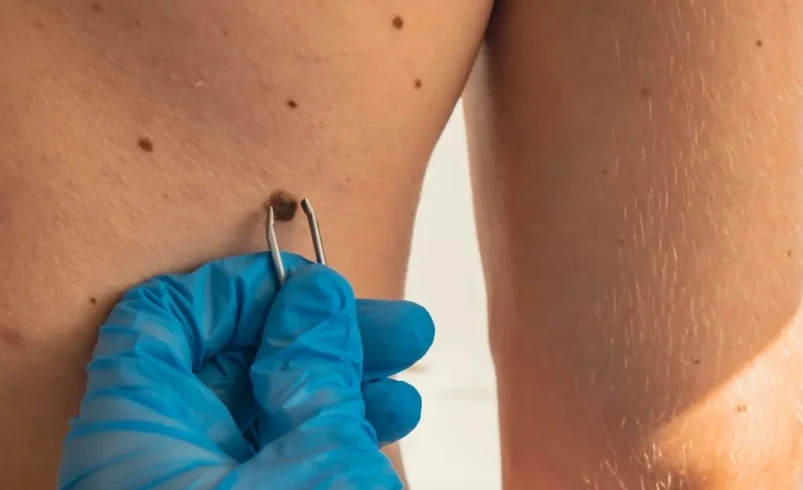

Skin tags are a common skin concern that many people notice as they appear on areas like the neck, armpits, and eyelids. While often harmless, a pressing question arises: Are Skin Tags Contagious? Understanding the causes, risks, and prevention methods can provide peace of mind and help maintain overall skin health. In this article, we explore the hidden reasons skin tags appear and what you should know about their transmission.
What Are Skin Tags?
Skin tags, medically referred to as acrochordons, are small, soft, benign growths on the skin. They are usually flesh-colored or slightly darker and may appear as tiny protrusions. Skin tags are generally painless and do not cause discomfort unless irritated by clothing or jewelry. Although harmless, they can be cosmetically concerning for many people, prompting questions about their causes and whether they are contagious.
Common Causes of Skin Tags
Understanding the formation of skin tags is crucial. Factors contributing to their appearance include:
-
Friction: Skin tags often develop in areas where skin rubs against skin or clothing.
-
Genetics: Family history can play a role in susceptibility to skin tags.
-
Hormonal Changes: Hormonal fluctuations during pregnancy or other life stages can increase the likelihood of skin tags.
-
Obesity: Higher body weight can increase friction in skin folds, leading to growths.
These factors highlight that skin tags are often linked to physiological and environmental triggers rather than infections.
Are Skin Tags Contagious? The Truth
One of the most common concerns is whether Are Skin Tags Contagious. According to dermatologists, skin tags are not contagious. They do not spread through skin-to-skin contact or by sharing personal items such as towels or clothing. Skin tags are growths of excess skin tissue, unlike warts, which are caused by a viral infection. Therefore, touching or coming into contact with someone’s skin tags will not result in your developing them.
Identifying Skin Tags vs. Other Skin Conditions
Misidentification is common, and some people confuse skin tags with other conditions such as:
-
Warts: Caused by the human papillomavirus (HPV) and can be contagious.
-
Moles: Pigmented skin growths that are usually harmless but not contagious.
-
Seborrheic Keratosis: Noncancerous skin lesions that appear similar to skin tags.
Correct identification is essential to understand whether a skin lesion could pose any risk of transmission. Consulting a dermatologist can provide clarity and appropriate care recommendations.
Risk Factors Linked to Skin Tags
Certain lifestyle and health conditions may increase the likelihood of skin tags. These include:
-
Diabetes: Insulin resistance can be associated with the development of skin tags.
-
Obesity: Excess skin folds contribute to friction, creating a favorable environment for skin tags.
-
Age: Skin tags are more prevalent in middle-aged and older adults.
-
Health and wellness: Maintaining a balanced lifestyle that prioritizes nutrition, exercise, and skin care may reduce skin tag formation over time.
Understanding these risk factors emphasizes that skin tags are more a result of internal and environmental factors rather than contagious pathogens.
How to Prevent Skin Tags
While it may not be possible to completely prevent skin tags, certain measures can reduce their occurrence:
-
Maintain Healthy Weight: Reducing excess weight can decrease friction on skin folds.
-
Wear Loose Clothing: Avoiding tight clothes can minimize skin irritation.
-
Skincare Routine: Gentle cleansing and moisturizing can help maintain healthy skin and reduce friction.
-
Monitor Hormonal Changes: Staying aware of hormonal shifts can help anticipate potential growths.
Preventive care does not guarantee that skin tags will never appear, but it can help minimize their number and size.
Treatment Options for Skin Tags
If skin tags are bothersome, various removal options are available, often under dermatological supervision:
-
Cryotherapy: Freezing the skin tag off using liquid nitrogen.
-
Excision: Cutting off the skin tag with a scalpel or surgical scissors.
-
Ligation: Tying off the skin tag to cut off blood flow, causing it to fall off.
-
Over-the-Counter Solutions: Topical products that aid in the removal of minor skin tags.
It is crucial not to attempt removal at home using sharp objects or unverified remedies, as this can lead to infection or scarring.
When to See a Dermatologist
While most skin tags are harmless, medical consultation is advised if:
-
A skin tag changes color or shape.
-
Growths become painful or bleed.
-
Skin tags are numerous or rapidly increasing in number.
-
There is uncertainty about whether the growth is a skin tag or another skin condition.
A dermatologist can provide accurate diagnosis, safe removal options, and advice on preventing recurrence.
Conclusion
In conclusion, Are Skin Tags Contagious is a question that many people ask due to the visible nature of these growths. Fortunately, skin tags are not contagious and result from factors such as friction, genetics, hormones, and lifestyle rather than infectious agents. Awareness of risk factors, preventive measures, and safe removal options can help individuals manage skin tags effectively while maintaining overall health and wellness. Remember, consulting a dermatologist ensures proper care and peace of mind when dealing with skin concerns.