


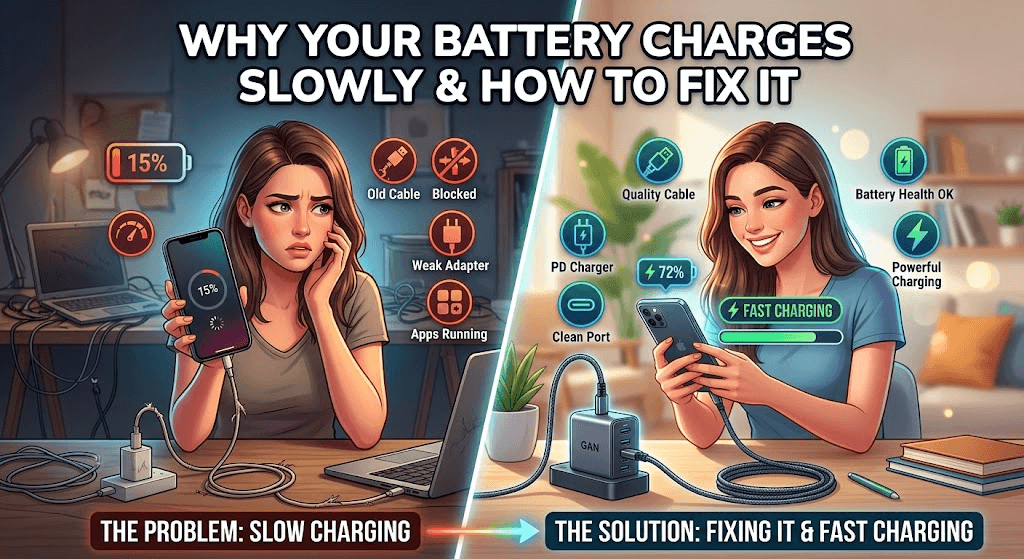



A battery that takes much longer than usual to charge can be frustrating, especially when you depend on your vehicle, phone, laptop, or another battery-powered device every day. Sometimes slow charging is caused by something simple, such as a weak charger or damaged cable. In other cases, the battery itself may be aging or there could be an issue with the charging system. Understanding the cause can help you avoid unnecessary replacements and prevent a minor problem from becoming a bigger one.
If you are dealing with a vehicle battery that seems to charge slowly, getting the right diagnosis is important. A reliable Battery Store Plano can help you determine whether the problem is related to the battery, charger, terminals, or charging system. Before replacing anything, it is worth checking a few common causes and trying some practical solutions.
What Does Slow Battery Charging Mean?
Slow charging means a battery takes significantly longer to reach its normal charge level than it typically should. The exact charging time depends on the battery type, its capacity, the charger being used, temperature, and the condition of the battery.
For example, a car battery may not appear to recharge properly after a short drive if it was deeply discharged. Similarly, a rechargeable electronic device may charge slowly when connected to an underpowered adapter.
It is important to distinguish between normal charging behavior and an actual problem. A large battery naturally requires more time to recharge than a small one. However, if charging suddenly becomes slower than it used to be, there is usually a reason worth investigating.
Common Reasons Your Battery Charges Slowly
1. The Battery Is Getting Old
Battery age is one of the most common causes of slow charging. As rechargeable batteries go through repeated charge and discharge cycles, their internal components gradually wear down.
An aging car battery may still accept some charge but struggle to hold it effectively. Likewise, rechargeable batteries in electronics can lose capacity over time.
If your battery is several years old and has started showing other warning signs, such as frequent power loss, difficulty starting a vehicle, or unusually short operating times, replacement may be more practical than continued charging.
2. The Charger Is Too Weak
Not every charger delivers the same amount of power. Using a charger that does not provide enough current can significantly increase charging time.
This can happen with phones, laptops, power tools, and other rechargeable equipment. In automotive situations, a charger that is not designed for the battery’s specifications may also produce unsatisfactory results.
Always check the manufacturer’s recommended charging requirements. Using the correct charger can make a noticeable difference.
3. A Damaged or Poor-Quality Cable
Sometimes the battery is perfectly healthy, but the cable is the problem. A damaged cable, loose connection, or poor-quality charging lead can restrict the amount of power reaching the battery.
Look for visible damage, bent connectors, exposed wires, or signs of overheating. If possible, test the battery with a known-good cable and compatible charger. If charging improves, you may have identified the problem without needing to replace the battery.
4. Dirty or Corroded Battery Terminals
For vehicle batteries, dirty or corroded terminals can interfere with the flow of electricity. Corrosion often appears as a white, bluish, or greenish buildup around the battery connections.
Poor connections can make charging less efficient and may also cause starting problems.
Before cleaning battery terminals, turn off the vehicle and follow appropriate safety precautions. Use proper battery-terminal cleaning equipment and avoid touching the terminals unnecessarily. If you are unsure how to handle corrosion safely, have the battery and connections inspected by a professional.
5. Extreme Temperatures
Temperature can have a significant effect on battery performance. Very cold conditions can slow chemical reactions inside many batteries, making charging and discharging less efficient. Excessive heat can also accelerate battery degradation and reduce its useful life.
If a battery is being charged in an extremely hot or cold environment, allow it to reach an appropriate operating temperature when possible. Avoid exposing batteries to unnecessary heat, particularly during charging.
For vehicle batteries, seasonal temperature changes can also reveal weaknesses that were not obvious under normal conditions.
6. The Charging System May Have a Problem
In a vehicle, the battery is only one part of the electrical system. The alternator is responsible for replenishing the battery while the engine is running. If the alternator is not working correctly, the battery may not receive enough power to recharge properly.
A damaged serpentine belt, faulty voltage regulator, poor electrical connection, or alternator problem can contribute to charging issues.
If your vehicle’s battery repeatedly loses power even after being charged, do not automatically assume the battery needs replacement. The charging system should also be tested.
How to Fix a Slowly Charging Battery
The best solution depends on what is causing the problem. Start by checking the simple possibilities before moving toward more expensive repairs.
First, make sure you are using the correct charger and cable. Replace damaged charging accessories rather than continuing to use them. If the problem occurs with a vehicle, inspect the battery terminals for corrosion and make sure the connections are secure.
Next, consider the battery’s age and recent performance. If it has been experiencing repeated problems, have it professionally tested. A battery test can help determine whether it still has enough capacity to perform reliably.
For automotive batteries, testing the alternator and charging system is equally important. A healthy replacement battery will not solve the problem if an underlying charging-system fault remains.
Can You Speed Up Battery Charging?
There are a few safe ways to improve charging efficiency, but you should never try to force a battery to charge faster than the manufacturer recommends.
Use the correct charger with the appropriate voltage and current specifications. Keep charging connections clean and secure, and avoid charging batteries in extreme temperatures.
For electronic devices, reducing power consumption while charging can also help. Closing demanding applications or turning off unnecessary features may allow the device to gain power more efficiently.
For vehicle batteries, using a suitable battery charger can be useful when the battery has been discharged. However, the charger must be compatible with the battery type and condition.
When Should You Replace the Battery?
Not every slow-charging battery needs to be replaced. A weak cable, poor connection, or faulty charging system can often be corrected without installing a new battery.
Replacement becomes more likely when the battery is old, repeatedly fails to hold a charge, has reduced capacity, or fails a professional battery test.
You should also take warning signs seriously. A swollen battery, leaking battery, cracked casing, strong unusual odor, or signs of overheating can indicate a potentially dangerous problem. Do not continue using or charging a visibly damaged battery. Seek professional assistance and follow appropriate battery-disposal procedures.
How to Prevent Slow Charging Problems
Regular maintenance can help extend battery life and reduce charging problems. Keep battery connections clean, use compatible charging equipment, and avoid allowing rechargeable batteries to remain completely discharged for extended periods when the manufacturer advises otherwise.
For vehicles, pay attention to warning signs such as slow engine cranking, dimming lights, electrical issues, or repeated jump-starts. These symptoms can indicate that the battery or charging system needs attention.
It is also useful to have an older vehicle battery tested before extreme weather arrives. Preventive testing can help identify a weak battery before it leaves you stranded.
Final Thoughts
A battery that charges slowly does not always mean the battery itself is failing. The charger, cable, electrical connections, temperature, battery age, and vehicle charging system can all play a role. The smartest approach is to identify the actual cause before spending money on replacement parts.
If you are unsure whether your battery needs charging, repair, testing, or replacement, professional guidance can save time and prevent unnecessary expenses. Battery Rescue can be a useful resource when you need help understanding battery problems and finding the right solution. With proper charging equipment, routine inspections, and timely maintenance, you can keep your battery working reliably for longer.